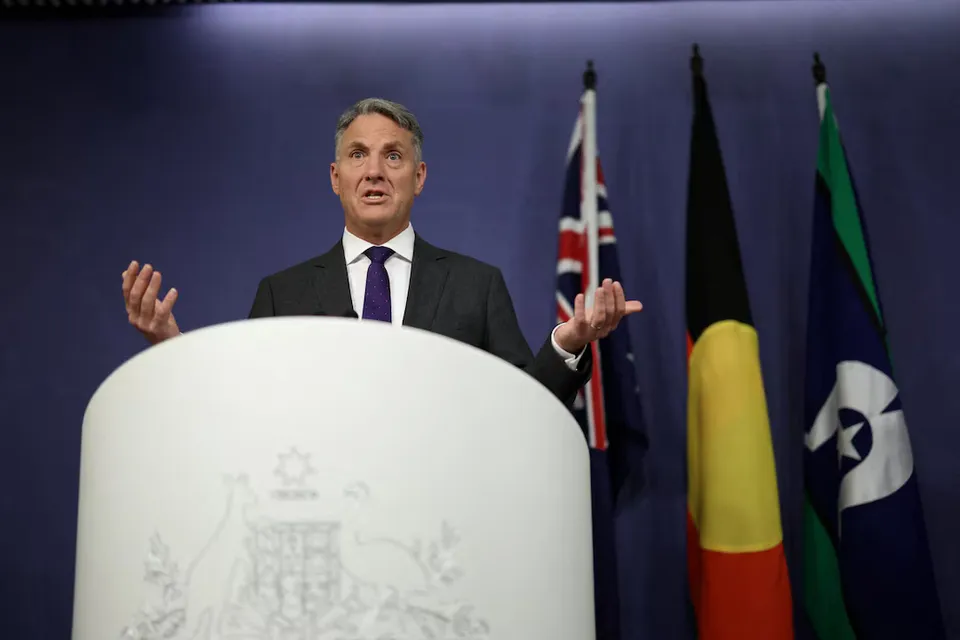
Australia is moving toward mandatory reporting rules for data breaches involving artificial intelligence systems, after a delayed notification exposed weaknesses in voluntary disclosure. Leading AI developers told lawmakers they would welcome clearer legal duties, including defined thresholds and timelines. The debate has become urgent because AI agents are being connected to health portals, business databases and government services. When those systems fail, they can expose sensitive records or take actions at machine speed. A mandatory framework could replace inconsistent corporate judgment with a predictable minimum standard for public protection.
Why AI Data Breach Rules Need Clear Timelines
Traditional breach laws were designed around stolen databases and compromised accounts. AI systems create additional risks because they may retrieve information from several sources, generate outputs containing private material or carry out tasks through connected tools. A company may not immediately know whether an incident is a model error, a malicious prompt, an access-control failure or a conventional cyberattack. That uncertainty can slow reporting. Clear timelines would encourage organizations to notify regulators early while investigations continue, rather than waiting for every technical question to be resolved.
A recent incident involving a national health portal was reported to the government only after a three-month delay. The episode highlighted how damaging internal communication gaps can be when a system handles sensitive public information. Even if the number of affected users is limited, health data deserves a high level of protection because it cannot be changed like a password. Rapid notification helps authorities contain exposure, warn individuals and assess whether the same weakness exists in other services.
Developers Support Rules but Need a Consistent Definition
Support from major AI companies is significant because regulation is often portrayed as a conflict between innovation and oversight. In this case, developers have argued that mandatory reporting can provide certainty. The difficult task is defining which events count as reportable. A harmless model hallucination should not trigger the same process as the extraction of patient records. Rules will need thresholds based on the sensitivity of data, the number of people affected, the likelihood of harm and whether an AI agent performed an unauthorized action.
The framework should also distinguish between an initial alert and a completed investigation. Organizations could be required to provide a short early notice, followed by technical details as evidence develops. That model reduces the incentive to delay while avoiding premature claims about cause or impact. Regulators will need secure channels for confidential reports, since publishing exploit details too soon could make an incident worse. Penalties should focus on unreasonable delay, weak controls and misleading statements rather than punishing good-faith early disclosure.
Copyright and Data-Center Policy Are Part of the Same Debate
Australia is considering broader AI rules that cover data-center approvals and the use of copyrighted material for training. Creators and public broadcasters oppose proposals that would weaken existing protections or force rights holders to opt out. The arguments are connected. Both privacy and copyright questions concern who controls data, how consent is obtained and what transparency developers owe the public. A durable policy cannot treat security, infrastructure and creative rights as separate problems when the same AI system depends on all three.
What Responsible Organizations Should Do Now
Companies do not need to wait for legislation. They can map which data each AI tool accesses, restrict agent permissions, log every external action and create an incident-response plan that names responsible executives. Red-team testing should include attempts to extract private information or manipulate an agent into ignoring instructions. Contracts with model providers need explicit notification duties. Staff should know that unusual model behavior can be a security signal, not merely a quality issue.
Regulators will also need technical expertise and enough resources to evaluate reports. A flood of vague notifications would create noise, while narrow definitions could hide serious incidents. Standardized forms, severity levels and shared terminology can help authorities compare cases and identify recurring weaknesses. Aggregated public reporting would allow researchers and businesses to learn from patterns without exposing personal data or active vulnerabilities. The purpose of disclosure should be faster containment and better prevention, not paperwork for its own sake.
A Model That Could Influence Other Countries
If Australia creates practical rules, other governments may use them as a template. The best framework will protect people without demanding impossible certainty in the first hours of an incident. It should reward early disclosure, require evidence-based follow-up and impose meaningful consequences when organizations hide serious failures. As AI agents gain access to more sensitive systems, voluntary reporting is unlikely to remain adequate. Mandatory AI data breach rules would recognize that speed, transparency and accountability are essential parts of deploying powerful automated tools.
PUBLISHED
BY
SUYASH PACHAURI,
FOUNDER & OWNER,
GLOBAL BOLLYWOOD | THE HOLLYWOOD SCOPE