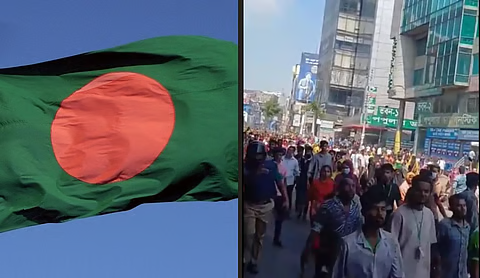
A wage-board decision follows factory unrest
Bangladesh has raised the minimum monthly wage for entry-level garment workers by 36 percent after weeks of protests that closed factories, interrupted production and led to clashes with police. The government-formed wage board set the new floor at 17,000 taka, about $136, up from 12,500 taka. Workers had sought a much larger increase as food, rent and transport costs climbed. The decision delivers a substantial nominal rise but remains below the level demanded by many labour groups.
The garment industry is central to Bangladesh's economy and employs millions of people, many of them women. It supplies major international clothing brands and generates a large share of export earnings. That importance gives wage disputes national and global consequences. Factory closures reduce shipments and create losses for manufacturers, while prolonged unrest can cause buyers to reconsider sourcing plans. Workers, however, argue that export success has not translated into incomes that cover basic living costs.
Inflation weakens the value of the increase
A percentage increase can appear large while still leaving households under pressure. The previous minimum of 12,500 taka was set against an earlier cost structure. Since then, higher prices for food, housing and utilities have eroded purchasing power. Workers must also support dependants and often pay for transport to industrial areas. The effective benefit of the new wage will therefore depend on inflation, overtime practices and whether factories comply fully rather than offsetting the rise through reduced hours or other deductions.
Manufacturers face their own cost pressures, including energy shortages, financing expenses and demanding delivery schedules. Smaller factories may find the increase harder to absorb than large exporters. Some could seek higher prices from overseas buyers, improve productivity or cut less efficient capacity. International brands will face scrutiny over whether their purchasing practices allow suppliers to pay the new minimum safely. A wage policy cannot be separated from the prices, lead times and compliance expectations built into global clothing contracts.
Protests exposed a wider trust problem
Weeks of sometimes violent demonstrations showed that the dispute was not simply a technical disagreement inside a wage board. Workers wanted a stronger voice in how the minimum was calculated, while factory owners and authorities prioritised stability and competitiveness. When negotiations fail to command trust, rumours and confrontations can spread quickly across industrial districts. Transparent publication of the wage formula, enforcement rules and review timetable would help reduce uncertainty before the next adjustment becomes urgent.
Safety is another part of worker welfare. Bangladesh has made major improvements in factory inspection and building standards since the Rana Plaza disaster, yet labour rights, union representation and retaliation concerns remain sensitive. A higher wage is meaningful only if workers can claim it without unsafe workloads or intimidation. Brands and regulators should treat pay, working hours, fire protection and freedom of association as connected elements of responsible production rather than separate compliance boxes.
The global fashion supply chain will share the cost
Bangladesh competes with Vietnam, India, Cambodia and other manufacturing centres on price, scale and delivery. A higher wage may narrow its cost advantage, but stable labour relations and reliable production are valuable to buyers. Continual unrest can be more expensive than a planned increase. Factories that invest in skills, machinery and energy efficiency may offset part of the added labour cost, while brands can support the transition through fair pricing and longer-term orders instead of demanding immediate savings elsewhere.
The next stage is implementation. Authorities must clarify when the new floor applies, how different job grades are adjusted and what remedies workers have if employers do not comply. Factory owners need to incorporate the increase without compromising safety or delaying wages. The 36 percent rise is a major response to public pressure, but it is not the end of the debate. Its success will be judged by real household purchasing power, industrial stability and whether Bangladesh can protect workers while remaining a dependable centre of global apparel production.
The wage decision will also influence the next round of negotiations between factories and international buyers. Manufacturers may present higher payroll costs during price discussions, while brands will need evidence that any additional payment reaches workers rather than disappearing through intermediaries. Independent payroll audits and worker interviews can help verify implementation. Consumers increasingly expect clothing companies to understand conditions in their supply chains, but responsible sourcing requires more than public commitments. It involves order prices, production deadlines and purchasing changes that do not force factories to recover costs through excessive overtime. Bangladesh's new minimum creates a measurable baseline. The credibility of the industry will depend on whether contracts, enforcement and factory practice align with that figure across the full production network.
PUBLISHED BY SUYASH PACHAURI, FOUNDER & OWNER, GLOBAL BOLLYWOOD | THE HOLLYWOOD SCOPE.