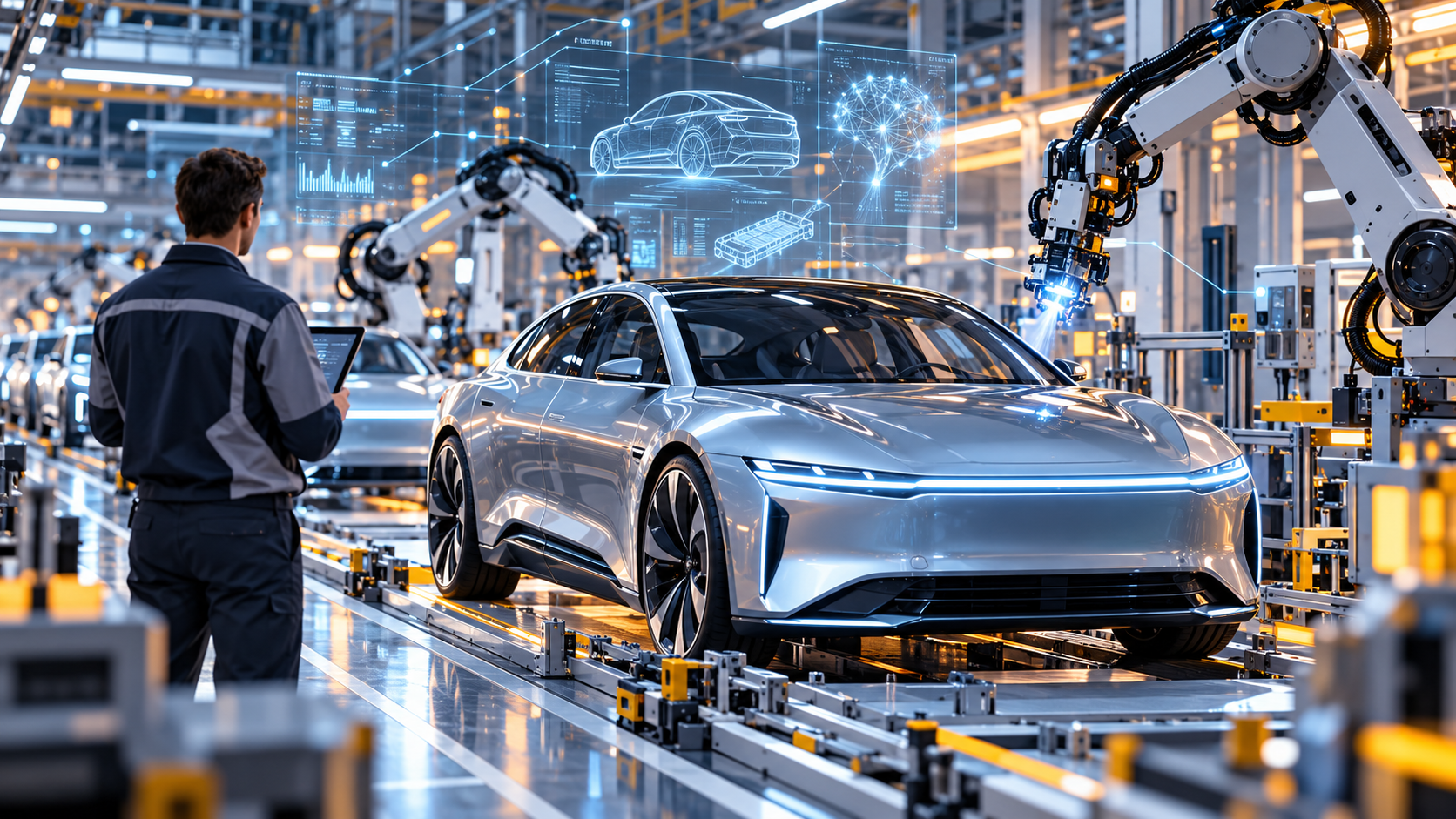
The BMW restructuring plan presented on September 30, 2026 links organisational changes with artificial intelligence and a more region-specific vehicle strategy. The company aims to reduce divisions and associated management roles by a fifth, while preparing an entry-level electric vehicle for Europe and a luxury SUV for the United States. Its automotive margin objectives are 3% to 5% by 2028 and 8% to 10% in the early 2030s. These are targets for a recovery programme, not results already delivered.
BMW restructuring plan reaches beyond an organisation chart
Removing management layers can shorten the route between a problem and a decision. It can also create confusion if responsibilities disappear with the positions being removed. The decisive issue is whether the revised structure leaves employees with clearer authority, dependable information and a workable escalation path. A smaller chart is easy to announce. A faster organisation requires people to understand which decisions they own and how their work connects to suppliers, engineering, production and customers.
The plan arrives against a background of competitive and profitability pressures, with a previously announced workforce programme expected to affect thousands of German positions. That makes implementation more complicated than an abstract efficiency exercise. Employees need clarity about changing roles, while the business needs to retain the knowledge required to deliver products. A restructuring that reduces expense while weakening execution can produce short-term relief at the cost of a harder recovery later.
What BMW artificial intelligence must accomplish
Artificial intelligence can be applied to administrative, engineering or production tasks, but the label alone does not describe a commercial benefit. A useful application should have a defined job and an observable result, such as reducing repetitive processing or helping a team identify an issue sooner. Those gains need to be measured against the effort required to maintain the system and correct its errors. Otherwise, a technology initiative can add another layer of work to the organisation it was intended to simplify.
Automotive decisions also carry different consequences. Drafting an internal summary is unlike approving a component change or deciding that a vehicle meets a safety requirement. The value of BMW artificial intelligence initiatives will depend partly on recognising those boundaries. Human responsibility, validation and an understandable record of decisions remain important. The objective should be better execution, with technology supporting the appropriate decision-maker rather than obscuring who is accountable for the outcome.
Regional vehicle strategy reflects different customer needs
A BMW regional vehicle strategy recognises that one product emphasis may not suit every major market. Price expectations, vehicle size preferences and the practical use of a car can differ between customers and locations. Designing around those differences can strengthen relevance. It can also increase complexity if every regional adaptation requires a separate collection of engineering, software and production arrangements. The challenge is to offer meaningful distinctions while retaining the benefits of shared development where those benefits are useful.
The European entry-level EV proposal illustrates the connection between affordability and brand identity. A lower entry price may attract customers who cannot justify a larger purchase, but the vehicle still needs to offer a persuasive ownership experience. Range, charging convenience, quality and everyday usability all shape that judgment. The product cannot rely solely on being the least expensive option in its own showroom. It must explain why a buyer should choose it within a competitive market.
BMW electric vehicles need a credible ownership proposition
For any new electric model, the purchasing decision extends beyond the initial specification sheet. Customers consider how the vehicle will fit their journeys, where they can charge and how comfortably they can manage running costs. Manufacturers can influence parts of that experience directly and need partnerships for others. A launch schedule therefore becomes more convincing when it is accompanied by practical information that helps customers evaluate ownership, rather than only a distant promise about technology.
A premium SUV aimed at the United States presents a different commercial calculation. A higher-priced product may support revenue, but customers still need a reason to accept that price. The manufacturer must balance features, production requirements and demand instead of treating a luxury segment as an automatic source of profit. Regional tailoring is valuable when it responds to identifiable preferences. It becomes less useful when it merely multiplies versions without improving the case for buying them.
Automotive margins will provide the harder test
Margin targets give the restructuring a financial destination, but the route depends on several moving parts. Product mix, pricing, manufacturing expense and development commitments can all influence the result. Cutting one cost does not guarantee an improvement if another rises or sales weaken. A meaningful assessment should therefore look at the combination of operational progress and customer demand. The reported margin is the outcome of those relationships, not a direct score for any single management initiative.
The BMW restructuring plan sets out a direction rather than a completed turnaround. Its strongest potential lies in connecting simpler decisions, useful technology and products suited to their intended customers. The next evidence will come from implementation milestones and financial performance over successive periods. Investors and buyers alike will learn more from delivered vehicles and consistent execution than from the size of the ambition alone.
PUBLISHED BY SUYASH PACHAURI, FOUNDER & OWNER, GLOBAL BOLLYWOOD | THE HOLLYWOOD SCOPE