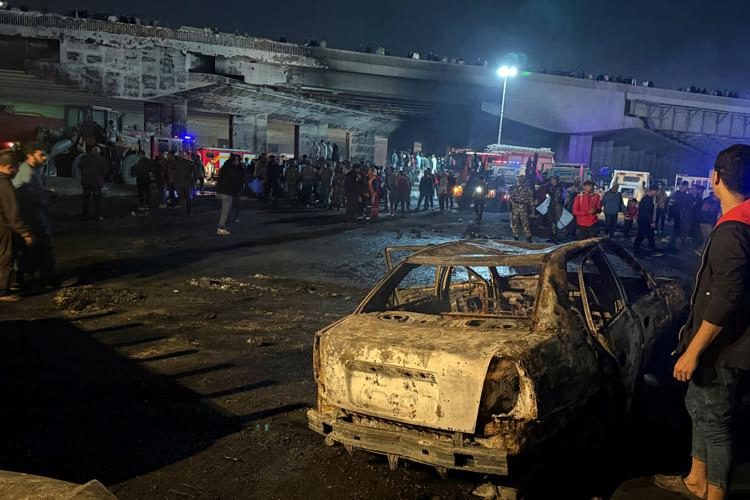
Driver detained after deadly rush-hour inferno
Egyptian authorities detained a driver suspected of causing a fuel tanker to overturn on Cairo's Ring Road, setting off a fire that killed at least 31 people. Twenty-five others were injured and 27 vehicles were left charred. The crash occurred during the evening rush near Waraq, a densely populated area on the northern side of the orbital highway. Prosecutors said DNA testing was under way to identify victims whose remains could not be recognised visually.
According to the account given to investigators, the detained driver was speeding and moving between lanes when his vehicle struck the tanker near its rear side. He then lost control, and one of the tanker's tyres burst before the truck hit a concrete barrier and overturned. Fuel spread across the roadway and ignited, trapping commuters among cars and motorcycles. The allegation must still be tested through the legal process and technical examination of the vehicles.
A critical road turned into a fire corridor
The Ring Road is one of the main transport arteries around the Egyptian capital, connecting central districts with suburbs and satellite communities. Its traffic includes private cars, minibuses, heavy trucks and pedestrians accessing informal stops. When a tanker overturned, congestion that normally slows movement became a deadly obstacle. Drivers had little space to turn around, while flames spread between closely packed vehicles and reached the level of nearby buildings.
Residents described hearing repeated explosions as more vehicles caught fire. Three buildings close to the road were evacuated when flames rose several storeys. Emergency services dispatched 39 ambulances, and local people joined early rescue efforts. The scale of the response shows how a highway accident can quickly become an urban disaster when hazardous cargo, dense development and rush-hour traffic meet in the same location.
The investigation must look beyond one driver
Criminal responsibility is one question, but road-safety policy raises others. Authorities will need to examine whether hazardous-material vehicles face appropriate restrictions during peak hours, whether the tanker met maintenance standards and whether barriers, exits and emergency access were adequate. Speed enforcement and lane discipline also matter. Focusing only on individual error can leave the conditions that make a single mistake catastrophic unchanged.
Egypt has a persistent road-safety problem associated with speeding, uneven enforcement, vehicle condition and ageing infrastructure. Major expressways have expanded to serve a rapidly growing metropolitan area, but monitoring and emergency planning must grow with them. Tankers require especially strict rules because a collision can release large quantities of flammable material. Route planning, driver hours, inspection records and real-time tracking can reduce risk before a truck enters a crowded road.
Families wait for identification and accountability
The human consequences extend beyond the confirmed death toll. Families gathered at hospitals seeking information, while survivors face burns, trauma and possible long-term treatment. DNA identification can take time, adding uncertainty to grief. Authorities must communicate carefully, avoid releasing unconfirmed names and provide support to relatives. A transparent investigation should establish a sequence of events and explain whether additional people or organisations share responsibility.
Traffic returned to the Ring Road after the fire, but physical reopening does not resolve the safety failures exposed by the incident. The detention marks an important investigative step, not a final judgment. Egypt now has an opportunity to review hazardous-cargo movement across Cairo and strengthen emergency access on its busiest roads. The measure of the response will be whether accountability is accompanied by changes that reduce the chance of another rush-hour journey becoming a mass-casualty fire.
Safety reforms need measurable enforcement
A policy review should identify the hours when fuel tankers may use urban expressways, the routes they must follow and the penalties for unsafe operation. Digital permits and vehicle tracking could help controllers identify unauthorised movement. Regular inspections should cover tyres, brakes, tank integrity and emergency shutoff systems. These measures will matter only if enforcement is consistent rather than intensified briefly after a tragedy.
Emergency planning should include access points for fire engines, water and foam supplies, hospital coordination and drills for nearby buildings. Public transport drivers and roadside vendors also need simple guidance on escaping a fuel fire because they may be among the first people exposed. Publishing an after-action report would allow other cities to learn from Cairo's experience. Preventing the next disaster is the most meaningful form of accountability available to those who survived this one. Public disclosure of completed reforms would let residents judge whether promised changes have actually reached the road.
PUBLISHED BY SUYASH PACHAURI, FOUNDER & OWNER, GLOBAL BOLLYWOOD | THE HOLLYWOOD SCOPE.