A fresh round of resistance across Asia
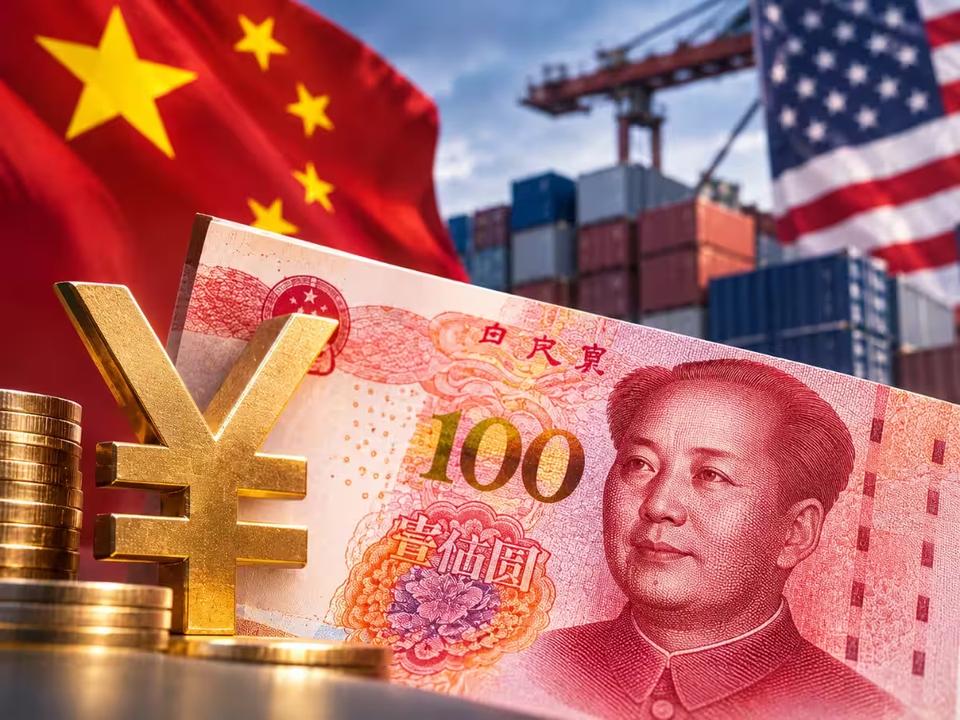
China and several Asian trading partners have challenged a new American tariff plan that would raise barriers on goods from major manufacturing economies. Beijing said it reserved the right to take necessary measures, while governments including Singapore and South Korea disputed important parts of the investigation used to justify the duties. The immediate story is no longer simply the proposed rates. It is the coordinated political and commercial response from countries that regard the policy as an inaccurate reading of how their economies function.
The plan covers China, Japan, South Korea, India, Vietnam, Singapore, Malaysia, Indonesia, Thailand, Bangladesh and Cambodia, as well as the European Union and Switzerland. Rates would vary according to existing agreements and the outcome of further negotiations. China faces a proposed 20 percent charge that could rise if Washington concludes that an earlier truce is no longer being followed. India could face 25 percent without a trade agreement, while an agreed framework could cap its rate at 17 percent.
China rejects the overcapacity argument
The American case rests on the claim that subsidies, industrial planning and other state-supported practices create structural excess capacity that damages domestic producers. China rejects that description and argues that the investigation violates multilateral trade rules. Its response matters because higher tariffs would be added to substantial duties already imposed on many Chinese products. The resulting burden could affect sourcing decisions in electronics, machinery, clean energy equipment and consumer goods even before the final schedule becomes effective.
Beijing has not announced immediate retaliation, leaving room for negotiation while signalling that countermeasures remain possible. That restraint should not be mistaken for acceptance. Trade officials can answer through their own tariffs, regulatory scrutiny, export controls or challenges at international institutions. Companies must therefore model more than the direct American duty. They also need to consider how a wider response could affect access to components, raw materials and customers across the world's largest manufacturing networks.
Smaller export economies dispute the rationale
Singapore said the reasoning did not reflect the nature of an outward-facing, market-driven economy and pointed to the long-running American trade surplus in bilateral commerce. Malaysia described the dispute as part of a wider problem created by global reliance on the United States as a consumer market. South Korea questioned conclusions about its role as a hub for advanced chips. Vietnam, which faces one of the steeper potential rates, said it would submit counterarguments to findings it regarded as inaccurate.
These objections reveal why one tariff formula cannot easily capture very different economies. A global surplus may coexist with a bilateral deficit, while a fast-growing export sector can depend heavily on imported technology and materials. High production does not automatically prove unfair practice. At the same time, governments do use subsidies and strategic policy to attract factories. The argument will turn on evidence, product coverage and whether the proposed response is proportionate to any demonstrated harm.
Supply chains face another period of uncertainty
Businesses are likely to delay some investment decisions until they know which products are covered, when duties begin and whether negotiated caps will be honoured. Importers may accelerate orders, seek exclusions or shift purchases to alternative suppliers. Exporters could move final assembly, but the wide country list makes simple relocation less attractive. A factory moved from China to another Asian economy may still face a meaningful tariff, weakening the diversification strategy commonly described as China plus one.
The next phase will test whether the tariff proposal becomes leverage for new trade agreements or the beginning of a broader confrontation. China and its neighbours have chosen firm language without closing diplomatic channels. That balance may limit immediate escalation, but it does not remove the commercial risk. The lasting effect will depend on final rates, exemptions and retaliation rather than the first day of market reaction. For manufacturers and consumers, clarity now matters almost as much as the headline percentage.
What companies and governments must watch next
The consultation calendar will provide the first clues about which industries can win exemptions and which governments are prepared to offer concessions. Automotive parts, semiconductors, textiles, machinery and clean-energy equipment have different supply chains and political constituencies. A broad tariff may therefore produce uneven effects even when countries share the same headline cap. Customs guidance will be essential because the origin of a finished product can depend on where its most substantial transformation occurred.
Trade ministries also need to coordinate with central banks and finance departments. A tariff shock can influence currencies, inflation and investment as well as exports. Support for affected firms should focus on productivity, market diversification and compliance rather than permanent protection from competition. The policy contest will be measured over months, not by a single statement. Negotiated outcomes, legal challenges and corporate decisions will reveal whether the latest plan redirects trade or mainly raises costs along existing routes.
PUBLISHED BY SUYASH PACHAURI, FOUNDER & OWNER, GLOBAL BOLLYWOOD | THE HOLLYWOOD SCOPE.