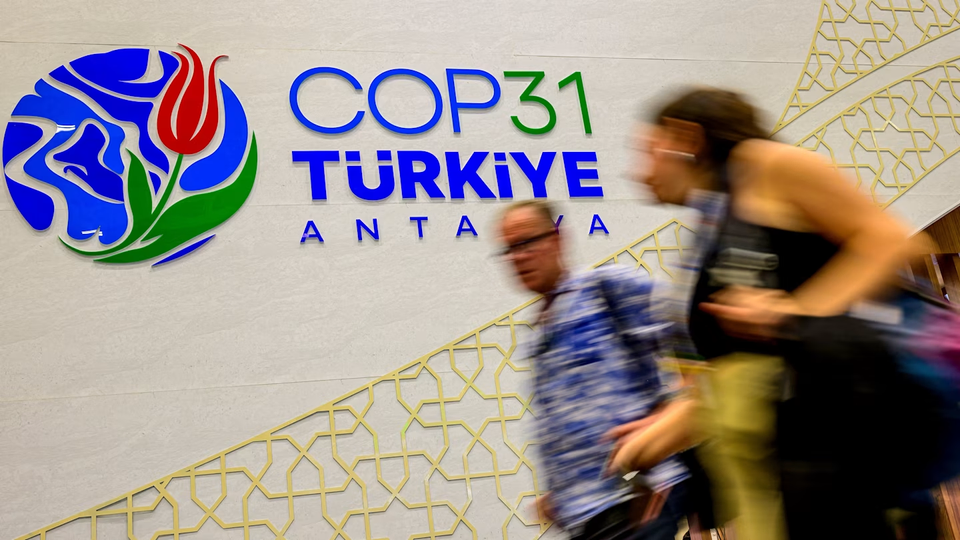
Climate diplomacy confronts a harsher temperature reality
Negotiators at COP31 are considering language that accepts the world is likely to spend decades above the 1.5°C warming threshold before temperatures can be brought down again. The emerging approach combines much deeper cuts to greenhouse-gas emissions with the removal of vast quantities of carbon dioxide already accumulated in the atmosphere. It marks a sobering shift from preventing overshoot to limiting its duration and damage.
The same negotiations have drawn sharp criticism because draft text failed to mention fossil fuels directly. That omission matters because coal, oil and gas combustion remains the dominant source of human-caused carbon dioxide. A plan centred on future removal technology could weaken pressure for immediate reductions if governments treat atmospheric cleanup as an alternative rather than a response to residual emissions after aggressive decarbonisation.
The scale of proposed carbon removal is unprecedented
Current estimates discussed around the summit indicate that approximately 320 billion metric tons of carbon dioxide may need to be removed during this century to return temperatures below the target after an overshoot. That quantity is comparable to several years of present global emissions. Existing removal projects operate at only a tiny fraction of the required scale, leaving an enormous gap between climate models and available infrastructure.
Natural approaches such as restoring forests, peatlands and soils can store carbon while supporting biodiversity and water systems. Their capacity is limited by land, permanence and the risk that fire, drought or deforestation will release stored carbon again. Mechanical systems that capture carbon directly from ambient air may offer measurable storage, but they remain expensive, energy-intensive and small compared with the volumes described in long-term scenarios.
Carbon removal cannot become permission to delay cuts
Climate specialists emphasise that atmospheric removal works only alongside rapid reductions. If emissions continue at a high level, removal systems would be forced to chase a constantly growing burden and could never restore a safer temperature range. The first priority remains reducing fossil-fuel use, stopping deforestation, improving efficiency and expanding low-carbon electricity, transport and industrial processes.
Governments will need clear rules separating durable removal from avoided emissions. Preventing one ton of carbon dioxide from entering the atmosphere is not the same as extracting a ton that has already accumulated. Markets that blur the distinction can generate weak credits and exaggerated claims. Accurate measurement, long-term monitoring and liability for future leakage will determine whether removal projects deliver real climate value.
Fossil-fuel language remains the political fault line
The draft's failure to name fossil fuels has angered vulnerable countries and climate campaigners. Previous summits acknowledged the need to transition away from the fuels driving warming. Removing that language risks sending a weaker signal to investors and national governments. It may also make ambitious electrification targets less meaningful if new electricity demand can still be supplied by unabated coal or gas generation.
Finance is equally contentious. Countries with limited responsibility for historic emissions are already facing extreme heat, flooding, drought and rising seas. They want predictable support for adaptation, loss and damage, clean energy and resilient infrastructure. A proposal to expand climate funds without a clearly defined amount or delivery mechanism offers little certainty to governments planning protection for exposed communities.
Overshoot increases risks even if temperatures later fall
Every additional fraction of warming raises the probability of irreversible damage. Coral reefs, ice sheets, forests and species may not recover simply because global average temperature later declines. Communities can also lose homes, livelihoods and cultural sites during the overshoot period. A temporary breach on a graph can represent decades of real disruption for people living in climate-sensitive regions.
That is why the duration and peak of overshoot matter. Rapid reductions now can limit how far temperatures rise and reduce the amount of carbon that future generations must remove. Delayed action creates a larger technological, financial and ethical burden. It asks people who contributed least to the problem to endure greater damage while depending on systems that have not yet proved they can operate at planetary scale.
What comes next
A credible final agreement would pair explicit fossil-fuel transition language with near-term targets, transparent finance and strict standards for removal. It should identify which residual emissions are genuinely difficult to eliminate and reserve durable removal for those sources. Governments must also protect communities and ecosystems from poorly designed projects that compete for land, water or clean energy.
COP31 is therefore not only debating a technology. It is deciding whether carbon removal becomes a disciplined tool within deep decarbonisation or a vague promise that postpones difficult choices. The world may now need both emissions cuts and atmospheric cleanup, but the order of responsibility remains clear: stop adding as much carbon as possible before relying on future systems to pull it back out.
PUBLISHED BY SUYASH PACHAURI, FOUNDER & OWNER, GLOBAL BOLLYWOOD | THE HOLLYWOOD SCOPE.