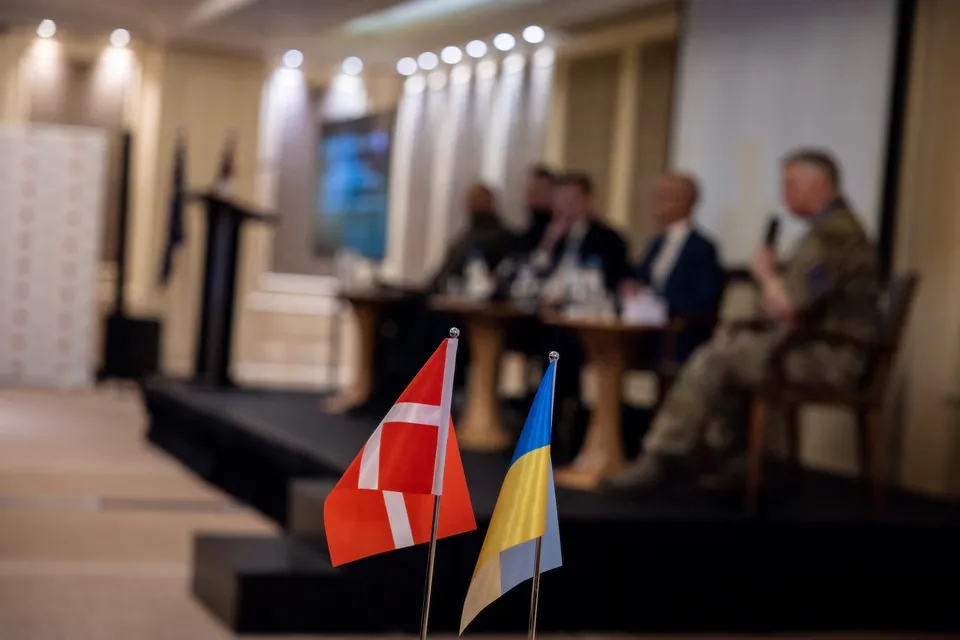
Denmark's security service says Russian sabotage operations have shifted toward companies that supply military equipment to Ukraine, marking an escalation in Europe's hybrid-security challenge. The assessment is that broad disruption failed to reduce NATO support, leading planners to focus on businesses with a direct effect on the battlefield. Danish officials say the operations may use inexperienced proxies recruited through social media for surveillance or attacks. Russia denies the allegations. The warning highlights a difficult threat: activity can remain below the threshold of conventional war while still damaging industrial capacity, intimidating workers and testing the political unity behind Ukraine.
How the Alleged Sabotage Strategy Is Changing
Earlier activity involved widespread planning and attempts to create disruption across society. The newer pattern is described as more selective and operationally bold. Defence manufacturers, logistics providers and facilities connected to drone production have greater strategic value because delays can affect deliveries to the front. Targeting them also sends a message to private companies that support government policy. Even minor incidents can force expensive security upgrades, interrupt schedules and make employees question whether their workplace is becoming a military target.
Recruiting proxies offers several advantages to a foreign service. Individuals with financial problems or limited training may accept small assignments without understanding the wider operation. Messaging platforms can separate the person giving instructions from the person carrying them out. Tasks may begin with photography or location checks and escalate to arson or physical damage. This structure complicates attribution because the immediate offender may have no formal connection to a state. Investigators must link digital instructions, payments and strategic intent before making a public accusation.
Hybrid Warfare Exploits Legal and Political Gaps
A conventional attack on a NATO member would trigger a clear alliance response. Sabotage, cyber operations and deniable drone incidents occupy a grey area. Each event may appear too small or uncertain to justify major retaliation, but the cumulative effect can be significant. Governments must protect critical facilities without allowing fear to paralyze commerce or erode civil liberties. Public statements need to distinguish confirmed facts from assessment so that citizens understand both the threat and the limits of available evidence.
Denmark has previously experienced unexplained drone activity around airports and other infrastructure. Such incidents expose vulnerabilities even when the operator is not identified. Airports, ports, power networks and factories need layered detection and clear procedures for deciding when to stop operations. Counter-drone technology can help, but radio-frequency detection and jamming have legal and technical limitations in populated areas. Physical security, employee awareness and rapid information sharing remain equally important.
Defence Companies Need Security Beyond the Factory Gate
Manufacturers typically protect designs, weapons and production lines, yet attackers may choose softer points such as suppliers, transport routes or temporary workers. A comprehensive plan should map dependencies, verify contractors and protect shipment information. Companies also need channels for employees to report suspicious contact without fear of embarrassment. Social-media recruitment can target people who post detailed workplace information or express financial distress. Training should therefore address both operational security and personal approaches.
Allied Coordination Can Improve Attribution
A single country may see only one piece of a wider campaign. Shared data can reveal repeated payment methods, online identities or targeting patterns across borders. NATO and European partners can coordinate forensic standards so evidence from one incident is comparable with another. Faster attribution increases the cost of covert action, but public claims must remain credible. Overstating weak evidence can help an adversary dismiss later findings and can damage trust with communities whose cooperation is essential.
Policy responses can include arrests, sanctions, diplomatic measures and disruption of recruitment networks. Governments may also support vulnerable companies with threat intelligence and security funding, especially when businesses are producing equipment at national request. The aim should be resilience rather than complete prevention, which is unrealistic. Facilities need backup suppliers, alternative transport routes and recovery plans that keep production moving after an incident. A failed attack that causes little delay provides less strategic reward than one that dominates headlines and halts work for weeks.
Europe's Defence Supply Chain Is Now Part of the Front Line
The Danish warning shows that support for Ukraine has blurred the boundary between military and civilian infrastructure. Companies far from the battlefield can become targets because their products influence it. The appropriate response is not panic or blanket suspicion. It is patient investigation, stronger industrial security and coordinated consequence management. Denmark and its allies must protect legitimate production while preserving openness and the rule of law. Hybrid campaigns succeed when uncertainty divides societies; transparent evidence and resilient operations make that objective harder to achieve.
PUBLISHED
BY
SUYASH PACHAURI,
FOUNDER & OWNER,
GLOBAL BOLLYWOOD | THE HOLLYWOOD SCOPE