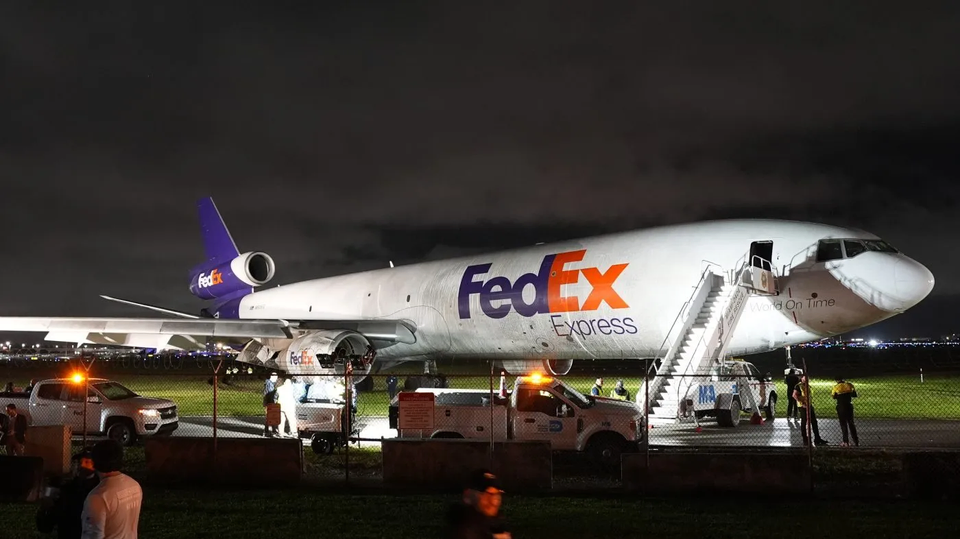
Runway overrun closes most of a major airport
A FedEx McDonnell Douglas MD-11 cargo aircraft overran a runway at Miami International Airport on the evening before Thanksgiving, temporarily leaving only one of the airport's four runways available. The aircraft had arrived from Memphis and went beyond Runway 26R at about 8:40 p.m. local time. The incident prompted a ground stop and contributed to delays during one of the busiest travel periods of the year.
No mass-casualty outcome was reported in the first official accounts, but the operational effect was immediate. Aircraft could not use the affected runway while responders and investigators worked at the scene. By early Thursday, the federal aviation regulator was reporting delays lasting hours. Passengers were told to check directly with airlines before travelling to the airport because schedules could change as runway capacity gradually returned.
Why a cargo incident affects passenger travel
Cargo and passenger aircraft share runways, taxiways and air traffic services at major hubs. When a disabled freighter occupies the safety area beyond a runway, airport managers may need to close nearby surfaces until they know the aircraft is stable and equipment can be moved safely. The loss of three runways sharply reduces the number of arrivals and departures that controllers can handle, causing delays that spread through airline networks.
Thanksgiving traffic magnified the consequences. Flights were already heavily booked, leaving fewer empty seats for travellers who missed connections. Aircraft and crews scheduled to continue to other cities could also arrive late, extending disruption beyond Miami. Even after a runway reopens, airlines need time to rebuild the sequence of departures, reposition staff and deal with baggage and cargo that no longer match the original timetable.
Investigators will examine the landing sequence
A runway overrun can involve weather, braking performance, approach speed, runway condition, mechanical issues or crew decisions. It would be premature to select a cause before flight data, cockpit recordings, maintenance documents and airport systems are examined. Investigators will also look at the exact touchdown point and the actions taken after landing. The aircraft type and load will help determine the expected stopping distance under the conditions at the time.
Airport response will receive similar attention. Runway-end safety areas are designed to reduce harm when an aircraft cannot stop within the paved surface. Emergency access, fire cover and communication between the tower and ground teams influence how quickly a scene can be secured. A careful inquiry should separate the reason the aircraft overran from the factors that determined whether the event produced injuries or damage beyond the aircraft itself.
A second warning for Miami aviation safety
The event came after another recent ground incident at Miami, increasing public attention even though the circumstances may be unrelated. Repetition at one airport does not automatically prove a common systemic failure, but it justifies reviewing runway operations, traffic volume and previous recommendations. Regulators and the airport should publish findings when evidence is available so that speculation does not replace technical analysis.
For travellers, the practical lesson is to verify flight status and allow additional time when a major airport loses runway capacity. For the aviation industry, the more important task is understanding why a large cargo jet could not remain within the landing surface. The absence of a major casualty count is fortunate, but safety improvement depends on treating a near miss or limited-damage event with the same discipline applied after a more severe accident.
Cargo fleets present distinct operating questions
Freighters often operate at night and may carry dense loads that influence landing performance. Older aircraft can remain safe when maintained correctly, but their systems, braking characteristics and crew procedures deserve the same scrutiny applied to newer fleets. Investigators will examine maintenance history and whether any deferred item was relevant. Fleet age alone cannot establish a cause, yet it provides context for reliability and training decisions.
Airport operators can use the inquiry to review runway condition reporting, lighting and rapid recovery equipment. Moving a large disabled aircraft requires specialist vehicles and a plan that protects investigators' evidence. Agreements with airlines and nearby airports can reduce closure time. The goal is not to rush removal but to restore capacity safely while preserving the information needed to prevent recurrence. That balance is especially important at a hub carrying both passengers and international freight. Timely preliminary findings would help airlines adjust procedures before the final investigation is completed and formally published publicly.
PUBLISHED BY SUYASH PACHAURI, FOUNDER & OWNER, GLOBAL BOLLYWOOD | THE HOLLYWOOD SCOPE.