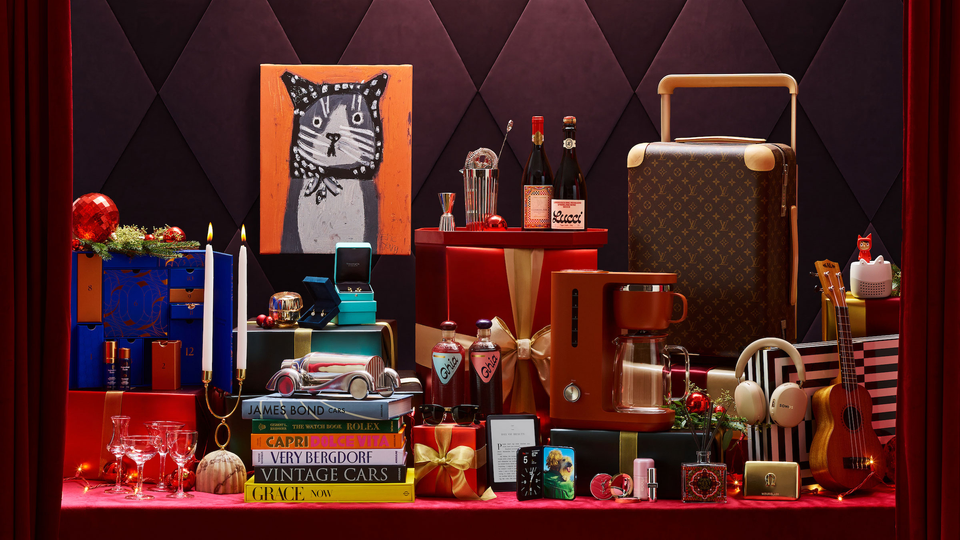
Younger households take a larger share of holiday spending
Holiday luxury shopping in 2026 is being shaped by millennials and Gen Z households that are spending with greater intention despite inflation and economic uncertainty. A large national retail survey projects average US holiday spending of $1,654 per household, an increase of 4 percent from the previous year. For the first time in the study, millennials and Gen Z together are expected to account for half of all seasonal spending.
Their influence reflects changing life stages as well as taste. More millennials and older Gen Z consumers are buying for children, partners and extended families while also making selective purchases for themselves. Retailers therefore face customers who want emotional relevance and visible quality but remain alert to value. The result is not a simple rush toward expensive goods. It is a more considered mix of fashion, experiences, wellness and useful products.
Practical gifts gain prestige
Practicality has become a central part of premium gifting. Outerwear, knitwear, footwear and accessories can justify their price because recipients can use them repeatedly after the festive season. Cashmere, scarves, trench coats and durable winter pieces are receiving stronger attention than novelty purchases. Even high-income shoppers increasingly want an item to offer function, emotional meaning or longevity beyond the excitement of opening it.
This does not eliminate indulgence. It changes the form indulgence takes. Instead of one highly conspicuous object, shoppers may choose several smaller gifts that feel tailored to the recipient. A carefully selected scarf, piece of eyewear or pair of shoes can communicate more personal knowledge than a generic expensive product. Retailers that offer useful guidance, customisation and thoughtful presentation are positioned to benefit from that shift.
Wellness and shared experiences enter the luxury basket
Wellness is moving closer to the centre of holiday gifting. Survey data indicates that 44 percent of shoppers plan to give products connected with health and wellbeing, up from 40 percent a year earlier. Fitness apparel, recovery tools, spa treatments and carefully formulated personal-care products can sit alongside conventional fashion gifts. Their appeal comes from combining self-care with a sense of considered personal attention.
Experiences are also competing with physical goods. Younger consumers frequently say that a shared meal, trip or in-person activity can carry more meaning than another object. Luxury retailers can respond by linking products to services and occasions, such as styling appointments, workshops or hospitality. The strongest offers make the customer feel that the gift creates a memory rather than simply transferring merchandise from a store to a home.
Classics survive when they feel relevant
Timeless fashion remains attractive, particularly when shoppers need to justify a premium purchase. Research among luxury consumers shows a strong preference for classic styles that can be worn beyond one season. Established bags, quality outerwear and versatile jewellery continue to perform because they offer recognisable design without depending entirely on a short-lived trend. The customer is buying usefulness and confidence as much as a label.
At the same time, familiar categories can gain energy from a well-timed campaign. Demand for men's Calvin Klein underwear rose 60 percent year on year in October, and searches increased again after a campaign featuring Jude Bellingham. The example shows how a reliable stocking filler can become culturally current without losing its practical purpose. Holiday success increasingly comes from combining proven products with a fresh reason to notice them.
What comes next
Retailers now have to balance celebration with financial realism. Many shoppers feel economic pressure, yet they still plan to spend when a product appears meaningful, durable or genuinely useful. Clear value, accurate product information and flexible price points will matter as much as lavish seasonal displays. Brands that understand household needs can protect demand without relying on constant discounting.
Inventory discipline will be equally important. Retailers need enough depth in dependable categories while avoiding excessive stock in novelty lines that may lose appeal after December. Better forecasting, smaller test orders and rapid replenishment can support choice without creating a heavy markdown burden. The commercial advantage will go to companies that read customer intent early and connect availability with the occasions people are actually planning.
The 2026 season suggests that luxury gifting is becoming less about excess and more about discernment. Younger consumers are not rejecting premium products, but they expect those products to fit their lives, identities and relationships. Practical fashion, wellness and shared experiences all benefit from that expectation. The most successful holiday offer will be the one that feels personal enough to keep long after the decorations are removed.
PUBLISHED BY SUYASH PACHAURI, FOUNDER & OWNER, GLOBAL BOLLYWOOD | THE HOLLYWOOD SCOPE.