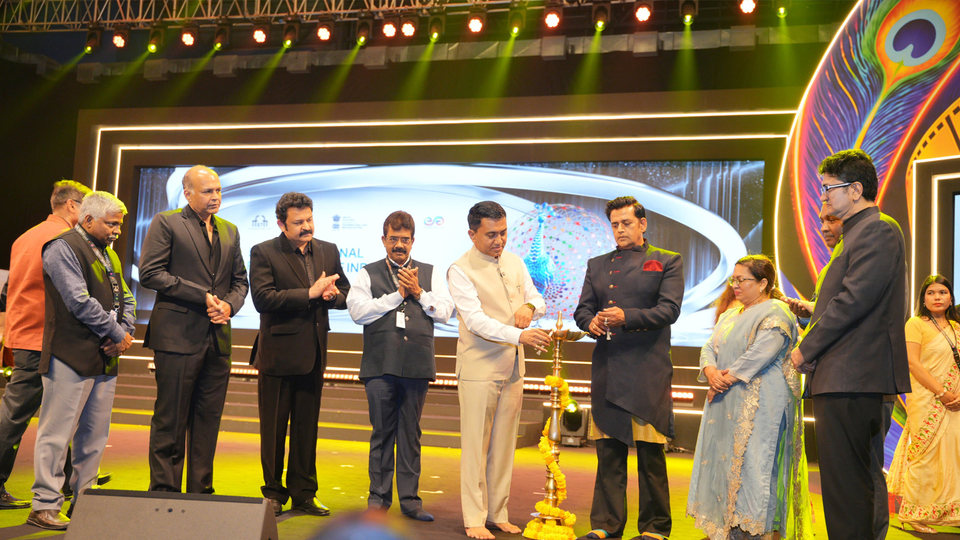
Goa Opens a Nine-Day Celebration of Cinema
The 57th International Film Festival of India has opened in Panaji, bringing filmmakers, performers, delegates and audiences together for a programme running from November 20 to November 28, 2026. Goa Chief Minister Pramod Sawant inaugurated the edition in the presence of senior officials, festival representatives and film personalities. The gathering begins with a wide international footprint, with 86 nations represented and more than 150 films included across the programme.
This year's theme, Stories Without Borders, places cultural exchange at the centre of the festival. The phrase reflects the way films move across languages, regions and political boundaries while retaining their local identities. It also gives the event a clear editorial frame: cinema is being presented not only as entertainment, but as a meeting point for different histories, creative methods and social experiences.
A Festival With Both National and International Roles
IFFI occupies a distinctive position in India's screen culture. It provides a showcase for Indian films while also bringing international work to domestic audiences, programmers and professionals. That dual purpose matters in a market where commercial cinema is expanding globally and independent filmmakers continue to seek stronger routes to festivals, sales agents and co-production partners.
The presence of films from 86 nations broadens the conversation beyond a single industry. Delegates can compare storytelling traditions, production conditions and audience trends across territories. Indian participants, meanwhile, gain opportunities to place regional and national work inside a wider cinematic context. The festival's value is therefore measured not only by screenings, but also by the relationships, discussions and future collaborations that can begin around them.
Stories Without Borders Sets the Creative Direction
A borderless theme is especially relevant to contemporary viewing habits. Streaming platforms, international festivals and diaspora audiences have made subtitled and dubbed storytelling more familiar. A film rooted in one city or language can now reach viewers far beyond its original market. At the same time, global visibility creates pressure to preserve cultural detail rather than flatten every story into a generic international format.
The strongest festival films often succeed because they are specific. Their settings, languages and social realities become the source of their universality. IFFI's theme can support that balance by encouraging audiences to cross borders while asking filmmakers to remain attentive to the communities they portray. The programme's scale gives viewers a chance to discover connections between works that may come from very different production systems.
Goa's Long Relationship With IFFI Continues
Goa has hosted the festival for more than two decades, allowing IFFI to become part of the state's cultural calendar. The location gives the event a recognisable identity and creates a recurring meeting ground for Indian and international cinema. Each edition also affects the local economy through hospitality, transport, event services and tourism, although the festival's long-term significance depends on how effectively it engages film professionals and the public beyond ceremonial moments.
The opening ceremony featured prominent members of the Indian film community, but the programme's deeper work begins after the red carpet. Screenings, conversations, workshops and market activity determine whether an edition produces meaningful discovery. A successful festival must make space for established figures while ensuring that emerging filmmakers and less widely distributed films are not reduced to the margins.
What to Watch Across the 2026 Edition
With more than 150 films, the festival offers breadth but also demands careful navigation. Audiences can look beyond headline premieres and explore regional cinema, international selections, restored works, documentaries and films that may not receive conventional theatrical distribution. Industry observers will also pay attention to which titles attract buyers, critical interest and invitations from other festivals.
The 57th edition arrives during a period of rapid change for film financing, distribution and audience behaviour. Theatrical exhibition, streaming, international co-production and artificial intelligence are reshaping how stories are developed and circulated. A festival cannot resolve those shifts, but it can create a space where artists and institutions examine them together. IFFI 2026 has opened with the numbers and international scope of a major cultural event. Its lasting impact will be judged by the films audiences discover, the conversations that continue after November 28 and the collaborations that move from Goa into future productions.
Festival access will be another meaningful measure. A programme of this size is most valuable when students, local viewers and young creators can participate alongside invited delegates. Public screenings and accessible conversations help turn a prestigious event into a living cultural forum. The 2026 edition therefore has an opportunity to connect international scale with local engagement, ensuring that the knowledge exchanged in Goa reaches beyond closed industry rooms.
Daily audience response will reveal which selections generate the strongest conversation. Smaller discoveries can ultimately become as important as gala premieres, especially when a screening helps a film find distribution, critical attention or a new international partner.
PUBLISHED BY SUYASH PACHAURI, FOUNDER & OWNER, GLOBAL BOLLYWOOD | THE HOLLYWOOD SCOPE.