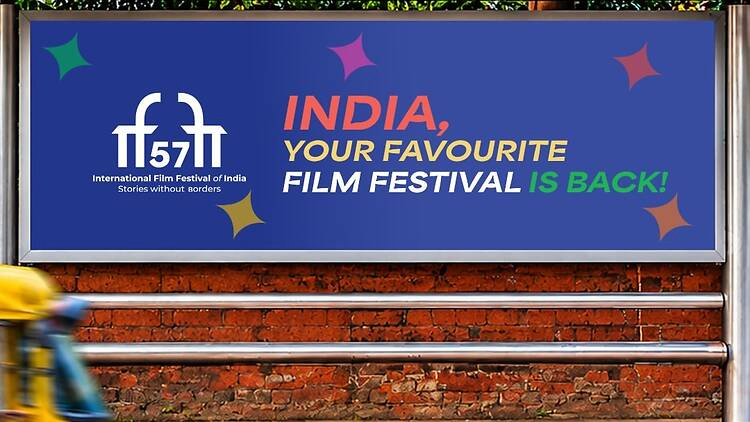
The 57th International Film Festival of India will bring screenings, workshops and industry conversations to Goa from November 20 to 28, 2026. Its accessibility preparations are an important part of that programme. A partnership announced on November 16 identifies Svayam, also called Swayam India, as an accessibility partner. The development matters because enjoying a film festival involves more than gaining entry to a cinema. People must also be able to find information, move between spaces, experience the films and take part in the discussions surrounding them.
This is a look at an earlier announcement whose practical relevance continues ahead of the festival, not a claim that a new initiative has just been launched. The available plans describe particular services and selected screenings. They should not be read as proof that every film, event or venue will offer an identical level of access. For visitors, the central issue is knowing which arrangements apply to the session they wish to attend and how those arrangements will be communicated.
A Partnership That Extends Beyond the Screening Room
The November 16 announcement places Svayam within a broader accessibility effort. The State Commission for Persons with Disabilities in Goa is identified as inclusion partner, while Yes We Too Can Charitable Trust, India Signing Hands and Billion Readers are included among the accessible-content partners. The collaboration brings together different forms of expertise. Physical access, interpretation, accessible versions of audiovisual work and reliable visitor information all matter, but no single partner can supply every part of the experience on its own.
This work should also be understood in the context of previous editions. Accessibility initiatives were present at earlier Indian film festivals, so the present partnership does not need to be described as a first-ever achievement. What matters in 2026 is the planned combination of services, their consistency and the ability of visitors to depend on them. A festival can promote inclusive cinema in its public identity, but the practical measure of inclusion is whether audiences can make informed choices and obtain the support being offered.
Accessible Films and the Importance of Clear Information
The Accessible India film section is designed to feature selected films with audio descriptions and Indian Sign Language support. Audio description supplies information about important visual details that cannot be conveyed through the soundtrack alone. Sign language can help make dialogue and related material available to some Deaf viewers. These services address different needs, and visitors should look for the arrangements listed for a particular title instead of assuming that every screening automatically offers both.
The festival also describes app-assisted audio description for selected Indian and international films through a technical partner. This has potentially useful implications for visitors who rely on a personal listening device. Yet the service raises practical questions that need answers for each screening: whether that film has an accessible track, whether the app supports the visitor's device, what equipment may be needed and how assistance can be requested if the service does not work as expected.
Planning a Screening Before Arriving
A screening schedule is most helpful when its accessibility information is specific. Visitors may need to know which performance offers an interpreted introduction, whether audio description is available and where wheelchair-friendly seating can be reserved. Some films have more than one screening, so the answer for one presentation should not automatically be applied to another. Up-to-date, title-by-title information allows people to plan around their own requirements without having to rely on general promotional language.
Opening Ceremonies and Industry Events
The festival plans live sign language interpretation at its opening and closing ceremonies. Selected masterclasses and press conferences are also expected to have interpretation. These commitments recognise that a film festival is a public forum as much as a collection of screenings. Announcements, conversations with artists and discussions about film craft are part of the event's cultural value. The word selected remains important, however, because interpretation has not been established for every scheduled industry session.
One of the planned masterclasses will examine the accessibility of feature-film exhibition in cinema theatres. Senthil Kumar, a co-founder of Qube Cinema Technologies, is scheduled to conduct this discussion. The subject connects a festival-level undertaking with challenges faced by permanent cinemas: how films are prepared, how accessibility technologies are delivered and how a venue explains its available facilities to audiences. The implications extend to distributors, producers and exhibitors well beyond the nine-day festival.
Why Filmmakers Should Pay Attention
Creators sometimes think about accessible presentation only after a film has been completed and invited to an event. A more reliable approach involves asking those questions while preparing distribution materials. Accessible audio, subtitles, interpretation requirements and information for potential audiences can all affect how a work is presented. Specific services will depend on budget, technology and exhibition arrangements, but treating them as planning considerations allows a production team to identify needs earlier and work with suitable partners.
Venues, Movement and Staff Assistance
The 2026 accessibility plan describes wheelchair-accessible spaces, restrooms and parking. It also provides for on-site sign language interpreters and sensitivity training for festival teams. These measures address the many stages between entering a venue and watching a film. Attendees may need information about accessible entrances, lifts, routes between locations, seat placement, registration desks and assistance during busy arrival periods. Physical access and good communication should work together rather than be treated as separate concerns.
The layouts of individual venues can differ, which makes advance confirmation especially important. Someone attending several sessions may need more time to move between them. An accessible entrance at one location tells visitors nothing definite about a different theatre. Clear venue-specific directions, visible staff support and accurate information about facilities can greatly reduce uncertainty. For those reasons, guests are best served by checking the arrangements for each selected event rather than relying solely on a general statement that the festival is accessible.
Digital Access Before Physical Arrival
The festival also plans to improve accessibility across certain parts of its website, mobile application, social media and other digital material. Registration, screening updates and changes in the daily programme often begin online, so the usability of these channels is not an optional extra. However, the stated commitment concerns certain areas, not a confirmed certification that every digital page is fully accessible. Organisers and users alike benefit from distinguishing a planned improvement from a feature that has been independently tested.
The Visitor's Practical Checklist
Anyone considering attendance between November 20 and 28 can narrow their planning to a small set of concrete questions. Which film or event will they attend, and at which venue? Is audio description, sign language interpretation or another service confirmed for that particular session? Does an accessible seat need advance arrangement? Can the relevant digital tool be used on their device? Who can assist if the advertised feature is unavailable when the screening begins? Asking early can help identify problems before they interrupt an otherwise enjoyable festival visit.
Audiences should also feel able to give specific feedback about services once the festival starts. The most constructive observations concern whether information was correct, equipment worked, interpreters were available where announced and staff were able to help. The quality of delivery cannot be verified before opening day. That limitation does not diminish the significance of the programme; it simply keeps the distinction between an announced commitment and an achieved visitor experience clear.
The Wider Standard for Inclusive Cinema
An accessible film festival can demonstrate practices that are relevant to commercial cinemas, independent venues, cultural centres and touring events. Viewers with disabilities are not only recipients of support; they are critics, filmmakers, professionals and contributors to the industry. Providing access to discussions, networking and professional learning therefore matters as much as providing access to the screen. Inclusion gains substance when people can participate in the cultural and working life of cinema, not merely observe a selected part of it.
The November 16 partnership remains a useful historical development because the proposed facilities are intended for a festival still ahead. Its importance should be measured by the reliability of the information and experiences available to visitors during the event. The ambition is straightforward: audiences should encounter fewer barriers when they try to share in the films and conversations presented in Goa. The lasting lesson will come from how effectively the various accessibility arrangements operate together during the festival and beyond.
PUBLISHED BY SUYASH PACHAURI, FOUNDER & OWNER, GLOBAL BOLLYWOOD | THE HOLLYWOOD SCOPE.