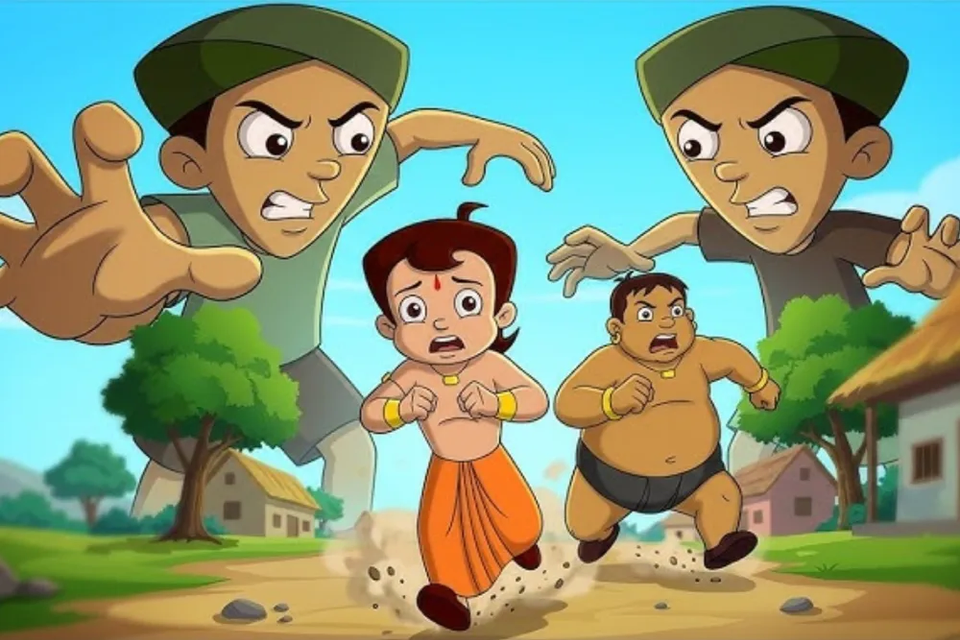
Streaming has changed the relationship between Indian publishing and screen entertainment, with authors increasingly writing toward adaptation and screen options sometimes paying more than years of book sales. That was the central business theme of a WAVES Film Bazaar discussion featuring publishing, animation, film and cultural-sector leaders. The conversation used Black Warrant and Chhota Bheem to show two very different routes from intellectual property to a screen audience.
One route begins with a book whose rights are optioned for film or television. The other begins with an animated programme and expands into features, merchandise, live experiences and publishing. Both reveal that the underlying idea can become more valuable than its first format, but only when creators understand rights, audience behaviour and the costs of building a durable franchise.
Screen options can exceed several editions of book income
Priya Kapoor, who has worked on books including Black Warrant, described a large financial gap between Indian English-language publishing and screen production. She placed a bestseller in that market at roughly 5,000 copies and said a screen option can pay an author more than five or 10 editions would generate, even if the adaptation is never produced.
That comparison explains why writers may design manuscripts with cinema or streaming in mind. Production companies also approach publishers looking for particular genres, including mythology, young-adult stories and hard-hitting non-fiction. The demand can create new opportunities, but it can also distort the publishing process when a screenplay is converted into a thin book only to establish underlying intellectual property.
Black Warrant followed an unusual path to publication
Black Warrant began with former Tihar Jail official Sunil Gupta sharing his experiences rather than delivering a finished manuscript. His recollections were recorded, transcribed and developed through editorial questioning before Sunetra Choudhury joined as co-writer. The chapters followed the way Gupta remembered events instead of being engineered as television episodes.
That organic structure later proved useful to screenwriters. Gupta also remained involved as the story moved to production, attending shoots and premieres while identifying scenes that did not happen exactly as shown. His experience illustrates a central tension in adaptation: factual sources can contribute authority, while filmmakers still use compression, invention and structure to create drama.
Chhota Bheem grew in the opposite direction
Rajiv Chilaka's Chhota Bheem started as television animation and expanded outward rather than beginning as a book. Over 18 years, the company behind the character has produced more than 1,000 episodes, over 100 television features, around five feature films and four spinoffs. The wider world includes about 2,000 characters and more than 1,000 licensed products.
Chilaka estimated that the property has generated business exceeding Rs 10 billion. That figure is a creator's estimate rather than a published audited account, but it communicates the scale of the ecosystem. The franchise now extends beyond broadcast into consumer products, live entertainment, cafes, public campaigns and global streaming.
Mighty Little Bheem shows the value of format reinvention
Mighty Little Bheem reimagined the hero as a baby and removed dialogue, allowing visual comedy to travel across language markets. The decision was a creative and commercial gamble, but it helped the series become a prominent preschool title internationally. The character design remained recognisable while the format changed for a younger, global audience.
The example shows that adaptation is not limited to transferring the same plot from page to screen. A successful property can be rebuilt for different ages, languages and viewing habits. The key is identifying the element audiences recognise. In this case, Bheem's strength and playful personality remained while dialogue, age and narrative structure changed.
Merchandising was part of the plan from the beginning
Chilaka explained that early animation budgets did not fully cover production costs, so home video, comics, merchandise and birthday experiences were considered from the start. That approach treated the programme as the centre of a larger consumer business. It also reduced dependence on a single broadcaster payment.
Franchise planning can support creative survival, but it introduces risk. Products require manufacturing, retail relationships and brand control. Too much licensing can weaken a character if quality varies or audiences feel that stories exist mainly to sell goods. Chhota Bheem's longevity suggests that continued content production and a large cast of characters helped the commercial extensions remain connected to an active screen world.
Rights and real-life stories need careful legal work
The panel also addressed projects based on public figures and firsthand accounts. A public life may be narrated by more than one filmmaker, but diaries, photographs and private family material can require separate permission. Competing claimants may emerge after a project is announced, creating costly legal uncertainty.
Creators and producers therefore need to identify exactly what they are buying. An option may cover a book's text without granting exclusive control over historical events. Life rights, archive access and private materials can each involve different agreements. Clear contracts protect authors and filmmakers while reducing the chance that production stalls after significant development spending.
India's adaptation market is becoming more deliberate
Film Bazaar initiatives that connect publishers with producers reflect a more organised search for adaptable material. Books can offer researched worlds, established characters and proof that an audience exists. Screen companies bring capital and reach, but they also need to preserve the central idea that made the source valuable.
The Black Warrant and Chhota Bheem examples show that there is no single route. A conversation can become a book and then a series, while a television character can grow into a multi-format business worth billions of rupees. The common requirement is disciplined ownership of intellectual property and a clear understanding of what changes when a story enters another medium.
For writers, the screen market can transform earnings but should not replace the purpose of writing a strong book. For producers, a recognisable title is only the beginning. Adaptation succeeds when the new format captures the source's essential appeal and builds an audience on its own terms.
PUBLISHED BY SUYASH PACHAURI, FOUNDER & OWNER, GLOBAL BOLLYWOOD | THE HOLLYWOOD SCOPE.