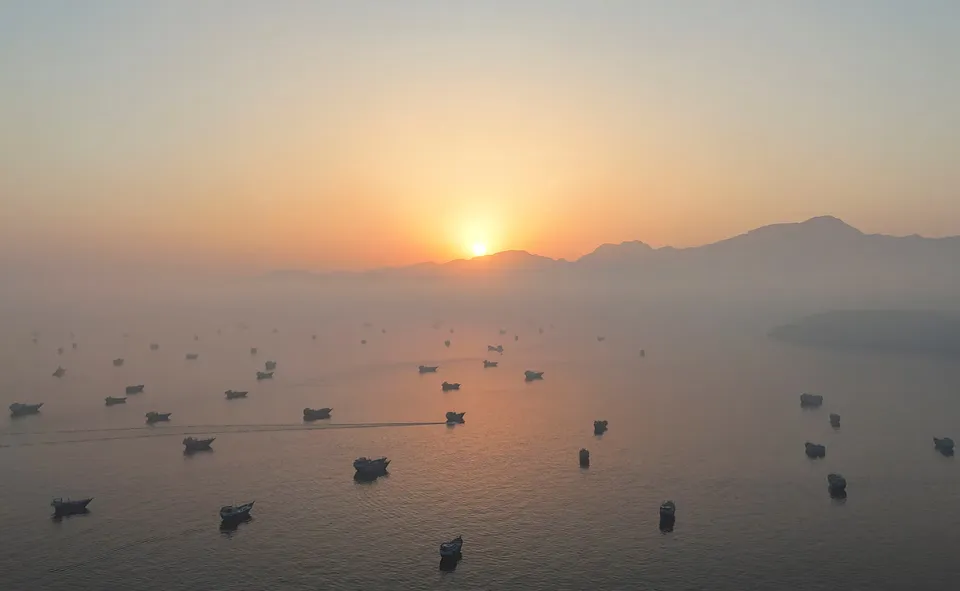
The Strait of Hormuz closure remains at the center of a high-stakes dispute after Iran said the waterway would not reopen until seven conditions from a June interim understanding with the United States are met. Tehran presented a proposal during the United Nations General Assembly that could restore normal maritime passage within seven days if both sides complete the required steps. Washington has responded through Qatari intermediaries, but officials indicate that the remaining disagreement concerns sequencing and verification rather than the broad components of a possible arrangement.
Why the Strait of Hormuz Closure Matters Globally
Before the conflict that began at the end of February, roughly one fifth of the world's oil and liquefied natural gas moved through the narrow passage. Producers in the Gulf depend on it to reach customers in Asia and Europe, while refiners and utilities depend on reliable shipping schedules. Even when cargoes continue through alternative routes, uncertainty raises insurance costs, delays vessels and forces companies to hold more inventory. The result can appear in fuel and electricity prices far from the Middle East.
Iran's parliament speaker and chief negotiator, Mohammad Baqer Qalibaf, said the country's position was firm and rejected what he described as one-sided demands. A foreign ministry spokesperson said Tehran had communicated broad reactions to the American response and still had additional points to convey. Those statements suggest that diplomacy remains active, but they also show how public messaging can narrow room for compromise. Each side wants to avoid appearing to concede under pressure.
The Iran Seven Conditions Dispute Is About Sequence
Negotiations of this kind often fail over who acts first. One side may want the waterway reopened before easing sanctions or changing military posture, while the other may demand visible relief before restoring passage. A phased plan can bridge that gap by pairing simultaneous, verifiable actions. Examples could include limited shipping windows, monitored security steps and conditional licenses that expand only after compliance. The key is to ensure that each stage can be confirmed and that violations have defined consequences.
Nuclear Questions Remain Outside Tehran's Stated Focus
Iran has denied offering access for international nuclear inspections in exchange for sanctions relief and says the current phase is focused on the waterway. Yet the June understanding included provisions connected to both maritime security and the nuclear program. That overlap makes separation difficult. Washington may view inspections as essential to a broader trust-building process, while Tehran may fear that adding nuclear demands will delay an urgent shipping agreement. Mediators will need to decide whether the issues can move on parallel tracks.
Qatar's role is important because indirect diplomacy depends on a channel trusted enough to carry precise messages. Small wording differences can change the meaning of a sequence, deadline or inspection rule. A mediator can test options privately and prevent public rhetoric from becoming the only available position. However, Qatar cannot supply political will. The United States and Iran must ultimately accept a mechanism that each can defend domestically.
Energy Markets Need More Than a Temporary Opening
A seven-day path to reopening would ease immediate pressure, but companies will look for evidence that passage can remain secure. Tanker owners need predictable rules of navigation, insurers need a lower probability of attack or seizure, and energy buyers need confidence that contracts will be delivered. A fragile ceasefire can reduce prices briefly while leaving the underlying risk premium intact. Lasting normalization requires communication procedures, monitoring and a way to investigate incidents without automatically escalating them.
The consequences also extend beyond crude oil. Liquefied natural gas cargoes affect electricity generation and industrial costs, while delays in refined products can tighten diesel and aviation-fuel markets. Countries with limited strategic reserves are especially vulnerable. Governments may respond by diversifying suppliers, expanding storage or accelerating domestic energy projects, but those adjustments take time and can be expensive.
The Strait of Hormuz closure is therefore both a security crisis and an economic test. The outlines of a negotiated path appear to exist, yet the order of actions remains unresolved. A workable agreement must reduce the risk of miscalculation, provide verification and give both sides a reason to continue complying after the first ships pass. Shipping companies will also need clear notices, protected communication channels and consistent treatment of vessels from different countries. Until that structure is accepted, global energy markets will remain exposed to decisions made around one of the world's most consequential maritime chokepoints.
PUBLISHED BY SUYASH PACHAURI, FOUNDER & OWNER, GLOBAL BOLLYWOOD | THE HOLLYWOOD SCOPE.