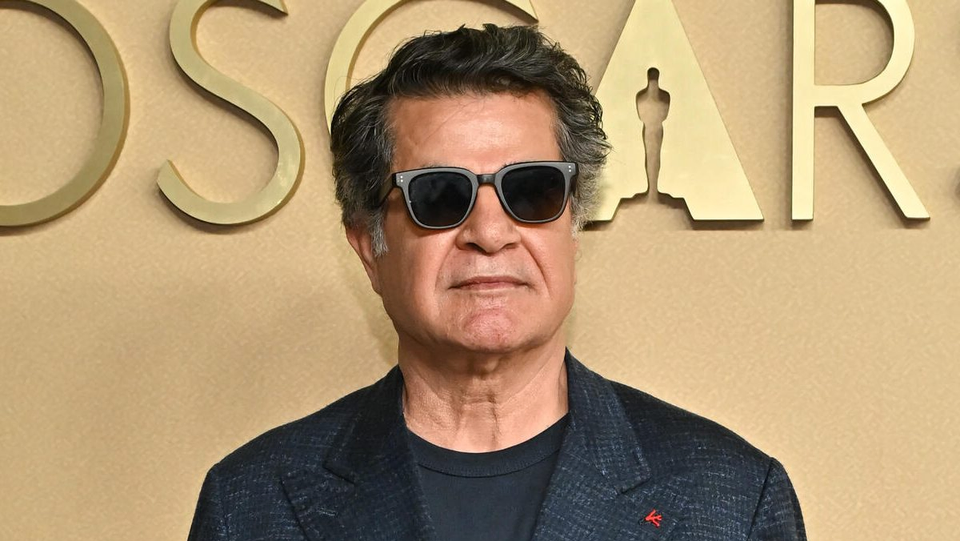
A growing appeal brings major filmmakers together
Martin Scorsese, Juliette Binoche, Agnieszka Holland, Walter Salles and Julie Delpy have joined an expanding international statement opposing the prison sentence and financial restrictions imposed on Iranian filmmaker Jafar Panahi. The coordinated appeal is approaching fourteen hundred signatures, turning an earlier protest into a broad mobilisation across directing, acting, producing, festivals and European film institutions.
New supporters also include Christine Vachon, Ted Hope, Karim Aïnouz, Isabel Coixet, Alex Winter, Marie Kreutzer, Rodrigo Sorogoyen and Apichatpong Weerasethakul. Their participation matters because the campaign now connects different generations, countries and sections of the film economy. It is not merely an awards-season gesture, but a collective demand that Panahi be allowed to work, travel and defend himself without intimidation.
The legal measures reach beyond imprisonment
Panahi was sentenced to five years and one month in prison, while the ruling also included confiscation of assets, a travel ban and restrictions on social-media activity. His bank accounts were frozen, and the precise basis of the latest charges remains unclear. The decision can be appealed, but financial restrictions complicate the practical ability to mount a defence and continue professional activity.
The case therefore concerns more than the length of a sentence. It affects personal security, property, movement, communication and the ability to make films. When those pressures operate together, they can silence an artist even before imprisonment is enforced. The appeal asks the relevant court to reverse the measures and honour the country’s international obligations on expression and civil rights.
Panahi’s cinema has long resisted enforced silence
Panahi’s career has repeatedly transformed limitation into cinematic form. Restrictions on travel and filmmaking did not end his work; instead, they shaped films that examined confinement, social control and the gap between official narratives and lived reality. His international reputation rests not only on festival recognition, but on an artistic method that keeps ordinary Iranian lives visible without treating them as abstract political symbols.
That history explains why the latest sentence resonates so widely inside the film community. Punishing Panahi is understood as a warning to other artists who document contradiction or challenge authority. Solidarity with one filmmaker becomes a defence of the conditions that allow cinema to function as memory, criticism and public conversation. The signatories are protecting an individual while also confronting a broader pattern of cultural pressure.
Why prominent names can change the pressure
Famous signatories cannot decide a legal appeal, but they can prevent the case from disappearing. Their involvement draws attention from distributors, festivals, cultural institutions and governments that might otherwise treat the sentence as a distant domestic matter. Visibility also offers a degree of protection by making future actions easier to document and harder to carry out without international scrutiny.
The campaign’s strength lies in its institutional breadth. Individual celebrity support can fade with the news cycle, while participation from academies, producer organisations and festival leaders can sustain advocacy through screenings, statements and professional networks. A coordinated response is more difficult to dismiss as personal friendship or temporary outrage. It frames Panahi’s treatment as a question for the international cultural community.
The appeal must remain focused on verifiable demands
Effective solidarity requires accuracy. The charges are not fully public, the sentence remains subject to appeal and Panahi’s current legal position should not be exaggerated. The strongest case is built from confirmed measures: the prison term, asset confiscation, blocked accounts, travel restrictions and continuing pressure on his filmmaking. Clear facts protect the campaign from claims that it is driven by misinformation.
The same discipline applies to the language of support. Panahi should not be reduced to a symbol whose work disappears behind his persecution. His films are the reason the punishment carries global significance. Defending his freedom means defending his ability to keep creating specific, formally adventurous cinema, not simply turning his name into a convenient slogan for institutions seeking moral visibility.
What comes next
Attention now moves to the appeal process and whether the financial and travel measures are lifted. The international coalition can maintain pressure by documenting each legal development, supporting access to representation and ensuring that Panahi’s films remain visible through lawful screenings and discussion.
The approaching fourteen hundred signatures demonstrate unusual unity, but the campaign cannot be measured only by its size. Its real purpose is a concrete change in Panahi’s circumstances and a wider defence of artists facing punishment for their work. Continued accuracy, institutional commitment and public attention will determine whether this moment of solidarity produces lasting protection.
PUBLISHED BY SUYASH PACHAURI, FOUNDER & OWNER, GLOBAL BOLLYWOOD | THE HOLLYWOOD SCOPE.