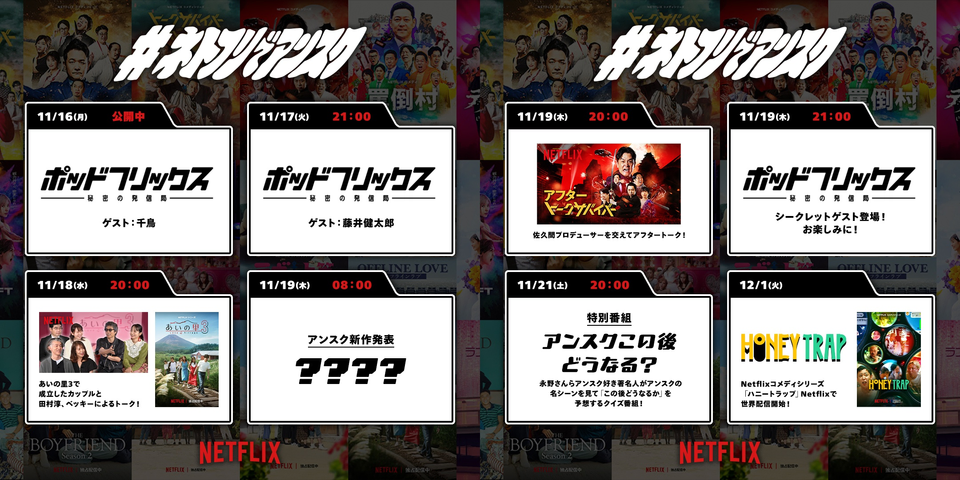
The Japanese unscripted lineup introduced on November 17, 2026 offers a more useful story than a single premiere announcement. Netflix outlined relationship series, comedy formats, performance contests and future projects as parts of a growing international catalogue. This article revisits that announcement as a historical industry development, making clear which programmes can be watched today and which still await release dates. It also separates the original presentation from later additions to the lineup.
An important distinction is the difference between a promotional campaign and an actual debut. Social appearances and cast conversations may increase awareness of existing shows without confirming another season. Likewise, an announcement that a production is planned for 2027 does not establish an exact month. A trustworthy guide records the difference and avoids repeating an old marketing event as though it happened in the present.
Original production becomes a continuing strategy
Japanese unscripted television can explore emotional connection, improvised comedy, interpersonal friction or competitive achievement. The genre is not one consistent product. From 2022 onward, Netflix placed greater emphasis on originals developed and produced in Japan, moving beyond an earlier focus on access to existing hits. The announced figures indicate five new Japanese unscripted titles in 2025 and another five in 2026. Repetition across two years suggests a pipeline, although output alone says little about artistic accomplishment.
The international challenge is to make these productions understandable without erasing their cultural context. Conversations may carry meanings shaped by Japanese social expectations, while humour can depend on timing and shared references. Subtitling and presentation can widen access, but the programme's identity should remain visible. A worldwide audience is most likely to remember a format for the specific personalities and relationships that distinguish it, not merely because it belongs to a familiar streaming category.
A varied catalogue rather than one reality formula
The Boyfriend is an established relationship-led title with two seasons available around the world. Season two received the Best Non-English LGBTQ TV Show honour at the seventeenth Dorian TV Awards. The programme offers one entry point for viewers interested in shared spaces and developing connections. Awards recognition is meaningful cultural evidence, but it should not be mistaken for a guarantee that every audience will respond to the show's pace or emotional approach.
Badly in Love has two seasons in the announced catalogue as well, though its tone and dynamics are different. Its first season won Best Reality and Variety at the 2026 Global OTT Awards. Love Village is listed through season three, extending the choice among ensemble relationship shows. Each title should be considered on its own terms rather than grouped into a generic recommendation. Casting, structure and editing decisions strongly influence what viewers experience.
Comedy and competition expand the picture. Last One Standing and Kiss or Die occupy a different part of the lineup from the relationship programmes, while Final Draft offers a survival or competitive dimension. Those distinctions matter when asking why Japanese unscripted content might find international audiences. Someone attracted to comedians testing their improvisational instincts may want a very different experience from a viewer following relationships over several episodes.
The audience growth figure needs careful interpretation
The November presentation states that worldwide viewing hours for Japanese unscripted programmes rose 3.5 times from 2021 to 2025. This describes a category over several years, not the launch results of a particular production. Viewing time may grow because there are more programmes, because returning series hold attention, or because new releases attract larger audiences. The summary does not provide a complete breakdown capable of separating these explanations.
Hours watched should not be recast as a count of unique viewers or subscribing households. Nor should the statistic alone be used to rank one series above another. Its proper significance is broader: an audience for Japanese unscripted programming has expanded, and the service has responded with more original formats. Whether that growth remains durable will depend on the quality of future seasons, audience satisfaction and the appeal of the new programmes when they finally arrive.
Honey Trap is the confirmed December destination
Honey Trap is scheduled for worldwide availability on December 1, 2026. Created and directed by Kentaro Fujii, it is a five-episode ensemble prank entertainment series. Its presentation suggests an interest in group reactions and unpredictable interpersonal behaviour. The finished episodes will be necessary to judge the humour and the ethical balance of the premise. The separate Honey Trap announcement is already covered on the website, so this guide includes it only for a complete viewing calendar, not as a duplicated news item.
Two projects point toward 2027
AK-69 presents HIP HOP SURVIVAL AUDITION has been placed in the 2027 global lineup. It connects musical performance with an audition or survival-style structure, although the announcement does not establish a specific release day. For production observers, the project suggests that Japanese unscripted development is not limited to dating and comedy. For viewers, the practical conclusion is simply to watch for a future official schedule rather than rely on an invented premiere date.
Summer Replay was added later
Summer Replay is identified in the English-language lineup as an addition made on November 20, after the original November 17 announcement. It follows men and women who put their ordinary routines aside for one summer and attempt to begin something new. Worldwide streaming is planned for 2027, with no precise launch date confirmed on the current page. The later update is included here to keep the guide useful, but it is not presented as information announced on November 17.
Online activity was a campaign, not a new-season guarantee
The accompanying promotional activity included Japanese-language podcasts, reunions and comedy-related conversations during the week starting November 16. Such appearances give audiences ways to remain engaged with participants and creative teams after watching a series. By November 22 those scheduled activities had already passed. Their significance now is historical: they illustrate how streaming companies extend audience conversations beyond episodes, without proving that a renewal, an additional season or a changed release date has been confirmed.
The craft and responsibility behind spontaneous entertainment
Unscripted productions are shaped by deliberate choices. Location, casting, rules, filming arrangements, editing rhythm and music influence the atmosphere even where participants are responding naturally. Reality television can therefore demand as much editorial discipline as other forms of screen storytelling. The expanding slate also makes participant welfare, informed consent and the treatment of emotional reactions questions worth examining. Advance publicity does not contain enough evidence to judge how an unreleased programme addresses them.
The practical viewing guide is straightforward as of November 22. Established seasons of The Boyfriend, Badly in Love and Love Village are available; comedy and competition programmes offer different experiences. Honey Trap has a December 1 date. Summer Replay and the hip-hop audition project remain within the 2027 outlook without exact days. The lasting issue is whether distinct Japanese formats continue to offer creative identities strong enough to interest viewers beyond their initial promotion.
The most valuable conclusion from the November announcement is therefore one of direction rather than instant success. Japanese unscripted television is being developed as a portfolio rather than an occasional imported novelty. Awards and audience figures make that direction worth following, but the eventual work must be evaluated episode by episode. Historical coverage remains worthwhile when it preserves accurate dates, explains the creative context and leaves unresolved details honestly unresolved.
PUBLISHED BY SUYASH PACHAURI, FOUNDER & OWNER, GLOBAL BOLLYWOOD | THE HOLLYWOOD SCOPE.