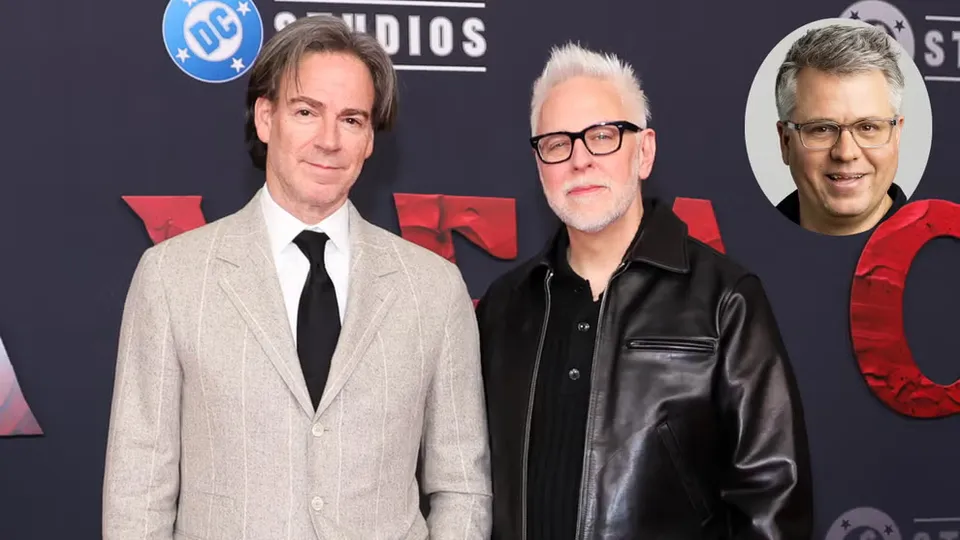
DC Studios is preparing a leadership transition after the appointment of Jeremy Latcham as its incoming president and chief creative officer. The move was announced on November 9, 2026, and is scheduled to take effect on December 1. James Gunn and Peter Safran will step away from their positions as joint studio leaders after four years and focus again on filmmaking and production. This is a change in executive responsibility, not evidence that either creative professional has left the world of DC storytelling.
The transition draws attention because Latcham has an established background in major comic-book productions. He brings experience from Marvel Studios to a company seeking to coordinate film, television and animation while retaining the character of individual projects. A leadership announcement may influence how work is organised, but it does not confirm rumours about a particular movie being cancelled or a cast being replaced. Those questions require project-specific information that has not been established by the appointment.
Jeremy Latcham's New Role at DC Studios
Beginning December 1, Latcham is expected to take responsibility for the studio's creative direction. His title combines the duties of president with those of chief creative officer, reflecting the importance of both management and storytelling judgment. Film, television and animation projects are all within the broad scope of DC Studios. The exact way particular decisions will be delegated can only be understood as the new leadership structure takes shape.
A company with recognisable characters and multiple production partners requires careful planning. Scripts, production timelines, budgets and release strategies must be coordinated without taking away the creative identity of individual films. Latcham's remit makes him a central figure in that process. However, the announcement does not establish an entirely new release calendar, nor does it provide a list of immediate changes to films or series already underway.
What James Gunn and Peter Safran Will Do Next
Gunn and Safran are returning to full-time creative work after four years leading the studio. Their roles have combined filmmaking judgment with broader corporate responsibility during a period of change at DC. The public statement characterises their transition as a move back towards the work of making stories. It should not be recast as proof of a dispute when the confirmed information describes a planned handover.
Their continued careers are relevant to the future of DC because both have been associated with the design and production of its recent creative direction. At the same time, a decision to step aside from executive jobs does not automatically confirm participation in every future project. Individual credits, production arrangements and commitments will need their own announcements. For viewers, that distinction is essential to understanding the difference between a management reshuffle and a creative departure.
A Career Shaped by Superhero Filmmaking
Latcham previously worked at Marvel Studios, where he was associated with important projects in the development of large-scale superhero cinema. His experience includes involvement with Iron Man, The Avengers and Spider-Man: Homecoming. Those productions help explain why his appointment will be closely watched by industry professionals. They also illustrate the importance of managing stories that have individual dramatic goals while sharing characters or an interconnected fictional context.
Experience offers useful preparation, but it does not guarantee outcomes. Every company has its own culture, existing commitments and creative partnerships. DC's history, characters and audience expectations are different from Marvel's. Latcham's challenge will be to apply organisational experience without treating the brands as interchangeable. The effectiveness of that approach will eventually be measured through the quality and reception of completed work rather than by a familiar name on a leadership announcement.
The Balance Between Continuity and Change
The new management will inherit a mixture of projects at different stages of development. Some decisions may already have been made, while others could await assessment as the leadership change proceeds. That is normal for a creative organisation, but the available announcement does not authorise claims about specific rewrites, replacement directors or abandoned titles. A disciplined reading of the news concentrates on what has happened rather than turning uncertainty into a false story.
A studio benefits when creators understand the broad direction but still have freedom to develop distinctive ideas. Superhero films in particular face pressure to serve both the immediate narrative and long-term expectations. Television and animation introduce additional possibilities and complications. Latcham's role will involve determining how different projects fit together and where each should stand on its own merits. Such judgments often become visible only over several productions.
What Changes on December 1
The appointment date is an administrative milestone, not the premiere date of a film or an announced launch for a new franchise strategy. It is the point when the incoming executive is scheduled to assume the named responsibilities. Management transitions can involve reviews and new discussions, but nothing in the basic appointment confirms that audiences will see an instant shift in the content of an existing release.
The first substantial clues may come through subsequent project statements, appointments and decisions about development. Industry observers should distinguish official confirmations from speculation shared online. Films can remain on established production tracks during a handover, while new ideas are assessed for a longer horizon. Without verified changes to individual projects, it would be misleading to describe the transition as a wholesale cancellation or restart of DC's creative plans.
Why the Wider Industry Is Watching
The leadership of a major comic-book studio influences more than a single release. Characters can appear in theatrical films, series and animated productions, while each medium has different audience habits and commercial structures. Coordinating those activities demands clear responsibility for decisions. Latcham's experience makes the appointment significant, but the wider market will also be interested in how writers, directors and producers respond to the studio's evolving structure.
From a filmmaking perspective, the core concern remains the same: individual stories must be compelling before broader connections can matter. An executive may set priorities and create the conditions for strong work, yet artists and technicians ultimately transform those plans into finished experiences. The coming period will show whether the balance between coordination and creative individuality can be sustained through a leadership change.
The Next Chapter for DC
DC Studios now has a scheduled handover, a named incoming chief and a clear statement that Gunn and Safran intend to concentrate on creative work. These are the material facts of the November 9 announcement. The ambitions of the next era, the fate of individual projects and the practical effects of new management remain matters for later verified developments.
For viewers and professionals, the useful approach is to follow confirmed decisions and the films and series they produce. Latcham's appointment is an important organisational milestone, but it is not an artistic verdict on work that has yet to be released. The quality of future DC storytelling will provide the evidence needed to assess this new chapter.
PUBLISHED BY SUYASH PACHAURI, FOUNDER & OWNER, GLOBAL BOLLYWOOD | THE HOLLYWOOD SCOPE.