Luca Guadagnino’s Artificial is moving into the international festival spotlight, with major presentations planned at the New York Film Festival and the BFI London Film Festival as the Sam Altman drama draws wider attention beyond Silicon Valley.
The film centers on one of the most closely watched corporate upheavals in recent technology history: the removal and rapid return of Altman as chief executive of OpenAI. Andrew Garfield leads the project as Altman, giving the story a high-profile screen presence while Guadagnino brings his character-focused approach to a subject often framed in technical terms.
The festival rollout matters because Artificial arrives while artificial intelligence is reshaping film, media, education, business, politics, and the structure of creative work itself. That gives the project a level of topical relevance rare for a prestige drama before audiences have seen a single frame.
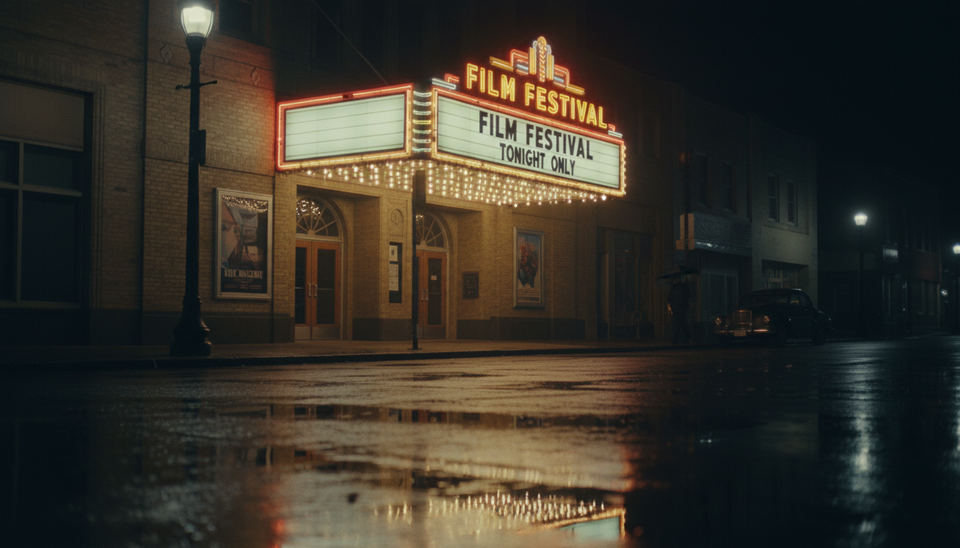
Artificial is headed for two major festival stages
Artificial is set for presentations at both the New York Film Festival and the BFI London Film Festival, placing the film in front of two influential festival audiences.
For a drama built around recent events inside OpenAI, the selection gives the film an early platform in two major cultural centers. New York and London are also important media markets, making them natural places for a movie about technology, institutional power, and public trust to begin defining its reputation.
The Artificial movie arrives in a festival corridor that often shapes how ambitious dramas are discussed before wider release. A strong showing at the New York Film Festival or the London Film Festival can help establish a film’s critical identity, build early awards attention, and clarify how distributors or partners present it to general audiences.
The move also gives Artificial a chance to be discussed as more than a dramatization of a news cycle. The Altman story touched issues that remain unresolved across the AI industry, including who gets to steer powerful systems, how fast companies should move, and how much confidence the public should place in private technology firms.
The film turns a Silicon Valley crisis into character drama
The central event behind Artificial remains unusually cinematic for a recent technology story.
In November 2023, OpenAI’s board removed Sam Altman as chief executive. The decision set off immediate turmoil inside the company and across the wider technology industry. Altman returned within days after intense internal and external pressure, and the episode quickly became a defining moment in the public understanding of AI governance.
The story had the mechanics of a boardroom drama, but its stakes reached much further. OpenAI had already become one of the most visible companies in the global AI race. Its products and research had shaped public debate around chatbots, automation, creative labor, classroom use, workplace change, and regulation.
That gives Artificial a subject with built-in urgency. The film is not only about artificial intelligence as software. It is about the people, loyalties, incentives, and structures around a company with enormous influence.
The drama also asks a question that has followed the AI industry for years: when a company builds systems that may affect billions of people, who has the authority to make the most important decisions?
Andrew Garfield gives Sam Altman a dramatic face
Andrew Garfield’s casting as Altman gives the project a clear dramatic anchor.
Garfield has moved between large studio films, stage work, independent dramas, and prestige projects. In Artificial, his role places him at the center of a story that depends less on technological spectacle than on tension between people under pressure.
That matters for a film about OpenAI. Much of the public record around the Altman episode played out through statements, reporting, internal alignments, and governance shifts. Cinema has to translate those events into behavior, mood, and conflict. Garfield’s performance will likely shape how audiences understand Altman not just as a tech figure, but as a protagonist in a fast-moving institutional crisis.
The phrase Andrew Garfield Sam Altman is already a shorthand for the project’s main draw. It pairs a recognizable actor with one of the most visible figures in artificial intelligence, a combination that can bring general viewers into a subject they may know only through headlines.
The challenge is balance. A film about a living public figure must avoid reducing complex events to a simple hero story or villain story. The strongest version of Artificial would treat the OpenAI conflict as a clash of incentives, values, and personal relationships, not only a dispute over one executive’s job.
Guadagnino’s approach may separate Artificial from a standard tech drama
Luca Guadagnino is not an obvious fit for a conventional corporate procedural, which may be the point.
The director is known for intimate, sensory, character-driven filmmaking. His work often focuses on desire, identity, ambition, and the emotional charge between people. That background could make Artificial distinct from earlier screen stories about technology companies, which often depend on rapid dialogue, legal conflict, and origin-story structure.
With Guadagnino, the material may lean toward atmosphere and psychology. The most compelling question may not be how a product was built, but how power moved among people who believed they were shaping the future.
That is a natural route into the Altman episode. The OpenAI drama raised questions of trust, loyalty, purpose, and institutional design. Those questions are suited to performance and direction, not just exposition.
The subject also gives Guadagnino a chance to explore the emotional side of a field often described in detached language. Artificial intelligence can sound abstract in policy papers and product announcements. A film can make the human pressures visible.
The timing gives the film unusual relevance
Artificial reaches festivals at a moment when AI is no longer a niche technology subject.
AI tools now affect screenwriting debates, visual effects workflows, journalism, software development, education, customer service, music, publishing, and political communication. In Hollywood, AI has also become part of larger labor conversations about consent, compensation, authorship, and the protection of performers and writers.
That gives the film a larger frame than the events at one company. Artificial can be read as a story about governance in an age when private technology decisions can quickly become public concerns.
The film’s timing also creates a rare overlap between current affairs and prestige cinema. Many dramas about powerful institutions arrive years or decades after the key events. Artificial is emerging while the public conversation around AI is still moving quickly.
That speed carries risk. Audiences and critics may judge the film against events still fresh in memory. New developments in AI policy, corporate competition, and regulation could change the public mood by the time the film reaches a wider audience.
At the same time, the immediacy gives the project a clear advantage. Viewers do not need to be convinced that AI matters. They are already living with its effects.
The festival response could shape the film’s commercial path
The project has already followed an unconventional industrial path after an earlier studio arrangement changed. That makes the festival response more important than it might be for a film with a simple release plan already locked in place.
Festivals can help define a film’s next chapter. They can draw buyers, strengthen distribution conversations, build press momentum, and shape the first wave of critical reaction. For a film like Artificial, the response from New York and London could affect how the movie is positioned commercially.
If critics respond to the film as a serious drama rather than a quick production built around a headline, it could gain stronger footing as a prestige release. If viewers connect with Garfield’s portrayal and Guadagnino’s handling of the material, the film may reach beyond technology insiders.
The challenge is that Artificial sits between several categories at once.
Key element | Why it matters |
Recent news subject | The Altman episode is still familiar and politically charged. |
High-profile actor | Garfield gives the film access to a broad audience. |
Auteur director | Guadagnino brings a distinct filmmaking identity. |
AI subject matter | The topic connects directly to debates across culture and labor. |
Festival launch | Early reception may shape distribution and awards positioning. |
That mix can help the film stand out, but it also raises expectations. A standard recounting may not be enough. Festival audiences will likely look for a point of view on power, accountability, and the mythmaking around technology leaders.
Artificial fits a growing interest in recent tech history
Hollywood has often turned business conflict into drama, especially when the story combines money, personality, ambition, and public consequence. Technology companies have become a steady source of that material.
The difference with Artificial is timing and subject. Many previous tech dramas looked backward at founders, platforms, scandals, or legal battles after public understanding had settled. The OpenAI story remains active because AI itself remains unsettled.
That makes Artificial part of a newer kind of tech drama. It is not only documenting the rise of a company or the fall of a leader. It is dramatizing a moment when society is still trying to decide what kind of power AI companies should have.
The film also arrives as Silicon Valley figures increasingly function as public characters. Their decisions shape markets, government debates, education systems, and cultural anxieties. The Altman episode showed how quickly a company leadership dispute could become a global news event.
In that sense, Artificial reflects a wider shift. The inner life of a technology company is no longer seen as private business news. It is material for political debate, labor concern, and now major cinema.
What comes next for Artificial
The next major test for Artificial will be its reception in New York and London.
Those festival audiences will help answer several early questions. Does the film work as drama for viewers who followed every twist of the OpenAI crisis? Does it make the story clear for those who only know the broad outline? Does Guadagnino find a cinematic shape for events that unfolded through boards, investors, employees, and public statements?
The answers could determine whether Artificial becomes a prestige title with a strong cultural afterlife or a narrowly topical film tied to one news event.
For now, the project’s position is clear. Artificial brings together Luca Guadagnino, Andrew Garfield, Sam Altman, OpenAI, artificial intelligence, film festivals, and Hollywood at a moment when each part of that equation carries unusual weight.
A strong response at the New York Film Festival and the BFI London Film Festival would place the film at the center of a larger conversation about technology and control. It would also confirm how quickly Silicon Valley’s recent history has become material for cinema, not years later, but almost in real time.
PUBLISHED BY SUYASH PACHAURI, FOUNDER & OWNER, GLOBAL BOLLYWOOD | THE HOLLYWOOD SCOPE