A Rapidly Expanding Public Health Emergency
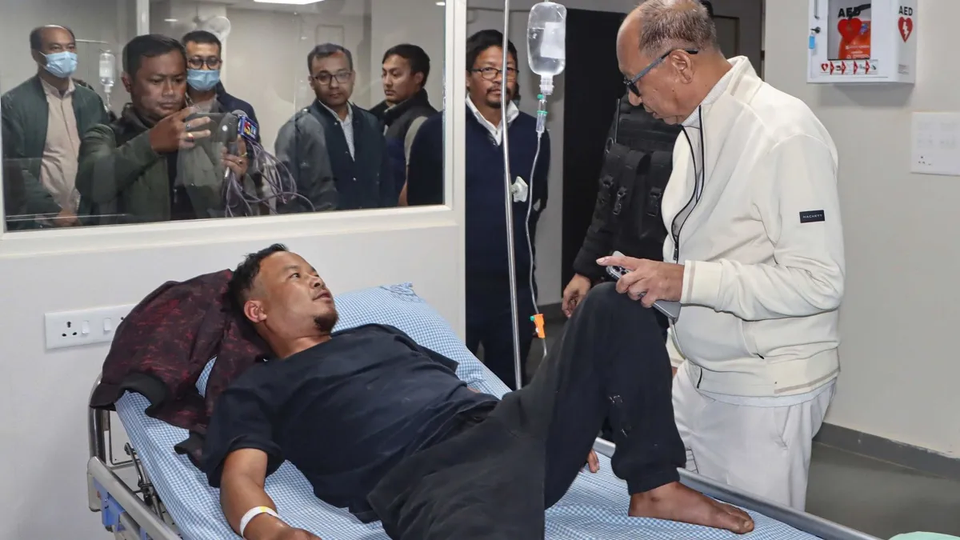
The death toll in a suspected spurious liquor tragedy in Manipur's Chandel district has risen to 16, while around 600 people have been admitted to government and private hospitals. Twelve patients were reported to be receiving intensive care in Imphal, raising concern that the number of deaths could increase. The scale of hospitalisation has transformed what began with two reported deaths into a major health and law-enforcement emergency across several communities.
Officials believe the illnesses are connected to adulterated alcohol consumed in and around Chakpikarong subdivision, but the precise toxic substance has not yet been confirmed. Medical findings and laboratory tests remain essential before authorities can state the cause conclusively. That distinction matters because different contaminants require different treatment, contact tracing and investigation of the supply chain.
Hospitals Mobilise as Serious Cases Continue
Patients have been taken to facilities including District Hospital Chandel, Community Health Centre Chakpikarong, the Regional Institute of Medical Sciences, Jawaharlal Nehru Institute of Medical Sciences and private hospitals in Imphal. Health teams are monitoring conditions, arranging referrals and issuing public advisories. At one screening centre in Sugnu, 121 people were examined, with forty showing mild symptoms and three assessed as serious. All forty-three symptomatic patients were referred for further evaluation.
Large alcohol-poisoning events can strain emergency services because symptoms may appear at different times and deteriorate rapidly. Medical teams need accurate information about when and where a drink was purchased, the amount consumed and whether unopened samples remain available. Hospitals must also distinguish toxic alcohol exposure from other causes of nausea, visual problems, breathing difficulty or organ damage. Early treatment can be decisive, so public warnings should encourage anyone with possible exposure to seek care rather than wait for severe symptoms.
Six Arrests and a Supply Chain Under Investigation
Police have arrested six people in a case registered under provisions dealing with causing death by negligence, adulterating food or drink intended for sale and selling noxious products. Investigators said the liquor was not manufactured in Chandel but was procured from neighbouring Kakching district. Police, district and excise teams are visiting affected locations, hospitals and suspected points in the distribution network.
The investigation will need to establish who produced the alcohol, who transported it, where it was sold and whether sellers knew it was unsafe. Packaging, containers, payment records and witness accounts may help trace batches across villages. Laboratory analysis can identify contaminants and compare samples taken from homes, shops and storage sites. Authorities must also avoid assuming that every illness came from one source until evidence links the cases.
Why Illicit Alcohol Can Become Deadly
Unregulated liquor can contain dangerous concentrations of methanol or other industrial chemicals, either through improper production or deliberate adulteration. Methanol is particularly dangerous because the body converts it into compounds that can damage the eyes, brain and other organs. Victims may initially appear intoxicated before developing severe illness, which can delay recognition of a poisoning cluster.
The tragedy also reflects the economic and regulatory conditions that allow unsafe alcohol to circulate. Informal products may be cheaper or easier to obtain, especially in communities where enforcement is inconsistent and licensed supply is limited. Raids after deaths can remove immediate stock, but long-term prevention requires surveillance, community reporting, prosecution of repeat suppliers and reliable treatment capacity. Public messaging must be specific enough to identify suspected products without spreading unconfirmed rumours about communities or legitimate businesses.
What Authorities Need to Confirm Next
The most urgent questions are the laboratory result, the number of people exposed and whether contaminated stock remains in circulation. Officials should publish verified updates on deaths, intensive-care cases, arrests and recalled products so families can act on accurate information. Hospitals also need coordinated reporting to prevent the same patient from being counted twice and to identify delayed cases in neighbouring districts.
Accountability must follow evidence, but speed is vital when hundreds may have consumed the same substance. A complete response should connect medical treatment with criminal investigation and prevention. Families need information about symptoms and where to obtain care, while investigators need preserved samples and transparent chain-of-custody procedures. The rising toll shows that this is not only a policing story. It is a public health disaster whose final impact will depend on how quickly authorities locate the source, protect remaining consumers and support overwhelmed medical teams.
The response should continue after the immediate crisis fades. A public review can examine licensing, inspections, intelligence sharing between districts and whether earlier warnings were missed. Compensation and follow-up care may be necessary for survivors who develop lasting organ or vision damage. Publishing lessons from the investigation would help other states recognise similar clusters sooner. The goal should not be a short burst of raids, but a safer system that prevents another community from learning about a toxic supply only after families begin arriving at emergency wards. Survivors and bereaved families will need transparent answers.
PUBLISHED BY SUYASH PACHAURI, FOUNDER & OWNER, GLOBAL BOLLYWOOD | THE HOLLYWOOD SCOPE.