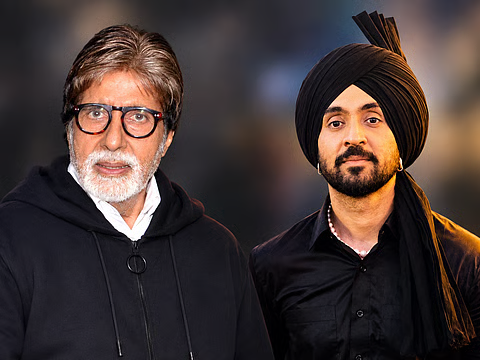
Mumbai Police are investigating a threat email that named several locations and public figures, including Amitabh Bachchan's home Jalsa and Diljit Dosanjh's scheduled concert at Mahalaxmi Racecourse. The message was received by civic authorities on November 26 and contained claims about possible attacks at the mayor's office, metro locations and the concert. Police searches did not find anything suspicious, and the authenticity of the email remained unverified.
The timing increased concern because the message arrived on the anniversary of the 2008 Mumbai attacks and before Dosanjh's November 27 concert. Authorities strengthened security and began legal and technical inquiries to identify the sender. The responsible public account must keep two facts together: the threats were treated seriously, but no explosive device or other suspicious material was found during the reported checks.
What Mumbai Police confirmed after the email
Police acknowledged that the civic body received a threatening message and said searches were conducted. A senior officer stated that nothing suspicious had been discovered and that further legal action was under way. Investigators were working to establish the sender's identity, the origin of the email and whether any part of it represented a credible operational threat.
Those points are more important than repeating every alarming phrase in the message. Threat communications can cause disruption even when they prove false, and excessive reproduction can magnify fear or provide attention to the sender. Public reporting should focus on verified police action, safety instructions and any confirmed change to an event rather than treating unverified claims as an unfolding attack.
Jalsa and the Diljit Dosanjh concert were named
The email referred to Jalsa, the Mumbai residence associated with Amitabh Bachchan, and to Diljit Dosanjh's concert planned for November 27 at Mahalaxmi Racecourse. It also mentioned municipal offices and parts of the transport network. Security measures around high-profile venues were increased as a precaution.
Being named in a threat does not mean an attack occurred or that a location was breached. The distinction is essential for residents, concertgoers and fans. At the time of the police update, the searches had not uncovered suspicious objects. Any decision about the concert, access rules or entry timing should come from organisers and law enforcement rather than viral messages or unsourced social posts.
Authorities must assess credibility without causing panic
Threat assessment involves checking digital traces, reviewing surveillance, inspecting locations and comparing the language with previous messages. Investigators also consider whether the sender has access to the means described. That process can take time, and police may withhold technical details to protect the inquiry.
The public does not need to decide whether the message is genuine. Residents should follow official instructions, report unattended objects without handling them and avoid forwarding screenshots that expose personal data or unverified claims. Responsible caution supports safety more effectively than speculation about identities, motives or organisations mentioned by an unknown sender.
Concert security becomes an immediate concern
Large concerts already require layered planning for entry, crowd movement, medical support and emergency response. A specific threat can lead to additional screening, tighter perimeter controls and changes in how audiences reach the venue. These measures may create delays, so ticket holders should allow extra time and check direct organiser updates before travelling.
There was no verified basis at the time of the update to claim that the Mumbai concert had been cancelled. A threat email alone does not determine event status. Only a formal notice from the organiser, venue or authorities should be treated as confirmation of cancellation, postponement or revised entry conditions.
Similar messages make verification more important
Mumbai authorities had received earlier threats naming some of the same public figures and locations. Repetition can suggest a hoax pattern, but it cannot be used to dismiss a new message without checks. Each threat has to be assessed on its own technical evidence and timing. Police therefore face the dual task of responding seriously while avoiding unnecessary public alarm.
Repeated false threats also consume emergency resources and can disrupt daily life. If investigators identify a sender, the case may involve offences connected with intimidation, public mischief, cyber communication and disruption. The precise charges would depend on evidence and should not be predicted before an arrest or formal police statement.
The confirmed position remains limited
The verified situation is that authorities received an email, carried out searches, found nothing suspicious in the reported checks and continued investigating. Amitabh Bachchan's residence and Diljit Dosanjh's concert were among the names in the message. Security was strengthened as a precaution.
Everything beyond that requires fresh confirmation. The sender's identity, credibility and capability were not established publicly. Readers should avoid claims that an attack was imminent or that police had validated the email's contents. The safest approach is to follow direct instructions, respect venue checks and allow investigators to determine whether the message was a hoax or part of a wider offence.
PUBLISHED BY SUYASH PACHAURI, FOUNDER & OWNER, GLOBAL BOLLYWOOD | THE HOLLYWOOD SCOPE.