A seventh group returns to relatives
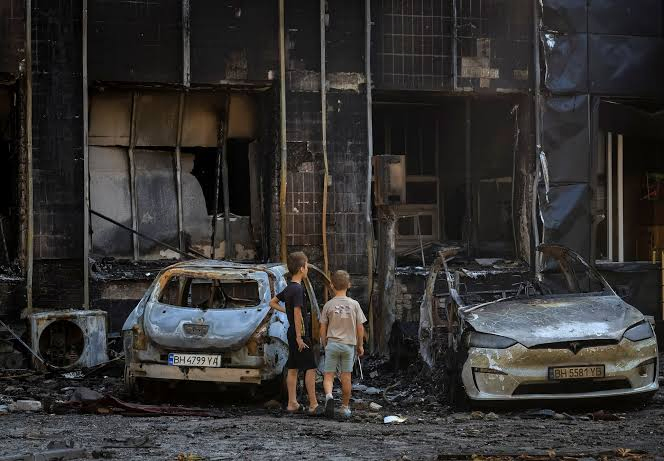
Nine more Ukrainian and Russian children have been reunited with their families through an initiative led by US First Lady Melania Trump, bringing the cumulative total to 43. The latest return is the seventh group facilitated under the effort. The announcement described cooperation from both Russian and Ukrainian leaders, an unusual point of practical contact during a war that continues to inflict heavy civilian harm. Each reunion is small in numerical terms, but decisive for the children and relatives involved.
Children can become separated during evacuation, occupation, detention, shifting front lines or the death and displacement of caregivers. Their cases often involve incomplete records and competing claims about identity, consent and safe return. A successful reunion requires more than transport. Officials and humanitarian intermediaries must verify family relationships, establish the child's circumstances, coordinate permissions and ensure that the handover does not expose anyone to additional danger.
Humanitarian cooperation remains possible
The initiative has operated alongside direct communication with leaders in Moscow and Kyiv. It previously helped secure a temporary local ceasefire in the divided Kherson region from October 27 to November 1. That pause was limited in geography and duration, but it demonstrated that narrowly defined humanitarian arrangements can be negotiated even when broader peace efforts remain stalled. Family reunification works through the same principle: identify a concrete objective, establish trusted channels and separate the immediate welfare of children from larger political disputes.
Such cooperation must remain transparent and centred on the best interests of each child. Governments may present returns as diplomatic achievements, while families need privacy, psychological support and dependable follow-up. Children separated by war can experience trauma, disrupted education and uncertainty about home. Reunification is an essential milestone, not the end of recovery. Local services, schools and healthcare systems must be ready to support children as they rebuild routines with relatives.
The larger problem remains unresolved
Forty-three completed reunions show that individual cases can move forward, but many families across Ukraine and Russia remain separated, displaced or unable to establish contact. The war has created complex legal and humanitarian disputes over children moved across borders or placed in institutions. International standards require careful tracing and voluntary, safe solutions based on verified identity. Political pressure can focus attention, but scalable progress also depends on professional child-protection agencies and access to records.
A durable mechanism would need agreed lists, consistent documentation and neutral oversight. It should protect children from publicity that could compromise their safety. It would also need procedures for disputed custody, missing documents and relatives living in occupied or contested territory. The success of nine returns offers a model for case-by-case cooperation, yet the method must become more systematic if it is to reach a much larger number of affected families.
A human measure of diplomatic work
Diplomatic initiatives are often judged by ceasefires, signed agreements or territorial outcomes. Family reunification offers a different measure: whether specific people are safer and no longer separated. That does not reduce the importance of negotiations to end the war. It shows that humanitarian gains should not wait for a comprehensive settlement when focused arrangements are possible. The cooperation claimed in this case should be preserved and expanded without overstating it as evidence that the wider conflict is close to resolution.
The verified outcome is that nine children returned to their families and the initiative's total rose to 43. The names and personal details of minors do not need to become public for the achievement to matter. The next goal should be additional safe returns, accompanied by independent verification and long-term support. Every completed case can strengthen the procedures and trust needed for the next one, turning a series of individual reunions into a more dependable humanitarian channel.
The privacy of reunited children deserves particular protection as interest in the initiative grows. Public confirmation can demonstrate that cooperation is producing results, but detailed personal histories may expose minors to stigma, political pressure or security risks. Authorities should disclose only what is necessary to verify outcomes and maintain accountability. Independent child-welfare professionals can assess whether returns are voluntary, safe and supported over time. Families may need help replacing documents, accessing education and locating other relatives. These less visible tasks determine whether reunification becomes stable. A successful programme should therefore measure more than the moment of handover. It should examine the child's welfare months later and improve procedures whenever a return reveals gaps in tracing, consent or follow-up care.
PUBLISHED BY SUYASH PACHAURI, FOUNDER & OWNER, GLOBAL BOLLYWOOD | THE HOLLYWOOD SCOPE.