A short-term financing emergency
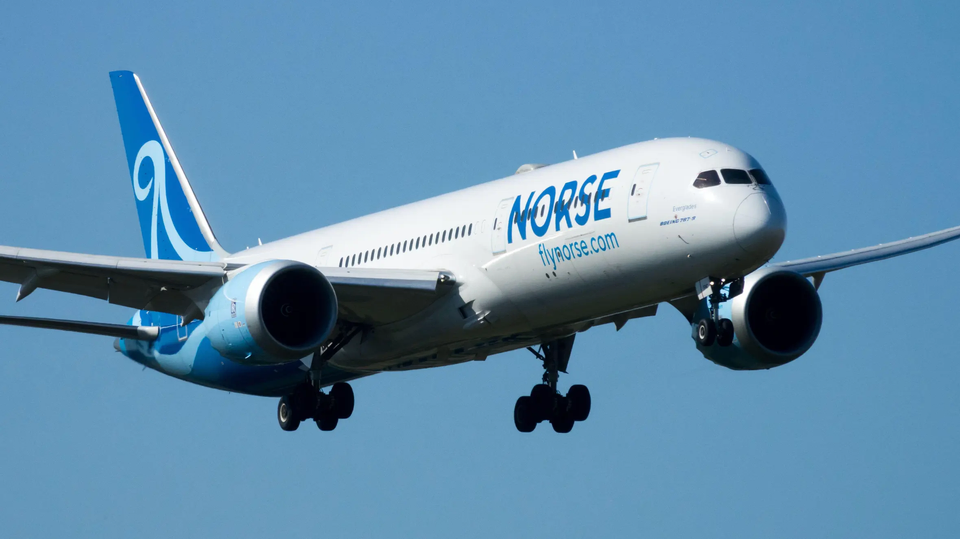
Norse Atlantic has warned that its financial position is critical and that it needs new funding to meet short-term liquidity requirements and continue operating. The Norwegian long-haul budget carrier said discussions were under way, but it offered no assurance that they would produce a viable solution. Investors reacted sharply, sending the shares down 76 percent during the session to an all-time low. The announcement turns a difficult restructuring effort into an immediate question about the airline's ability to secure cash.
The carrier did not disclose how long it could continue without additional financing. That missing detail increases uncertainty for passengers, employees, lessors and airports. A company can remain operational while negotiating with lenders or investors, but counterparties will watch payment schedules and booking trends closely. Customers may hesitate to buy future travel if they fear disruption, which can further weaken cash flow. For an airline that depends on advance ticket sales, confidence is a financial asset as important as aircraft utilisation.
Fuel exposure magnifies the pressure
Norse does not hedge its jet-fuel requirements, leaving it directly exposed to price increases. Fuel costs surged after conflict involving the United States, Israel and Iran disrupted energy markets and transport routes. Long-haul low-cost airlines are especially vulnerable because fuel represents a large share of each flight's expense, while leisure passengers often resist higher fares. The carrier reduced capacity after costs rose, but cutting flying can also reduce revenue and weaken the network advantages needed to attract customers.
The company's difficulties reflect a demanding business model. Long-distance routes require expensive wide-body aircraft, large crews and significant maintenance support. Low fares can stimulate demand, yet profitability depends on high load factors and disciplined seasonal planning. Winter is traditionally harder because many carriers generate less cash after the peak summer period. Smaller airlines have fewer routes and balance-sheet resources to absorb a shock, making them more sensitive to fuel prices, technical problems and sudden changes in travel demand.
Sale, merger and aircraft-leasing options
Norse began a formal process in July to examine a possible sale or merger. It has also explored leasing Boeing 787 aircraft to other airlines under arrangements that include aircraft, crew, maintenance and insurance. Such contracts can provide steadier revenue and reduce direct exposure to ticket demand on the carrier's own routes. In October, Norse agreed to lease two 787-9 Dreamliners to Pakistan International Airlines, showing that management has already been shifting part of the fleet toward contracted operations.
Those measures have not removed the immediate liquidity problem. The board says it has considered alternatives, including more leasing contracts, while discussions about a takeover continue. Any investor or buyer would assess aircraft obligations, lease terms, passenger liabilities and the cash required to stabilise operations. Existing shareholders face the risk of heavy dilution if new equity is issued. Creditors may demand security or operational concessions. A merger could preserve parts of the business, but negotiations can be difficult when time is short.
Passengers and regulators will watch closely
Norway's Civil Aviation Authority separately imposed a daily fine of 8,000 Norwegian crowns for failure to pay compensation owed to passengers. The amount is small compared with airline financing needs, but the action matters because it highlights obligations to customers during a cash crisis. Regulators can require evidence that an airline has sufficient financial resources to operate safely and meet commitments. Travel agents, payment processors and card companies may also change their risk controls if uncertainty rises.
The next decisive update will be confirmation of financing, a strategic transaction or a formal restructuring plan. Until then, the company remains in operation but has publicly acknowledged that continuity depends on new capital. Travellers should rely on direct operational notices and understand the protections attached to their payment method and itinerary. For the aviation market, the warning demonstrates how quickly high fuel costs can threaten a long-haul low-cost model when an airline lacks hedging and substantial reserves.
The warning also raises questions about bookings already made for future travel. A critical financial position does not automatically mean flights have stopped, and passengers should avoid relying on speculation. They should monitor direct schedule notices, retain receipts and understand the chargeback or travel-insurance terms attached to their purchase. Airports and tourism partners will need timely communication if schedules change. For management, silence can accelerate the loss of confidence that it is trying to prevent. A credible update should identify the type of capital sought, the expected timetable and the measures protecting normal operations during negotiations. Clear disclosure will not solve the cash shortage, but it can help prevent uncertainty from causing an additional fall in bookings and supplier support.
PUBLISHED BY SUYASH PACHAURI, FOUNDER & OWNER, GLOBAL BOLLYWOOD | THE HOLLYWOOD SCOPE.