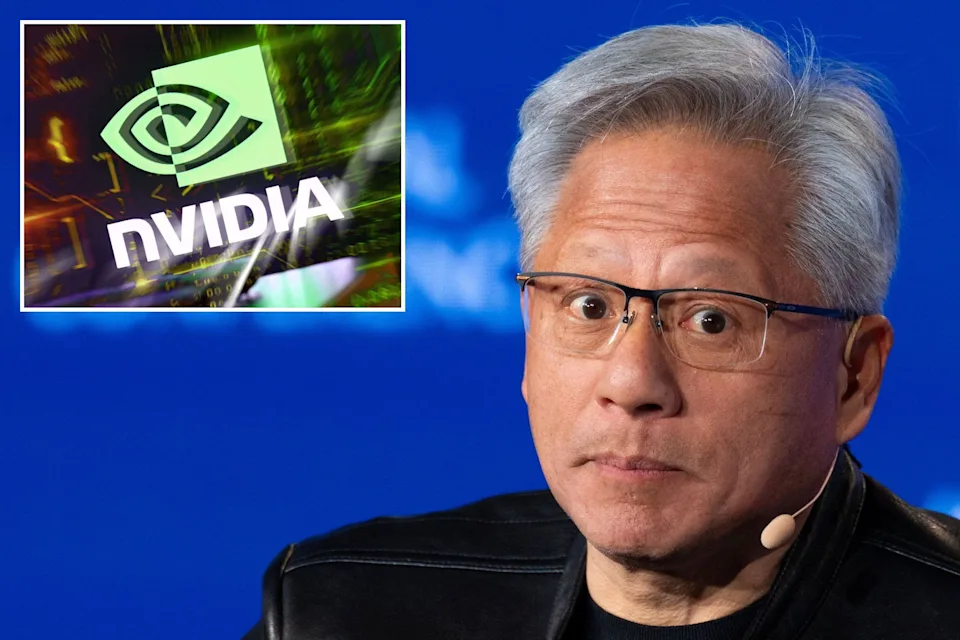
A New Regulatory Question for the AI Market Leader
Nvidia is facing a fresh layer of regulatory pressure after United States securities regulators began examining potential accounting issues at the company. The inquiry adds a financial-reporting dimension to a period already marked by management turmoil, export-control scrutiny and sharp volatility in the chipmaker's share price. Officials have not disclosed the precise transactions or statements under review, and an investigation does not establish wrongdoing. Even so, the existence of an accounting-focused inquiry matters because Nvidia sits at the centre of the global artificial intelligence investment cycle.
The company supplies the advanced processors used to train and operate many leading AI systems. Its results have therefore become a proxy for the strength of spending on data centres, cloud infrastructure and machine learning. When questions arise about how that growth is recorded or explained, the consequences extend beyond one corporate balance sheet. Investors may also reconsider the quality of demand across a network of developers, cloud providers and financing partners that depends heavily on continued spending for Nvidia hardware.
What the Inquiry Is Examining
Enforcement staff are scrutinising possible accounting concerns, although the regulator and the company have not publicly identified a specific rule, filing or period at issue. That uncertainty is important. It prevents a responsible assessment from treating the probe as proof of fraud or assuming that enforcement action will follow. Securities inquiries can close without charges, expand into formal cases or lead to changes in disclosure without establishing intentional misconduct.
The immediate market question is whether investors have received a sufficiently complete picture of Nvidia's commercial exposure. Attention has increasingly focused on complex arrangements through which chipmakers, infrastructure operators and AI companies help finance the purchase of computing equipment or the construction of data centres. Such deals can accelerate expansion, but they can also make it harder to distinguish independent customer demand from demand supported by vendors, guarantees, investments or other connected financial structures.
Why Geographic Revenue Reporting Is Back in Focus
Nvidia previously changed the way it presents geographic revenue, moving from billing addresses toward customer headquarters. The company said the approach better represented the location of its customers, but the change removed Singapore from a detailed geographic breakdown even as sales linked to the city-state had grown. Southeast Asia has become a sensitive route in the global chip trade because advanced processors face restrictions intended to prevent prohibited transfers to China.
A reporting method can be legitimate while still attracting scrutiny about whether it gives shareholders enough information to understand economic risk. Investors will want to know how Nvidia identifies the final destination and end user of products, how it evaluates distributors and large customers, and whether material concentrations are clearly described. Those questions are especially important when trade restrictions, national-security investigations and customer financing arrangements overlap.
The Broader Test for AI Financing
The artificial intelligence boom has required enormous upfront spending. Data centres need chips, power, cooling systems, land, network connections and long-term contracts before customers generate revenue from the capacity. Financing that buildout can involve equity stakes, credit support, purchase commitments and commercial partnerships among companies that also buy from or sell to one another. Those links do not automatically make revenue improper, but they raise the standard for clear disclosure.
Shareholders need to understand whether sales are backed by financially durable customers, whether repayment depends on optimistic future demand and whether one company's investment effectively funds another company's purchase of its products. Regulators have signalled wider interest in the disclosures of AI businesses as these arrangements become more common. Nvidia's prominence means its accounting and risk explanations may influence expectations for the entire technology sector.
What Investors Should Watch Next
The most meaningful next step would be a clear statement from the company or regulator defining the scope of the inquiry. Investors should distinguish confirmed facts from speculation while watching future filings for changes to revenue recognition, geographic reporting, related-party disclosures, customer concentration and financing commitments. Any restatement, enforcement notice or formal allegation would materially alter the risk assessment, but none has been announced in connection with the accounting focus described so far.
Nvidia remains a crucial supplier to the AI economy, and the demand for advanced computing has not disappeared. The new investigation nevertheless arrives at a moment when markets are questioning valuations, funding costs and the durability of infrastructure spending. That combination makes transparency more valuable than another optimistic forecast. The lasting issue is not whether AI will require more computing power. It is whether shareholders can see clearly how that demand is financed, recorded and exposed to regulatory limits.
Boards and auditors across the technology sector will be watching the response as closely as Nvidia's investors. A clear explanation of controls, customer due diligence and financing exposure could reduce uncertainty even before the inquiry ends. Silence or fragmented disclosure would have the opposite effect. Because the company influences index performance, supplier plans and capital spending around the world, confidence in its reporting has become a market-wide concern rather than a narrow compliance matter.
PUBLISHED BY SUYASH PACHAURI, FOUNDER & OWNER, GLOBAL BOLLYWOOD | THE HOLLYWOOD SCOPE.