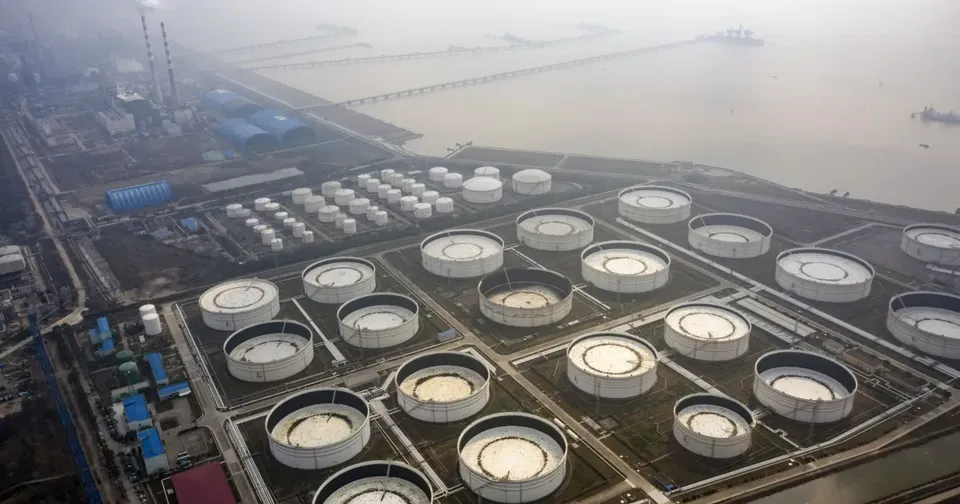
Brent crude has held above $100 a barrel as several supply threats converge at the same time. US inventories fell unexpectedly, attacks continue to affect Russian and Middle Eastern energy infrastructure, and a storm in the Gulf of Mexico is approaching a region responsible for a significant share of American production. The latest oil price rise is not being driven by a single headline. It reflects a market with fewer buffers, where weather, war and refining constraints can reinforce one another. Consumers and businesses should expect fuel costs to remain sensitive even if emergency reserves provide short-term relief.
Why Oil Above $100 Has Returned
US crude inventories fell by 3.2 million barrels to 424.1 million in the week ending October 2, when analysts had expected an increase of 1.7 million barrels. That gap sent a strong signal that the domestic market was tighter than anticipated. Distillate stocks also declined, increasing concern about diesel availability, while gasoline inventories rose. The mixed product picture shows why total crude supply does not automatically solve shortages. Refinery configuration, transport routes and regional demand determine whether the right fuel reaches the right place.
Brent futures rose above $101 a barrel while US West Texas Intermediate traded near $90. The difference reflects regional logistics and the global benchmark's exposure to international disruption. Middle Eastern refining losses and strikes on Russian facilities have constrained products and crude flows. Some exports have increased, but buyers are not confident that those volumes are sustainable. A shipping incident, damaged terminal or new sanction can remove supply faster than alternative routes can be organized.
The Gulf Storm Adds a Domestic Risk
Forecasters expect a developing Gulf of Mexico system to become the first Atlantic hurricane of 2026 and potentially threaten oil and gas facilities. The region produced about 2.05 million barrels of crude per day in September, roughly 15% of total US output. Offshore operators may evacuate crews and shut platforms before severe weather arrives. Refineries and pipelines along the coast can also be affected by flooding or power loss. Preventive shutdowns protect workers but tighten supply until inspections confirm that facilities can restart safely.
Storm impact depends on track, intensity and which assets lie in the path. Markets often react before production is actually lost because traders must price the risk of a major disruption. If the storm weakens or avoids critical infrastructure, part of the premium can disappear quickly. If it damages refineries, the effect may last longer than an offshore shutdown because complex plants require careful repair. Consumers may see the result first in gasoline and diesel prices rather than in the crude benchmark.
Emergency Reserves Can Buy Time
The International Energy Agency and European authorities are discussing another coordinated release of oil and diesel stocks. Strategic reserves can replace lost barrels and calm expectations during an emergency. They cannot repair damaged infrastructure or end military conflict. The composition of a release matters because a market short of diesel may not benefit immediately from crude that local refineries cannot process efficiently. Transparent schedules and delivery locations help companies plan and reduce the chance that emergency barrels merely shift shortages between regions.
Bab el-Mandeb and Hormuz Keep Shipping Risk Elevated
Fighting near the Bab el-Mandeb Strait and attacks around the wider Gulf create another layer of uncertainty. These passages connect energy producers with customers in Asia and Europe. Ships can divert, but longer routes increase fuel use, insurance premiums and delivery times. Even when physical exports continue, the cost of moving them rises. Refiners may build larger inventories or bid aggressively for prompt cargoes, adding upward pressure before a confirmed shortage appears.
High prices also affect monetary policy. Fuel feeds into transport, food and household expectations, making central banks cautious about lowering interest rates. Airlines, trucking companies and manufacturers face pressure on margins and may pass costs to customers. Oil-producing countries gain revenue, but rapid price spikes can weaken demand and destabilize trading partners. That feedback is why sustained prices above $100 can become a broader economic problem rather than a benefit confined to exporters.
The Market Has Little Room for Another Shock
The current oil price rise demonstrates how quickly risks compound when inventories are falling. The Gulf storm may pass without major damage, and emergency releases may cap the near-term spike. Neither outcome removes war-related bottlenecks or the vulnerability of refining networks. Businesses should plan for a wider range of fuel costs and avoid assuming that one favorable headline will restore stability. A durable decline requires replenished inventories, safer shipping routes and consistent production. Until those conditions return, oil above $100 remains a realistic part of the global economic outlook.
PUBLISHED
BY
SUYASH PACHAURI,
FOUNDER & OWNER,
GLOBAL BOLLYWOOD | THE HOLLYWOOD SCOPE