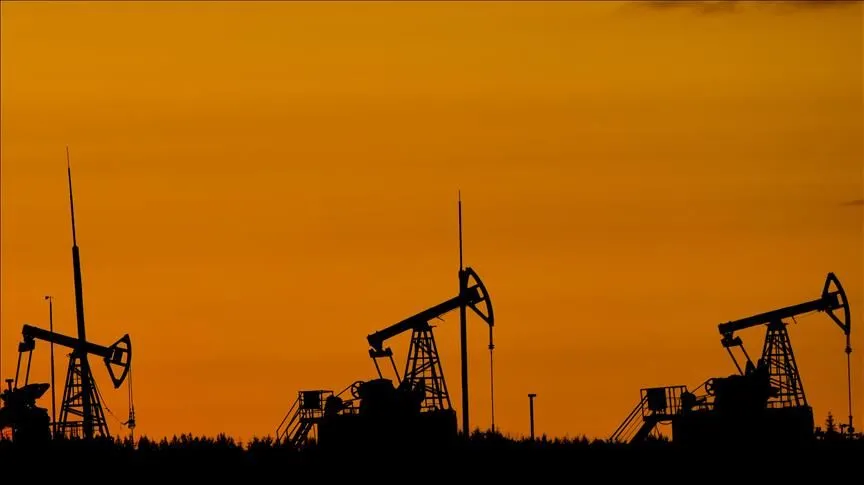
Energy markets add a new risk premium
Oil prices climbed after reports that two tankers struck sea mines near the Strait of Hormuz and that attacks had targeted Saudi energy infrastructure. Brent crude rose to about 96.14 dollars a barrel, gaining 1.62 percent, while West Texas Intermediate reached roughly 84.88 dollars, up 1.43 percent. The movement reflected concern that a widening regional conflict could interrupt a shipping route essential to global crude and fuel supplies.
Iran's Revolutionary Guards said two tankers exploded and caught fire after hitting mines north of Oman's Khasab port. One was described as a supertanker carrying more than two million barrels of crude. Those claims require independent scrutiny, but the market responds to the possibility of disruption before every detail is settled. Traders also considered a claimed attack on the Ras Tanura complex, which combines refining capacity with a major Saudi export terminal.
Hormuz remains a critical energy chokepoint
The Strait of Hormuz connects Gulf producers with the Arabian Sea and international markets. Tankers carrying crude oil, refined products and liquefied natural gas pass through a narrow corridor in which even a limited incident can affect insurance, routing and loading schedules. Alternative pipelines can move some volumes around the strait, but they cannot immediately replace its full capacity. That is why reports of mines or attacks produce an outsized response compared with similar incidents in less important waters.
Shipping had been recovering toward levels seen before the present conflict, making the new incidents especially important. Owners may require additional security assurances, crews may be reluctant to enter a high-risk zone, and insurers can raise premiums. These costs do not need a complete closure to affect the price paid by refiners and consumers. A slower flow of vessels can create congestion and change the timing of deliveries even if the underlying oil remains available.
Saudi refinery claims add uncertainty
Yemen's Houthi movement said it attacked the Ras Tanura refinery and other Saudi targets. Saudi authorities and the state oil company had not publicly confirmed the claimed refinery impact in the initial market reporting. That distinction is important. A claim of responsibility does not establish the scale of damage, and prices can retreat if inspections show that production and exports continue normally. Until an operational update is available, the risk remains plausible but not fully quantified.
Other supply disruptions added to the nervous mood. A fire closed production units at a Bangkok refinery, while a drone attack caused serious damage and fire at a refinery in southern Russia. None of these facilities alone determines the global balance, but several incidents at once reduce the margin for error. Refiners and traders must consider whether replacement cargoes are available and whether transport routes can handle sudden changes.
OPEC policy meets geopolitical pressure
Producers were already preparing for a November 29 meeting to discuss 2027 output policy. Members face competing priorities: support prices, accommodate countries seeking higher production capacity estimates and respond to the departure of the United Arab Emirates from the group. A rollover of current targets for the first quarter would provide stability on paper, but physical disruptions could still tighten supply independently of the formal quota.
The latest increase should therefore be read as a geopolitical risk response, not proof of a lasting shortage. Confirmed damage, shipping data and official export figures will determine whether prices hold their gains. Consumers and importing countries remain exposed because higher crude costs feed into fuel, transport and inflation. The Strait of Hormuz has again shown why a narrow waterway can shape worldwide economic expectations long before any tanker arrives at its destination.
Importing economies will watch freight and inflation
Countries that buy most of their crude from abroad will monitor more than the benchmark price. Tanker availability, war-risk insurance and currency movements can add to the delivered cost. Refiners may raise inventories or seek cargoes from Atlantic suppliers, but longer voyages increase freight use. Governments with regulated fuel prices then face a choice between passing costs to consumers and absorbing them through taxes or subsidies.
A brief price spike may have limited economic effect, while sustained disruption can reach airlines, trucking, agriculture and household budgets. Central banks cannot reopen a shipping lane, yet they must decide whether energy pressure will spread into wider inflation. That makes reliable physical data essential. Vessel movements, refinery runs and export nominations offer a better guide than unverified battlefield claims. Markets will remain volatile until those indicators show whether flows are genuinely falling.
PUBLISHED BY SUYASH PACHAURI, FOUNDER & OWNER, GLOBAL BOLLYWOOD | THE HOLLYWOOD SCOPE.