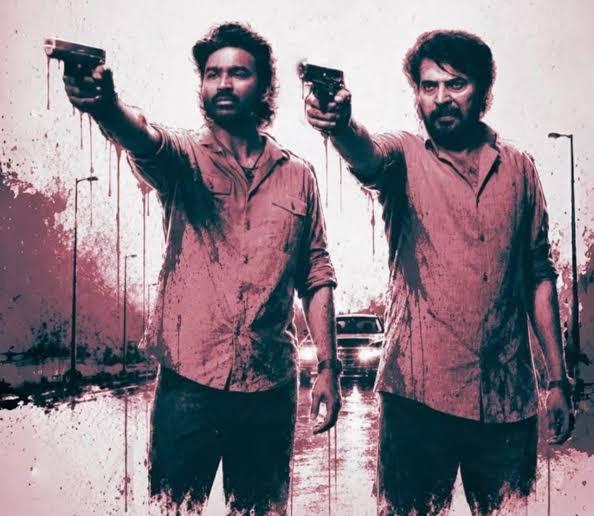
On November 11, 2026, the theatrical campaign for OM: Chapter 1, Udhiram: The Blood Wood gained a significant North India distribution partner. PEN Marudhar joined RTake Studios and Wunderbar Films to handle the film's release across northern markets. The agreement matters beyond the initial announcement because the Dhanush and Mammootty action drama is scheduled for cinemas on November 20, leaving audiences and exhibitors with a near-term release to plan for.
The production is designed to travel across language markets rather than depend on one region alone. Dhanush and Mammootty share billing with Sai Pallavi, Sreeleela and Naseeruddin Shah, while the promotional campaign has also introduced the film's crime and law-enforcement setting. A distribution arrangement in North India is a practical piece of that wider strategy, not merely another poster or ceremonial launch.
What the November 11 agreement establishes
PEN Marudhar's involvement concerns theatrical distribution in North India. RTake Studios and Wunderbar Films are associated with the production, and the new partnership gives the film a named distributor for this part of the Indian market. The deal was announced separately from distribution arrangements being developed for southern territories. That distinction helps explain how a multilingual release is assembled: different partners can take responsibility for reaching cinemas in different parts of the country.
A distributor does not determine whether a film will be liked, and the existence of a partnership should not be confused with a guaranteed screen count or a guaranteed commercial result. Its practical significance lies in planning a theatrical route, coordinating bookings and promoting the film to relevant exhibitors. Specific cinema listings, showtimes and ticket availability remain decisions for the release period and should be checked through local theatres.
Why the timing remains relevant
The November 11 announcement came nine days before the planned opening. That is a useful interval for a theatrical update because it falls close enough to release for cinema operators and viewers to act on the information. With November 20 still ahead, the distribution decision remains relevant as context for where the film is being positioned. It should be understood as a dated development rather than presented as a newly revealed deal on November 18.
A November 20 release after an earlier postponement
OM was previously expected in cinemas on October 16, 2026. Its makers subsequently moved the date, with the November 20 schedule announced in early October. The change separated its release from the period surrounding Rajinikanth's Jailer 2. The postponement itself is old news; the useful point for readers today is the announced November 20 date and the additional distribution planning undertaken since then.
The latest schedule cited in the November distribution announcement includes Tamil, Hindi and Telugu theatrical versions. Other regional distribution arrangements have also featured in the broader promotional campaign, but audiences should verify language-specific listings in their city instead of treating a nationwide announcement as proof that every version will play everywhere. Dates and formats can be adjusted, so a confirmed local cinema listing remains the most reliable final check.
What the November trailer adds
The trailer, released on November 13, placed the film's action within a story involving red sandalwood smuggling, covert investigation and competing interests around a criminal network. Its imagery offers a stronger sense of the conflict than the earlier distribution announcement alone. For viewers considering a ticket, the trailer is a useful companion to the release plan because it communicates the kind of thriller the makers are offering.
Promotional footage also invites questions that cannot be answered responsibly before the finished film is seen. It may emphasize confrontations and set pieces while leaving the narrative's deeper motivations out of view. A trailer should therefore be treated as a presentation of the film's intended tone, not as evidence about the screenplay's quality, the final edit or audience response. No verdict on performance or box office is warranted at this stage.
The cast and production team
Rajkumar Periasamy directs the film, with Dhanush and Mammootty leading a cast that also includes Sai Pallavi, Sreeleela, Naseeruddin Shah and Indrans. The combination brings performers associated with several Indian film industries into one production. It is one reason the distributors have an incentive to reach audiences across regions, although each market will ultimately respond to the completed film and its own promotional campaign.
The producers named for the project are Shraddha Agrawal, Dhanush and Azmat Jagmag, with RTake Studios and Wunderbar Films behind the film. Sai Abhyankkar is credited with the music. These details help distinguish the creative responsibility for the movie from the responsibility for bringing it to cinemas. The filmmakers make the work; distribution partners manage the route through which theatrical audiences can encounter it.
What audiences and exhibitors should monitor
For North Indian viewers, the distribution news is most useful when paired with practical release information. The announced date is Friday, November 20, but individual cinema schedules, language options and booking links may vary. People interested in the Hindi version should check the language shown on the ticketing page, especially where a theatre may also offer a subtitled or original-language screening. Promotional art is not a substitute for that listing.
For exhibitors, the central commercial questions will involve demand, show allocation and local audience interest, none of which can be settled by an announcement alone. The film's cast may create awareness across state and language boundaries, but awareness is only the first step. The real test comes when people decide whether to attend screenings, how different versions perform and whether word of mouth sustains interest after opening day.
Separating confirmed details from expectations
The distribution partnership, creative credits and announced theatrical date are identifiable facts. Predictions about the number of screens, collections, occupancy or records are different kinds of claims and need evidence that is not supplied by the deal itself. Readers should be especially cautious with figures circulated before release, since pre-release estimates and actual reported earnings are not interchangeable. This distinction matters for both trade discussion and consumer expectations.
A release plan worth following
The more enduring story behind the November 11 agreement is the coordinated work required to bring a large regional-language production to a broader audience. OM brings together a multi-industry cast, an action-led campaign and a named North India distributor as it approaches its planned November 20 opening. Those are meaningful developments for filmgoers and the trade even without exaggerated claims about what the film will achieve.
As of November 18, the sensible next step is to follow verified theatre schedules and the film's release rather than repeat the earlier postponement as fresh news. The November distribution arrangement remains worth recording because it explains part of the movie's route to audiences. Its eventual outcome, including the reception of the performances and story, belongs to a later assessment based on the finished film and reliable theatrical information.
PUBLISHED BY SUYASH PACHAURI, FOUNDER & OWNER, GLOBAL BOLLYWOOD | THE HOLLYWOOD SCOPE.