Three lives shaped by action and inaction
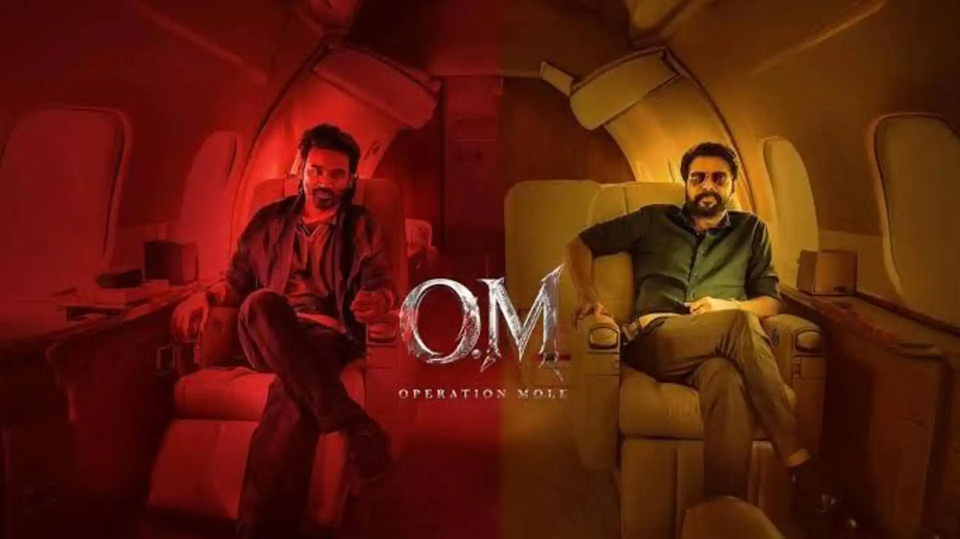
OM: Operation Mole places guilt at the centre of a crime narrative involving red-sanders smuggling, law enforcement and competing ideas of justice. Director Rajkumar Periasamy follows three principal figures whose choices are defined by what they have done and what they failed to do. Karthikeyan, also known as Siya, occupies the criminal network’s domestic centre. Thirukumaran moves through the operation with divided loyalties and accumulated responsibility. Police officer Nithya Reddy represents the institutional pursuit of the network while carrying moral pressure of her own.
The structure gives the film more ambition than a straightforward pursuit thriller. It is not satisfied with identifying a criminal and arranging a chase. It asks how violence acquires justification when every participant believes that circumstances have forced a particular choice. The smuggling trade provides scale and danger, but the story’s real energy comes from the unstable relationships between authority, loyalty and survival. That approach allows the leading actors to play motives rather than merely functions.
Dhanush, Mammootty and Sai Pallavi anchor the conflict
Dhanush brings nervous force and physical alertness to Thirukumaran. His performance is most effective when the character has to calculate what can be revealed, concealed or postponed. The actor’s ability to shift between vulnerability and sudden aggression gives the role an unpredictable edge. Mammootty, as Karthikeyan, uses stillness and authority. The character’s place in the criminal world is communicated through presence before the screenplay supplies explanation, and that control makes the confrontations feel charged even when the plotting becomes busy.
Sai Pallavi gives Nithya Reddy a clear professional identity and refuses to let the police role become a collection of gestures. Her performance adds discipline to the film’s moral argument because Nithya must pursue results without losing sight of the human cost surrounding the operation. Sreeleela and the supporting ensemble help connect the central conflict to domestic and social consequences. The strongest scenes allow these characters to challenge the male leads rather than simply react to them.
An intriguing investigation with convenient exits
Rajkumar Periasamy handles the broad architecture with confidence. The film moves between criminal logistics, police strategy and personal history without losing its central line of tension. The red-sanders setting gives the action a distinct material world, and the investigative passages benefit from a sense of scale. When the film pauses to examine why a person crossed a line, it becomes richer than the familiar smuggling thriller. The moral ambiguity also creates space for the audience to reconsider early assumptions.
The difficulty arrives when complicated dilemmas need resolution. Several developments appear designed to extract the screenplay from the maze it has created rather than to deepen its consequences. Emotional revelations sometimes provide shortcuts where harder choices would have produced a stronger ending. The film wants to preserve sympathy for multiple characters, but that instinct can soften accountability. A tighter final movement could have allowed the moral questions to remain uncomfortable while still delivering narrative closure.
Final verdict on OM Operation Mole
OM: Operation Mole is an involving crime drama powered by three performers who understand the value of internal conflict. Dhanush supplies urgency, Mammootty brings formidable gravity and Sai Pallavi gives the investigation moral focus. Their work sustains the film when the screenplay shifts too quickly between political, emotional and procedural concerns. The action has purpose because it emerges from competing strategies, while the quieter scenes reveal the burden each character carries.
Its weaknesses are most visible in the convenient routes used to settle an otherwise complicated story. Yet the film’s ambition deserves recognition. It treats crime as an ecosystem of decisions and compromises, not as a simple contest between a spotless officer and an uncomplicated villain. The result is imperfect but consistently engaging, with enough thematic weight to remain in discussion after its final confrontation.
What comes next
The film’s commercial journey will be shaped by how audiences balance its star combination against a long, morally layered narrative. Strong opening interest can establish reach, but sustained response will depend on whether viewers accept the deliberate build and the compromises of the concluding stretch.
It also opens the possibility of further large-scale Tamil productions that bring performers from different industries together without reducing them to ceremonial appearances. The value of the casting lies in genuine dramatic opposition, and OM largely recognises that responsibility.
A morally ambitious crime drama whose commanding performances often outrun the convenience of its final answers.
PUBLISHED BY SUYASH PACHAURI, FOUNDER & OWNER, GLOBAL BOLLYWOOD | THE HOLLYWOOD SCOPE.