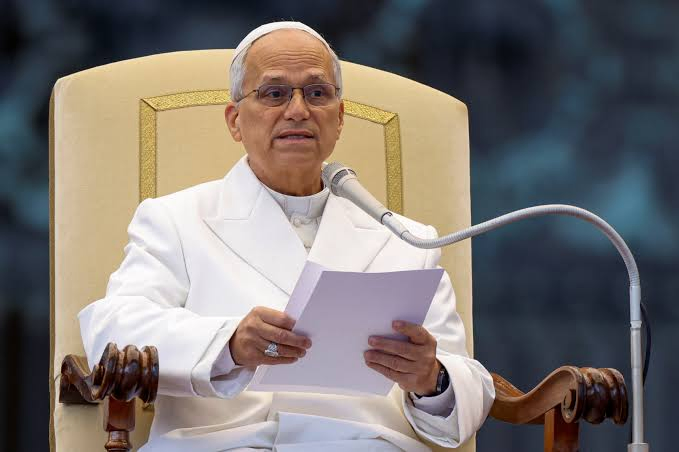
A Papal Intervention After a Fractured Climate Summit
Pope Leo XIV has delivered a sharp public response to the failure of COP31 to produce clear international commitments, describing the outcome as troubling and urging governments to renew their responsibility toward the climate crisis. Speaking during his weekly audience in St. Peter's Square, he connected the diplomatic breakdown with the growing frequency of extreme environmental events and called for action that reaches beyond statements of concern.
The intervention is significant because it arrived after the summit had already ended without an overarching agreement. European governments and other participants rejected the proposed final text as too weak to advance the global response to warming. The Pope's remarks did not reopen the negotiations, but they added moral and political pressure at a moment when the international process appeared unusually divided.
What Pope Leo Asked Governments to Change
Pope Leo called for a renewed sense of shared responsibility, new forms of solidarity among nations and fundamental changes in behavior, socio-economic systems and governance. That language places climate action within a broader question of how societies distribute costs, benefits and risks. It also recognizes that individual choices cannot substitute for decisions about energy, infrastructure, finance and public policy.
His appeal was not framed as a technical blueprint. It was a demand for political seriousness after negotiators failed to adopt a common cover decision. By emphasizing solidarity, the Pope highlighted the gap between countries with the greatest financial and technological capacity and communities that face severe climate effects despite contributing relatively little to historic emissions.
Why the COP31 Breakdown Matters
Annual climate conferences do more than produce a single final declaration. They create decisions on finance, adaptation, emissions policy, transparency and cooperation under the wider climate framework. COP31 delivered progress in some areas, but the inability to agree on an overarching political direction exposed deep differences over ambition, responsibility and the pace of the energy transition.
A failed cover decision can weaken confidence even when technical work continues. Governments, companies and investors look to the process for signals about future rules and priorities. Vulnerable countries also depend on credible international commitments when planning adaptation and seeking support for loss, damage and resilient infrastructure. The absence of consensus can therefore affect decisions far beyond the conference hall.
Moral Authority Meets Climate Diplomacy
The leader of the Catholic Church does not negotiate national emissions targets, yet his words can influence a global community of about 1.4 billion Catholics and reach political leaders across continents. Pope Leo has previously encouraged believers to protect the Earth, and his climate appeal places environmental stewardship alongside social responsibility. That approach can make complex policy debates more immediate by focusing attention on human consequences.
Religious leadership can also speak across the usual divisions between governments, businesses and campaign groups. The effectiveness of such an intervention depends on what follows. Catholic institutions, local communities and political representatives will be judged by whether moral concern becomes practical support for clean energy, resilient development and protection for people exposed to worsening heat, floods, storms and displacement.
The Next Test Is Action Outside the Summit
COP31's collapse does not end international climate work. Countries still have national plans, domestic laws, regional partnerships and financial institutions through which they can cut emissions and prepare for climate effects. Diplomatic repair will also be necessary before the next summit, particularly if governments want to prevent one failed agreement from becoming a longer period of paralysis.
Pope Leo's message gives that work a clear ethical frame: delay has consequences, and cooperation must reflect the unequal burden of the crisis. His intervention is a fresh development within the current news window, while the summit breakdown itself occurred earlier. The importance of the statement lies in its attempt to turn disappointment into renewed pressure for responsibility, solidarity and measurable action.
The response will be visible in national budgets, energy plans and the next round of diplomatic preparation. Governments that defended ambitious language at the summit now face the harder task of matching that position with domestic policy. Countries that resisted stronger commitments will also face questions about how their approach protects citizens from escalating costs. The Pope's appeal cannot settle those disputes, but it makes inaction more difficult to present as a neutral choice. The diplomatic calendar will show whether that moral pressure produces stronger proposals before negotiations resume.
Cities, businesses and faith communities also have roles between negotiating sessions. They can improve resilience, reduce avoidable emissions and direct assistance toward people facing immediate environmental harm. Such work cannot replace national commitments, yet it can keep momentum alive while governments rebuild the trust needed for a stronger international agreement.
PUBLISHED BY SUYASH PACHAURI, FOUNDER & OWNER, GLOBAL BOLLYWOOD | THE HOLLYWOOD SCOPE.