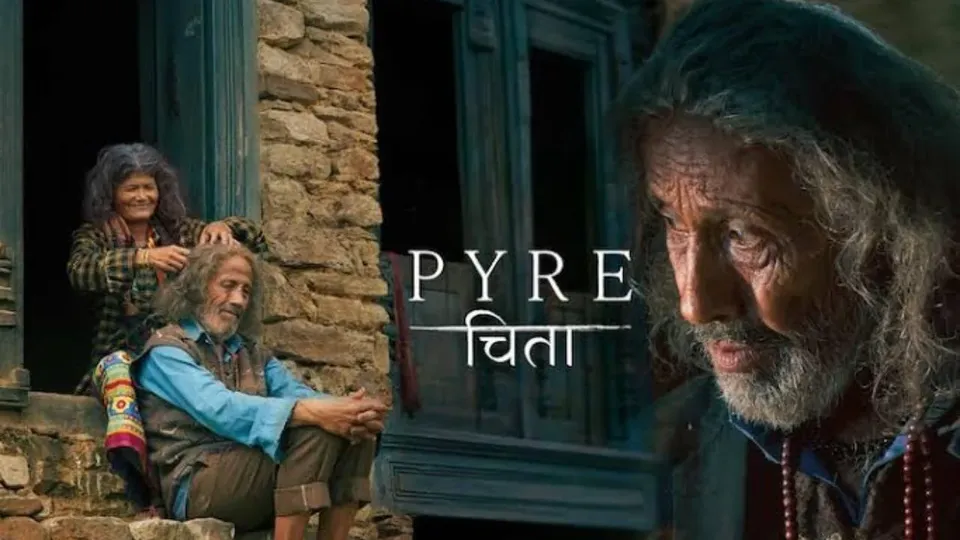
A dispute over theatrical screening access for Vinod Kapri's independent film Pyre has widened beyond the director's public complaints, with a film workers' association requesting an official inquiry. The filmmaker alleges that the number of shows available to his film fell sharply after the release of the much larger production Ramayana. A formal representation has been sent to the Union Information and Broadcasting Minister asking for examination of the circumstances and policies that govern screen allocation. The development is important because it concerns the working conditions of independent filmmaking rather than simply a rivalry between two particular titles.
What has been alleged about the screenings
Kapri has said that Pyre initially opened on a modest number of screens and then benefited from audience word of mouth. In his account, the film moved from around 80 shows or screens in its early run to approximately 400 before losing roughly three quarters of its opportunities around the time Ramayana entered cinemas on November 5. These figures form part of the filmmaker's stated complaint; they should not be presented as findings from an independent inquiry. The distinction matters whenever commercial decisions are being questioned publicly, because the allegations describe the filmmaker's experience while responsibility remains unresolved.
The film workers' association has asked for an impartial examination of why the film's theatrical access changed despite claims of encouraging audience support. Its demands include a clearer approach to screen allocation, a grievance mechanism and legal action if an investigation identifies wrongdoing by responsible exhibitors or distributors. A request for criminal complaints is not a finding that a crime occurred. It is a call for authorities to assess evidence and determine whether any action is justified. Careful reporting must distinguish between that request, the filmmaker's statements and any future decision by a regulator or investigating body.
The commercial tension between scale and access
Cinema exhibition is built around limited physical capacity. Each auditorium has a finite number of daily slots, and exhibitors often adjust programming in response to presales, occupancy, distributor arrangements and expected consumer demand. Large releases can absorb enormous screen capacity, particularly when advance bookings suggest a substantial opening. Smaller films may depend on sustained positive feedback rather than a heavily promoted opening weekend. The challenge is that the commercial reasons for shifting shows may be difficult for audiences and smaller producers to evaluate without transparent information about the underlying decisions.
Pyre's reported budget of approximately Rs 2.5 crore places its production scale far below that of the major epic with which its release became entangled. But budget size alone cannot establish whether a particular screen reduction was unfair. A meaningful assessment would need to examine the dates involved, exhibition agreements, bookings, attendance and whether competing titles were treated consistently. It would also need to account for the rights of theatres to respond to real demand. The case therefore raises a question about transparency and access rather than establishing that any one film should automatically be granted a fixed number of performances.
More shows are expected to return
Kapri has separately said that more than 200 performances of Pyre are being added from Friday, November 13. That stated expansion is a concrete change in the film's immediate exhibition prospects, but it does not by itself resolve the broader complaint about how its previous slots were allocated. The director has thanked audiences and exhibition partners for supporting renewed access. For the film's team, the additional screenings offer an opportunity to continue the theatrical run and make the work available to people who may have struggled to find it. The precise attendance impact will become clear only after the new shows take place.
Why the industry is watching
The conversation has relevance well beyond one independent release. Smaller productions often work with restricted advertising budgets, and their theatrical performance may build gradually through reviews, conversations and recommendations. A quick reduction in available screenings can limit the time a film has to find its audience. On the other hand, cinema operators face pressures to fill seats and keep their businesses viable. Any proposed policy must address both realities if it is to be workable. A blanket approach that ignores actual demand could produce different problems from those it intends to prevent.
Pyre tells the story of an elderly couple waiting for their son as their Himalayan village changes around them. That premise makes the exhibition question particularly poignant without proving the director's broader allegations. Audiences looking for a quiet, character-centred story need practical access to a theatre showing it; otherwise recommendations cannot easily translate into ticket sales. The film's independent production and use of non-professional performers also illustrate why cultural variety is part of this discussion. If cinemas offer only the largest commercial spectacles, viewers have fewer opportunities to discover work made on very different creative terms.
The next evidence-based steps
The responsible next step is to separate a public campaign from a substantiated outcome. The association's letter, the director's account and the announcement of returning shows are reportable developments. Claims about coercion or deliberate exclusion require evidence and should not be treated as established merely because they have attracted attention. Whether the ministry acts, whether exhibitors explain their programming and whether a revised policy emerges remain open questions. The central issue is a fair and understandable process for balancing audience demand, cinema economics and opportunities for films that cannot command a blockbuster's opening-day footprint.
PUBLISHED BY SUYASH PACHAURI, FOUNDER & OWNER, GLOBAL BOLLYWOOD | THE HOLLYWOOD SCOPE.