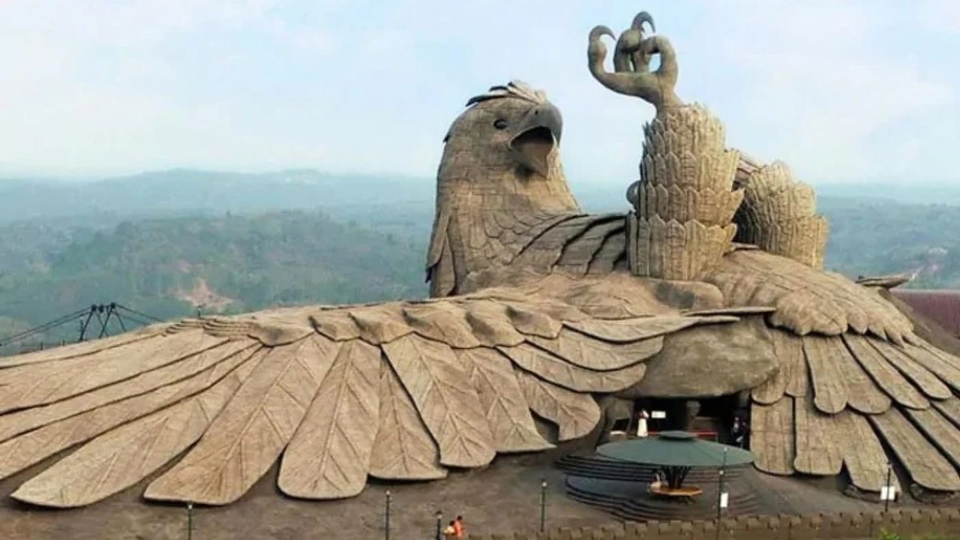
The filming of Ramayana at Kerala's Jatayu Earth's Center has been linked to a major tourism increase, with a senior Indian tourism official saying visitor numbers at the site doubled after the production used the location. The claim was presented during a WAVES Film Bazaar discussion in Goa, where officials and producers examined India's attempt to attract more domestic and international shoots through coordinated permissions and state incentives.
Jatayu Earth's Center, widely known as Jatayu Rock, draws its identity from the Ramayana tradition. The site is associated with the point where the mythical bird Jatayu is believed to have fallen after fighting Ravana. Nitesh Tiwari's film depicts that episode, creating a direct connection between the screen story, the landscape and the cultural meaning already attached to the destination.
An official says visitor numbers doubled
Tourism Ministry joint secretary Harikishore S. told the Film Bazaar panel that footfall at Jatayu Rock doubled following the Ramayana shoot. The statement offers a striking example of film tourism, but it should be understood as an official account rather than an independently published audit of ticket data. No detailed period-by-period visitor series was included with the claim.
Even with that qualification, the mechanism is credible. A major film can introduce a location to audiences who have never seen it, while promotional images and behind-the-scenes coverage can turn a production site into a destination. Jatayu Rock already had mythological recognition, so the film did not create its cultural importance. It amplified a connection that visitors could experience physically.
Film tourism depends on more than screen exposure
A location benefits most when transport, visitor management and local information are ready for increased interest. A sudden rise can strain roads, parking, safety systems and the surrounding environment. Tourism authorities therefore need to convert attention into a sustainable experience rather than simply celebrating a higher footfall number.
Clear interpretation is also important. Visitors should be able to distinguish the site's traditional significance, its modern tourism development and the specific areas used by a film crew. Treating every production element as historical fact would weaken both the cultural story and the credibility of the destination.
India promotes a single-window filming system
Officials used the panel to highlight a central portal intended to help filmmakers with permissions, location scouting and production planning. Indian shoots can involve multiple departments and levels of government, especially when crews work in protected, historic or heavily used public locations. A single-window system aims to reduce the need for producers to navigate each authority separately.
The value of such a portal depends on execution. A website can collect applications, but producers also need predictable timelines, clear local contacts and decisions that are recognised on the ground. International productions compare countries not only by incentive size but also by how reliably permits, customs, visas and location access are handled.
State incentives create opportunity and complexity
Indian states offer different forms of support, including subsidies, location assistance and benefits tied to local spending or regional stories. This competition can distribute production beyond familiar centres and create work for technicians, hotels, transport providers and small businesses. It can also encourage filmmakers to show landscapes that rarely reach national or international screens.
At the same time, a patchwork of policies can be difficult to compare. Producers need to know which expenses qualify, when reimbursement occurs and whether rules change during a project. Incentives are most effective when they support genuine local economic activity rather than functioning only as headline promises.
Producers identify a studio-capacity gap
Industry representatives at the discussion praised the skill and speed of Indian crews but warned that the country does not always have enough studio space to retain its largest productions. A location-rich country can still lose interior work, visual-effects coordination or long schedules to markets offering bigger sound stages and integrated production facilities.
That gap matters because filming incentives generate the greatest value when a project completes several stages in the same economy. Location days create immediate spending, while studio construction, post-production and repeat work can support more durable employment. India's pitch therefore needs infrastructure alongside scenery and administrative reform.
Ramayana becomes a case study in screen-led tourism
The Jatayu Rock example gives policy discussions a result that audiences can understand. A scene tied closely to a known place can motivate travel, strengthen regional identity and extend a film's economic effect beyond ticket sales. It also demonstrates why local communities should be included in planning, since they experience both the benefits and pressures of increased visitors.
The reported doubling should encourage more transparent measurement rather than end the discussion. Future data could compare footfall before filming, during publicity and after release, along with local revenue and environmental impact. That would show whether the surge is temporary or produces sustained tourism.
For now, the official claim has made Jatayu Earth's Center a prominent example in India's film-location campaign. Ramayana connected a mythic episode with a real Kerala destination, while the government used the story to promote simpler permits and stronger production incentives. The larger task is to ensure that cinematic visibility produces lasting value for visitors, crews and the communities around the locations that appear on screen.
PUBLISHED BY SUYASH PACHAURI, FOUNDER & OWNER, GLOBAL BOLLYWOOD | THE HOLLYWOOD SCOPE.