Food prices move beyond isolated items
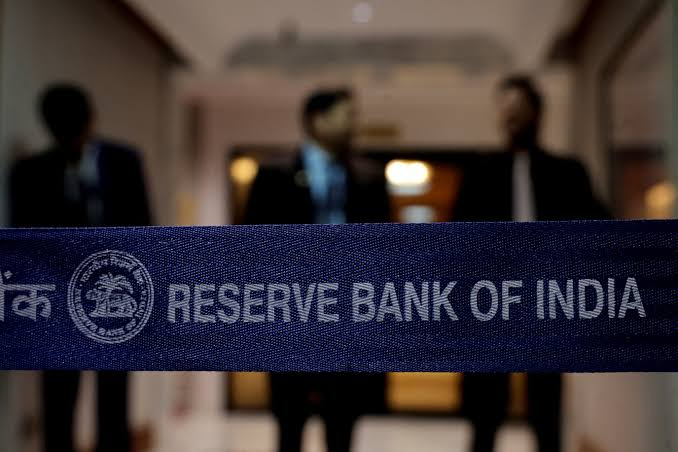
The Reserve Bank of India has warned that food inflation pressures are becoming broad-based, with prices rising across major cereals, pulses and edible oils. Its latest monthly bulletin said high-frequency information through November 19 showed continuing pressure rather than a short-lived increase in one category. Mustard oil led a wider rise in edible-oil prices. The warning arrives after headline inflation moved above the central bank's 6 percent upper tolerance limit in October, increasing the importance of the December policy meeting.
Food has a large weight in India's consumer price index and a direct effect on household welfare. Lower-income families spend a greater share of earnings on essentials, so increases in staples reduce money available for education, healthcare and discretionary purchases. Broad inflation is harder to manage than a temporary rise in vegetables because cereals, pulses and cooking oils are used throughout the economy. Their prices can influence restaurant menus, packaged foods and wage expectations as well as household budgets.
Monsoon weakness meets global cost pressure
Weak and uneven monsoon rainfall has affected crop expectations, while elevated energy and transport costs add pressure after harvest. Edible oils are also linked to international markets, currency movements and import duties. The resulting mix limits the effectiveness of any one policy response. Releasing stocks or adjusting trade rules may help selected commodities, but persistent pressure across several categories requires close coordination between agricultural, fiscal and monetary authorities.
The central bank cannot produce grain or improve rainfall by raising interest rates. Its role is to prevent a food shock from spreading into wages, services and general inflation expectations. If households and businesses assume prices will keep rising, they may change spending and pricing behaviour in ways that make inflation more durable. A carefully calibrated rate increase can signal commitment to price stability, although it also raises borrowing costs for homes and businesses.
A December rate increase is widely expected
The monetary policy committee is due to announce its decision on December 4. Expectations point toward a 25-basis-point increase from the current 5.5 percent rate, following a rise of the same size in October. The committee must balance inflation above target against an economy that continues to expand strongly. Growth in the July-September quarter is estimated at about 7.6 percent, while bank credit remains robust. That resilience gives policymakers more room to focus on inflation without assuming demand will immediately collapse.
Markets will study the language around future decisions as closely as the December move itself. A second increase could be described as part of a limited adjustment or the beginning of a longer tightening cycle. The answer depends on incoming food data, oil prices, the rupee and whether inflation becomes more general. Borrowers should avoid treating a single forecast as certain, since the committee can change course if conditions improve or deteriorate before the meeting.
Foreign-exchange operations add another dimension
The bulletin also showed that the central bank was a net buyer of dollars for a fourth consecutive month in September. It purchased $6.94 billion net, with gross purchases of $82.18 billion and sales of $75.25 billion. Those large two-way flows reflect intervention, swap maturities and management of capital entering the country. The picture has since changed as foreign investors returned to Indian equities and lower oil prices helped the rupee recover.
A stronger currency can reduce imported inflation, particularly for fuel and edible oils, but the improvement must last to influence policy. The immediate message from the bulletin is that food pressure remains widespread even as growth and capital flows provide support. The December decision will therefore test how the RBI weighs household inflation against strong activity. A credible response needs both monetary discipline and supply-side measures, because interest rates can contain second-round effects but cannot alone solve shortages or weather-related crop damage.
Households will experience the inflation picture differently depending on region and diet. A rise in one cereal may be offset by another locally, while imported cooking oils respond quickly to currency and global prices. Better public data on wholesale stocks, retail margins and crop arrivals can help authorities identify where pressure begins. It can also discourage panic buying or unsupported claims of shortage. For monetary policymakers, such detail separates temporary supply disruption from a persistent inflation process. For the government, it guides targeted imports, stock releases and transport support. The broad warning in the bulletin is valuable, but the policy response will be strongest when national indicators are paired with commodity-level and regional evidence that shows which intervention can actually improve supply.
PUBLISHED BY SUYASH PACHAURI, FOUNDER & OWNER, GLOBAL BOLLYWOOD | THE HOLLYWOOD SCOPE.