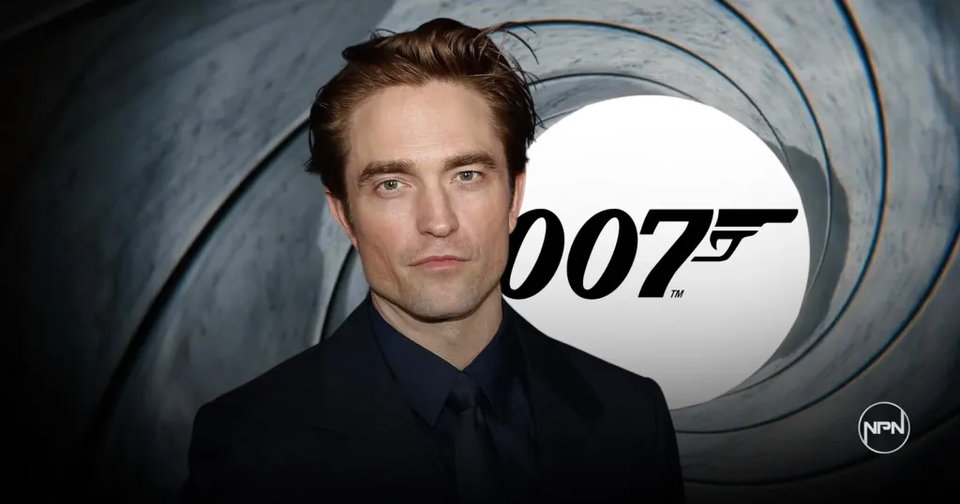
The identity of cinema's next James Bond was settled publicly on 16 November 2026 when Amazon MGM Studios confirmed Robert Pattinson for its upcoming twenty-sixth official 007 film. That announcement is a genuine milestone rather than another entry in the long-running casting rumour cycle. It places a well-known performer at the centre of the first Bond adventure developed under a new creative-control arrangement and makes several previously uncertain production roles clear, even while the story, release date and supporting cast remain undisclosed.
This guide revisits the November confirmation for readers following the project today. It separates the decisions that have actually been announced from questions that producers have yet to answer. Pattinson succeeds Daniel Craig, whose final appearance was No Time to Die in 2021, but the new appointment does not by itself disclose whether the film will revisit Bond's origins, continue a familiar chronology or build an entirely different dramatic world.
A November 16 casting decision, not a fresh rumour
The official reveal followed a period of auditions, reported shortlists and intense public debate about which actor could inherit an internationally recognised role. The announcement identified Pattinson by name, accompanied by imagery presenting him in Bond's familiar formal style. That is the decisive distinction: earlier discussion concerned potential contenders, whereas the November 16 statement represents the studio's confirmed selection. Coverage circulating several days later should retain that original event date rather than describing the casting itself as breaking news.
Pattinson is the seventh performer to play the principal Bond role across the official film series, following Sean Connery, George Lazenby, Roger Moore, Timothy Dalton, Pierce Brosnan and Daniel Craig. Different counts sometimes include unofficial adaptations or nonstandard portrayals. For an accurate account of the forthcoming instalment, it is more useful to identify his place in the principal cinematic succession than to mix unrelated productions into the official franchise's history.
The confirmed creative team behind Bond 26
Denis Villeneuve is attached to direct the untitled film, with Steven Knight writing its screenplay. Amy Pascal and David Heyman are producing, while Tanya Lapointe serves as executive producer. Those names matter because the next film must establish a lead actor, a directing approach and a production identity at the same time. A director with a strongly defined visual sensibility and a writer experienced in character-driven crime stories create an interesting combination, but they do not automatically reveal the eventual film's tone.
Villeneuve is associated with Arrival, Sicario, Blade Runner 2049 and the Dune films. Knight's credits include Peaky Blinders and screenwriting work across crime, drama and psychological storytelling. Pascal has overseen major franchise productions, while Heyman brings experience from large-scale fantasy filmmaking and established long-running series. These backgrounds suggest an experienced team accustomed to demanding productions. Claims about a particular villain, mission or location would go further than the verified announcement supports.
Why producer and director responsibilities must be distinguished
The director shapes the film's performances and cinematic execution, the screenwriter develops its dramatic structure, and producers manage a wider set of creative, financial and organisational responsibilities. Each has influence, but no single appointment settles every decision. Casting Pattinson is therefore an important first step in defining this Bond, not evidence that all principal photography plans, action set pieces, music choices or distribution arrangements have been finalised.
What Pattinson brings from his previous films
Pattinson's career makes this choice more layered than simply placing a familiar face inside a global franchise. He built an enormous popular following with The Twilight Saga, then sought out demanding performances in independent and filmmaker-led projects. Good Time and The Lighthouse showed his willingness to work with emotionally volatile material and challenging screen characters. Tenet demanded precision inside an intricate action narrative, while The Batman demonstrated that he could lead a valuable property without reproducing another actor's interpretation.
Bond requires a different balance from any one of those roles. The character has to communicate intelligence, danger, elegance and improvisational humour, sometimes within the same exchange. A successful performance will depend on what Pattinson does with the specific screenplay rather than whether isolated photographs resemble an earlier version of 007. His screen persona provides possibilities, not a guarantee, and audiences should have room to judge the finished character on its own terms.
Why Amazon MGM's creative-control transition matters
The studio acquired MGM in 2022 and subsequently entered a joint venture involving longtime Bond stewards Barbara Broccoli and Michael G. Wilson. That arrangement, completed in 2025, gave Amazon MGM Studios creative control of the James Bond intellectual property. The distinction is significant because the franchise was historically shaped through unusually continuous production stewardship. The new film will be the first major test of how a changed decision-making structure handles a property with deep expectations about its identity.
Commercial opportunity and artistic responsibility are not opposites, but a globally recognised franchise invites particular pressure. Bond must remain identifiable without feeling like a collection of inherited gestures. A new production team may update how the character responds to modern surveillance, diplomacy and technology, yet audiences will still look for distinctive atmosphere, memorable adversaries and purposeful action. It would be premature to declare the outcome before the filmmakers disclose a story or release any completed scenes.
The timeline: what is known and what is not
The confirmed casting announcement belongs to November 16, 2026. Daniel Craig's last official Bond film was released in 2021, leaving an extended gap without a new instalment. Villeneuve's directing appointment and Knight's screenplay role were announced before Pattinson's casting, so a sensible production timeline must keep those earlier milestones separate. The next film is commonly called Bond 26 as a working identifier, but that is not an officially announced theatrical title.
As of this guide, no specific cinema release date has been confirmed by the studio. Reporting about an anticipated production start should not be mistaken for a fixed shooting schedule, and rumours about actor contracts should not be stated as agreed multi-film commitments without direct confirmation. A reader looking for the next concrete development should watch for formal principal photography dates, supporting cast announcements and a confirmed title rather than assume those decisions have already been made.
The release date and the supporting cast remain open
The identities of a principal antagonist, any returning MI6 colleagues and Bond's principal allies have not been established in the confirmation of the lead actor. Casting speculation can be entertaining, but it is not evidence of a signed agreement. Similarly, a likely theatrical focus does not identify a marketing date, a country-by-country release calendar or the availability of an unfinished film on any streaming service. Those details require their own announcements.
From Daniel Craig's ending to a new interpretation
No Time to Die gave Craig's Bond an unusually conclusive emotional ending. That raises legitimate storytelling questions for his successor, but it does not require the next film to explain the mechanics of that ending. The series has repeatedly changed its leading performer while retaining the character's broader identity. A new creative team can introduce audiences to another interpretation without claiming that every earlier episode belongs to a single uninterrupted personal biography.
The strongest transition may depend on clarity. The film needs to establish this Bond's values, flaws and professional competence within its own narrative. Repeating Craig's emotional journey would risk making a new actor seem secondary to his predecessor. Discarding every recognisable trait would create the opposite danger. The assignment for the filmmakers is to find a recognisable intelligence-service hero whose choices, relationships and vulnerabilities feel fresh rather than simply modernised by costumes or technology.
What the film industry will be watching
Casting a new Bond carries implications well beyond a promotional photograph. It influences how distributors frame a worldwide launch, how production departments plan an unusually large action film and how the film's identity is positioned for viewers who followed different generations of the franchise. A performer with an established fan base may create early awareness, but the long-term outcome will depend on screenplay quality, directorial coherence and the audience's response to a complete performance.
There is also a craft dimension. Bond films are associated with physical stunt work, elaborate practical environments, careful production design and globally recognisable musical traditions. Villeneuve's experience with expansive visual worlds may offer opportunities, but the finished film will have to maintain legible action and character stakes alongside spectacle. The production's specific technical approach cannot yet be inferred from the creative team's past credits alone.
Marketing should not substitute speculation for confirmation
The period between a star announcement and a release can produce an endless series of supposed clues. A social-media photograph may show a genuine costume but reveal nothing about the plot. A production-facility conversation may indicate interest without confirming a completed booking. An actor's public enthusiasm can communicate confidence without setting a date. Treating each type of information according to its evidentiary strength is essential to building a trustworthy record of the film's development.
The significance of the appointment for film audiences
Pattinson's selection ends one major uncertainty while opening more interesting questions about performance and storytelling. The creative team's challenge is not merely to demonstrate that the new leading man looks plausible in formal wear. It is to construct a film in which his decisions feel credible, the world around him has dramatic texture and familiar Bond conventions serve the story. The announcement gives fans a concrete central figure to anticipate, but the film's identity will emerge only through subsequent production milestones.
The most useful conclusion on November 22 is therefore precise: Robert Pattinson was officially named the next James Bond on November 16; Denis Villeneuve will direct a Steven Knight screenplay, with Amy Pascal and David Heyman producing and Tanya Lapointe executive producing. The eventual title, release date and major supporting roles have not been confirmed in that announcement. Readers can follow those future decisions without mistaking old rumours or later reaction pieces for the original casting event.
PUBLISHED BY SUYASH PACHAURI, FOUNDER & OWNER, GLOBAL BOLLYWOOD | THE HOLLYWOOD SCOPE.