Winter pressure intensifies on Ukraine's power system
A large overnight Russian attack damaged electricity and gas facilities across Ukraine, cutting power in five regions as winter temperatures added urgency to repair work. The strikes hit generation, production and distribution assets rather than a single isolated site. Ukraine's energy network has endured repeated attacks through more than four years of war, but each fresh round reduces the margin available for homes, hospitals, water systems and transport when demand rises during the coldest part of the year.
A thermal power plant operated by DTEK stopped generating after equipment was badly damaged. The company did not disclose the plant's location, a precaution that limits further targeting. In the central Poltava region, a large fire broke out at a Naftogaz gas production facility and forced operations to stop. Those two incidents show the breadth of the assault: electricity generation and domestic gas supply were pressured at the same time, complicating the work of grid managers trying to balance shortages.
Zaporizhzhia loses external power again
The attack also cut external electricity to the Russian-occupied Zaporizhzhia nuclear power plant for the seventeenth time in 2026. The plant is not producing power, but it still requires reliable electricity for cooling and other safety functions. Repeated losses of external supply increase reliance on backup arrangements and keep nuclear safety at the centre of the conflict. The latest outage reinforces international concern that damage to the surrounding grid can create serious risk even when reactors are not operating normally.
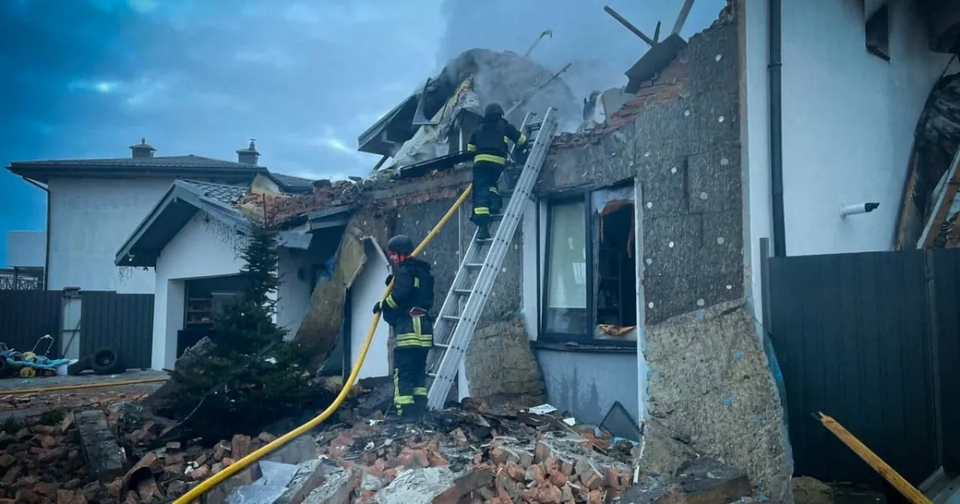
Zaporizhzhia region also faced direct harm to civilians. A strike on the regional capital hit a residential building and injured six people, including two children. In the Kyiv region, one person was reported killed, while civilian businesses and logistics facilities near Bila Tserkva were damaged. The combination of power infrastructure, homes, warehouses and delivery networks demonstrates how an energy attack can spread into daily economic life, disrupting not only utilities but also the movement of food, medicine and other essential goods.
Odesa infrastructure and logistics come under attack
Odesa and its surrounding districts were struck by a major drone assault that damaged civilian and energy infrastructure. Two women were wounded by shrapnel after a residential complex was hit. A logistics company and a paper-products factory were also damaged outside the city. Parts of two districts lost electricity, while some critical services operated with interruptions. The southern port region is vital to trade and supply routes, so damage there has consequences beyond the immediate blackout area.
Energy repairs under wartime conditions are especially difficult because crews must work around air-raid alerts and the possibility of repeat strikes. Replacement transformers, turbines and high-voltage components are expensive and can take months to manufacture. Temporary repairs may restore service but leave the network more fragile. Utilities must also ration limited equipment between regions, while local authorities organise heating points, generators and emergency communications for residents who may face prolonged interruptions.
Energy security remains a central front
The timing matters because cold weather transforms a power cut from an economic disruption into a direct threat to health and safety. Electric pumps support water and district-heating systems, while communications networks and medical facilities depend on stable supply. Gas-production losses can become more serious if inventories must cover a longer period. Ukraine has expanded imports, distributed generators and strengthened some protective structures, but a coordinated attack can still expose weak points across a highly interconnected system.
The full impact will depend on repair times, the extent of equipment loss and whether further attacks follow. Officials have not yet provided a complete national damage estimate. The confirmed facts already establish a serious new escalation inside the daily window: generation stopped at a thermal plant, gas production halted at a damaged site, five regions experienced outages and external power was lost again at Europe's largest nuclear facility. Restoring supply quickly will be essential, but preserving enough redundancy for the rest of winter is the larger challenge.
Ukraine's partners will also need to consider which forms of assistance can produce the fastest protection before the next major strike. Air-defence systems can reduce incoming damage, while transformers, mobile substations and generation equipment shorten recovery after an impact. Technical help with grid balancing and decentralised power can make the network less vulnerable to a single failure. None of these measures removes the danger to repair crews or civilians. They can, however, reduce the cascading effect that turns damage at one installation into widespread loss of heating and water. The latest attack should therefore be assessed both as a military event and as a test of the country's ability to keep essential civilian systems functioning through another winter.
PUBLISHED BY SUYASH PACHAURI, FOUNDER & OWNER, GLOBAL BOLLYWOOD | THE HOLLYWOOD SCOPE.