A Fairy Tale Changes Its Narrator
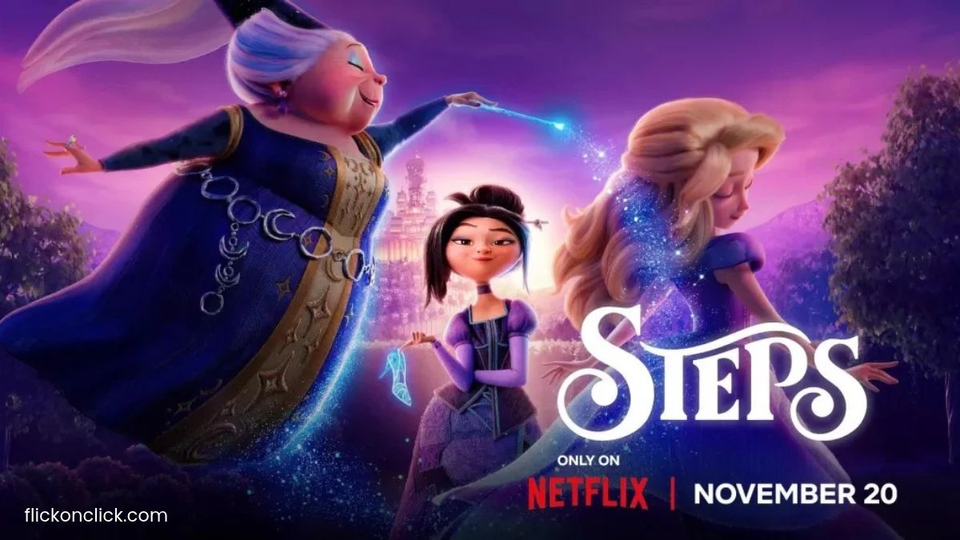
Steps retells Cinderella from the viewpoint of the sisters traditionally labelled cruel, vain and undeserving. Lilith, voiced by Ali Wong, breaks the frame to correct the familiar account, while Stephanie Hsu voices Margot and Amanda Seyfried plays Cinderella. The shift is more than a comic gimmick. It asks who gets to control a story repeated so often that its character judgments feel permanent. By making the sisters outsiders whose appearance and cultural identity differ from the kingdom's ideal, the film turns a fairy tale into a dispute over belonging. The concept is strong because children already understand the frustration of being described by someone else. Giving Lilith the narration restores agency before the magical plot begins.
Sisterhood Becomes the Emotional Centre
The most persuasive relationship is reportedly the bond between Lilith and Cinderella, two girls pushed into a family structure and expected to accept assigned roles. Their contrasting styles create comic energy: Lilith leans toward a dark, rebellious appearance, while Cinderella carries the bright visual language audiences recognise. Yet the film is at its best when those differences stop functioning as labels and become a reason for curiosity. Margot's transformation into a frog and the sisters' journey outside the city add adventure, but the emotional question remains whether they can reject the rivalry written for them. That emphasis allows Steps to challenge the original story without simply making Cinderella the new villain.
Magic, Villains and Too Many Threads
Bette Midler voices a less orderly Fairy Godmother whose misplaced wand creates the central chaos. Nikki Glaser's Priscilla and a guardian voiced by Peter Dinklage become the active antagonists, while Daniel Radcliffe supplies the prince. The large voice cast and multiple conflicts give the film constant movement, but they also contribute to its main weakness. Reported assessments note that the story introduces so many obstacles, romantic possibilities and side characters that the central ideas lose definition. A family film can support a busy ensemble, yet each additional thread competes with the sisters' emotional development. The result appears energetic and often funny, though not every setup receives a satisfying payoff.
Animation with a Y2K Glow
The visual design mixes fairy-tale light with textures and graphic elements associated with early-2000s teen magazines. Stickers and collage-like interruptions reinforce Lilith's direct address, while glowing illumination gives magical scenes a tactile warmth. The aesthetic helps the film distinguish itself from smoother, more generic computer animation. Music also supports the generational blend, pairing contemporary references with original material and a whimsical score. These choices may date the film deliberately, but nostalgia is used as a language for characters rather than as the entire purpose. The design communicates that old stories can be retold through the visual culture of children who inherited them.
A Worthwhile Reversal That Needed More Focus
Steps appears considerate about the audiences gathered around a family film. It includes physical comedy for younger viewers, knowing references for adults and lessons about identity for teenagers. That inclusiveness can feel calculated when every group receives a separate subplot, but the core message remains valuable: curiosity can replace the assumptions people inherit about one another. The film's imperfections are linked to generosity rather than cynicism. It wants to give every character a reason for being misunderstood, then struggles to hold all those explanations within one adventure. The Cinderella reversal works because it reveals how easily a famous story turns girls into categories. With fewer distractions, that insight might have landed more powerfully, but the animated film still offers a lively invitation to question who gets called wicked and why.
Representation Works Best When It Shapes Character
The stepsisters' Asian identity gives the film an opportunity to connect fairy-tale exclusion with the experience of entering a community that treats one appearance and manner as normal. That idea has personal roots for the filmmakers and can add depth beyond a routine diversity update. Its effectiveness depends on whether identity changes how characters understand family, beauty and belonging rather than appearing only through jokes or casting. The reported fourth-wall humour about the original white characters acknowledges the adaptation directly, but the emotional payoff comes when the sisters define themselves without asking the old story for permission. Steps may not develop every implication fully, yet placing these voices at the centre expands who is allowed to inherit and transform a famous Western tale.
Who Inherits a Famous Tale
The release also fits a wider animation trend in which studios revisit public-domain tales from viewpoints excluded by older versions. That strategy can produce shallow reversals if it only swaps heroes and villains. Steps is more interesting when it rejects the need for any girl to occupy the villain role. Its best promise lies in expanding relationships rather than redistributing blame, a lesson future fairy-tale adaptations would benefit from remembering.
Steps gives Cinderella's overlooked sisters a lively voice, even when too many subplots blur its freshest ideas.
PUBLISHED BY SUYASH PACHAURI, FOUNDER & OWNER, GLOBAL BOLLYWOOD | THE HOLLYWOOD SCOPE.