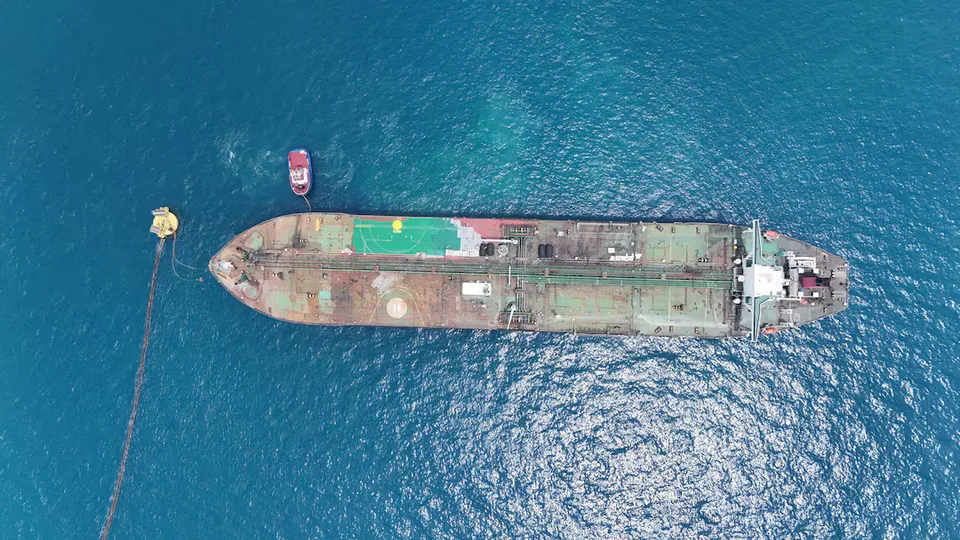
Attacks and harassment involving tankers in the Strait of Hormuz have reached their highest weekly level since the Iran war began. At least 12 incidents were reported between September 28 and October 5, affecting vessels carrying oil, liquefied natural gas and liquefied petroleum gas. The events included attacks, drone surveillance and confrontations linked to Iranian forces. The surge threatens crews and adds uncertainty to a waterway essential to global energy supply. Even when ships continue moving, higher insurance costs, slower routing and precautionary measures can raise fuel prices far beyond the Gulf.
Why the Strait of Hormuz Is So Important
The strait is a narrow maritime passage connecting major Gulf producers with international markets. Large volumes of crude oil, refined products and gas move through it each day. Alternative pipelines can bypass part of the route, but they do not have enough capacity to replace all seaborne trade. A prolonged disruption would therefore affect buyers in Asia most directly while tightening global markets. The strategic importance also makes the waterway a powerful pressure point during conflict, because a relatively small number of incidents can influence prices and behavior.
Maritime security organizations recorded different totals for the week because reporting standards and confirmation times vary. One multinational center counted at least 12 events, while the International Maritime Organization had nine in its record. The difference does not change the trend: activity has reached a new high for the conflict. Accurate reporting remains essential because rumor can move markets and send ships on costly diversions. Authorities should distinguish confirmed attacks, suspicious approaches and routine military presence.
Crews Carry the Immediate Human Risk
Tanker debates often focus on barrels and prices, but seafarers face the most direct danger. Twelve crew members were injured when a Panama-flagged tanker was struck by an unidentified projectile. Workers may spend days in confined conditions while drones or armed vessels operate nearby. Companies need clear emergency procedures, protected spaces, reliable communications and rapid medical support. Flag states and employers must also provide families with timely information. Commercial pressure should never override a master's authority to take measures necessary for safety.
The legal situation can be complicated when responsibility is uncertain. An attack may involve a state force, a proxy or an unidentified weapon. Investigators need radar data, damage analysis, communications and witness accounts before assigning blame. Premature claims can intensify conflict, while delayed attribution may reduce deterrence. Independent evidence and information sharing among coastal states, naval forces and shipping companies are therefore central to any credible response.
Energy Exports Can Rise Even as Risk Increases
Gulf exports briefly exceeded pre-war levels during part of September, showing that producers and shippers can adapt. More cargo, however, means more exposure if attacks grow. Naval escorts, altered schedules and increased surveillance can reduce risk but cannot guarantee protection across a busy corridor. Insurance premiums may remain high even when most voyages succeed because one severe incident could cause large losses. The market thus separates physical availability from the cost and confidence required to transport it.
A Second Chokepoint Is Also Under Pressure
Fighting near Bab el-Mandeb compounds the danger because that strait links the Red Sea with the Gulf of Aden. If both routes become unreliable, ships may travel much farther around Africa or buyers may compete more aggressively for supplies from other regions. Longer voyages consume more fuel and tie up tankers, effectively reducing transport capacity. This interaction explains why regional military events can influence diesel, aviation fuel and electricity costs thousands of kilometers away.
Governments are considering emergency stock releases to limit price spikes. Reserves can cushion a temporary loss but cannot make navigation safe. Diplomatic contact, deconfliction channels and clear consequences for attacks are necessary alongside naval protection. Military escorts must operate with disciplined rules because crowded waters increase the chance of accidental confrontation. The objective should be safe commercial passage rather than actions that turn every suspicious movement into a trigger for escalation.
The Highest-Risk Week Is a Warning
The record weekly incident count shows that resilience should not be mistaken for stability. Tankers are still moving and Gulf exports have not stopped, but the system is absorbing repeated shocks. Shipping companies need updated route assessments and crew protection, while energy buyers should diversify suppliers and plan for delays. International institutions must improve incident verification and support diplomatic efforts. The Strait of Hormuz remains open, yet its reliability can no longer be taken for granted while attacks, drone surveillance and military confrontation continue at this pace.
PUBLISHED
BY
SUYASH PACHAURI,
FOUNDER & OWNER,
GLOBAL BOLLYWOOD | THE HOLLYWOOD SCOPE