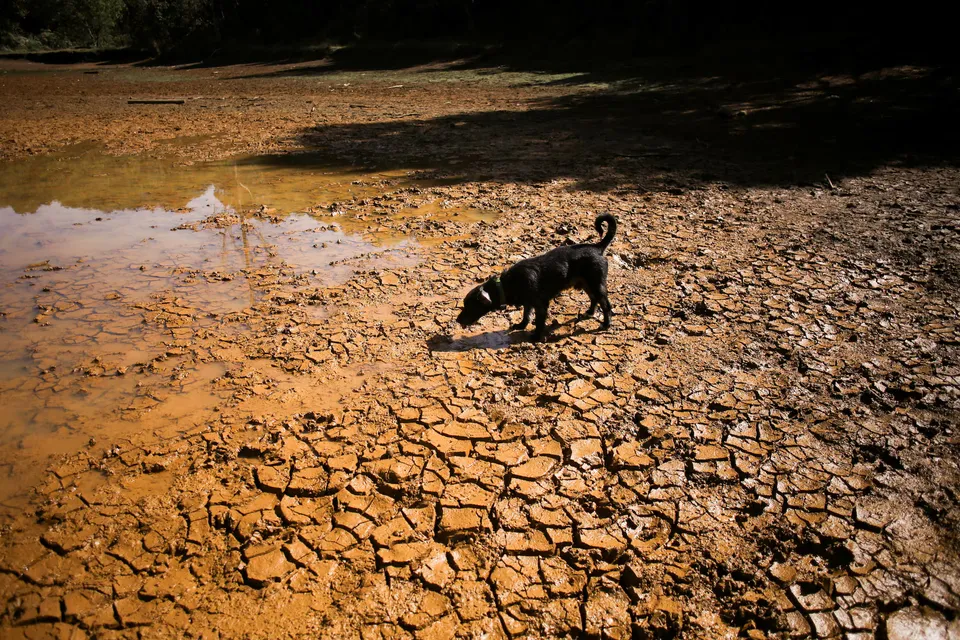
A powerful El Niño could produce a devastating global health toll, with new research estimating that extreme heat associated with this year's event may contribute to as many as 451,000 excess deaths between June 2026 and February 2027. The analysis also projects that the number of extremely hot days could rise by about 44 percent compared with normal years. The Super El Niño excess deaths estimate underlines a central reality of climate risk: temperature shocks are not only environmental events but public-health emergencies with unequal consequences across countries and communities.
Super El Niño excess deaths reveal the human cost of heat
Excess-death estimates compare observed or projected mortality with the number of deaths expected under normal conditions. They do not mean that every death can be individually attributed to one weather event. Instead, they capture how extreme heat can increase mortality across populations through cardiovascular stress, dehydration, kidney problems, respiratory complications and the worsening of existing illnesses.
Heat can be especially dangerous because its effects are often less visible than floods, storms or wildfires. A city may appear to function normally while hospitals see more patients, outdoor workers face dangerous exposure and older people struggle in homes without adequate cooling. The cumulative toll across many days and regions can therefore become enormous even without a single dramatic disaster scene.
A 44 percent jump in extremely hot days changes exposure
The projected increase in extremely hot days matters because health risk rises with both temperature and duration. Human bodies need time to recover from heat stress, particularly overnight. When hot days are followed by unusually warm nights, vulnerable people may experience sustained physiological strain. Repeated heat waves can also overwhelm electricity systems, hospitals and emergency services.
El Niño naturally affects global weather by shifting ocean and atmospheric patterns in the Pacific. Its influence can alter temperatures and rainfall far beyond the region where it begins. When a strong El Niño occurs on top of a warmer global climate, the baseline from which temperature extremes develop is already elevated. That combination can push conditions into ranges that local infrastructure and populations have rarely experienced.
The burden will not be distributed equally
The greatest danger often falls on people with the least ability to avoid exposure. Outdoor labourers, low-income households, elderly residents, people with chronic diseases and communities without reliable electricity or cooling face higher risks. Urban heat islands can make densely built neighbourhoods significantly hotter than surrounding areas, while informal housing may provide little insulation or ventilation.
Countries with strong health systems are not immune. Heat can affect transport, agriculture, power generation and workplace productivity even where air conditioning is common. But wealthier societies generally have more resources for early-warning systems, cooling centres and emergency response. The global death toll will therefore reflect social inequality as much as meteorology.
Heat preparedness can reduce mortality
The projected numbers are not destiny. Heat-health action plans can save lives when warnings trigger practical measures before temperatures peak. Governments can open cooling spaces, adjust school and work schedules, protect outdoor workers, check on isolated elderly residents and ensure hospitals are prepared for increased demand. Public communication must also explain that heat illness can develop quickly and that hydration alone is not always enough in extreme conditions.
Longer-term adaptation requires redesigning cities. Trees, reflective surfaces, shaded streets, ventilation and building standards can reduce local temperatures. Electricity systems need enough capacity to handle cooling demand without failing during the very periods when air conditioning is most necessary. These investments can protect people during ordinary heat waves as well as exceptional climate events.
Climate and health policy are increasingly inseparable
The Super El Niño warning demonstrates why climate planning must include mortality and public-health outcomes. Governments often discuss climate change through emissions targets, energy systems and economic costs. Those issues matter, but extreme heat translates climate risk directly into human survival. Better forecasting gives authorities a chance to act before the worst impacts arrive. The value of the research lies not only in the headline estimate of 451,000 excess deaths, but in identifying a window for prevention.
Exceptional El Niño events will eventually end, but the broader warming trend remains. That means future natural climate cycles will operate on a warmer planet and can produce increasingly dangerous extremes. The current warning should be treated as both an immediate public-health alert and a preview of the adaptation challenge ahead.
PUBLISHED BY SUYASH PACHAURI, FOUNDER & OWNER, GLOBAL BOLLYWOOD | THE HOLLYWOOD SCOPE.