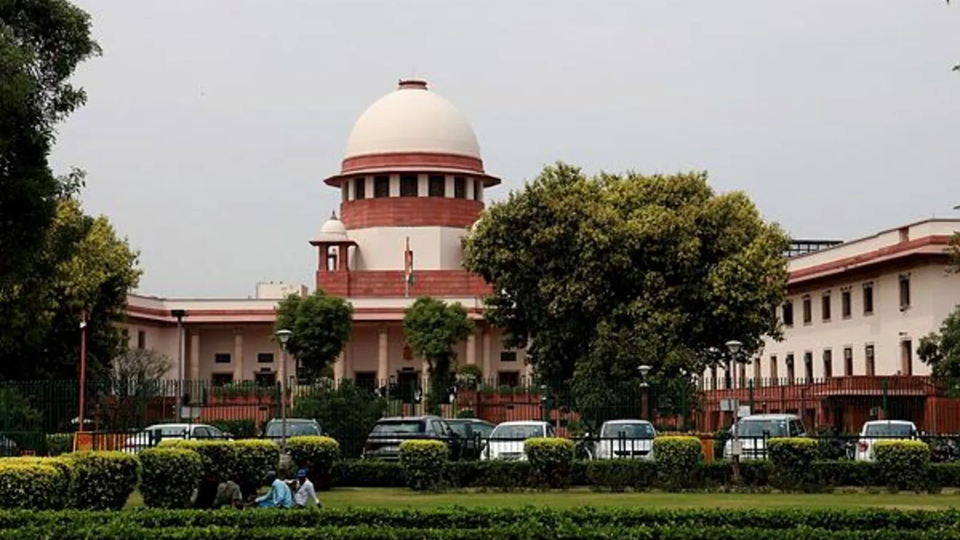
The Supreme Court has directed the Union government and the Delhi government to file a comprehensive response to petitions concerning alleged detentions during protests against Chief Election Commissioner Gyanesh Kumar. The order does not decide whether the allegations are true. It requires the government side to address the claims fully so the court can examine disputed accounts on a proper record.
The matter relates to demonstrations held in October, when petitioners alleged that political leaders and other participants were detained or removed during protests seeking the CEC's removal. Delhi Police has disputed at least part of that description, including in a habeas corpus matter where it said no arrest or detention had occurred. That disagreement makes precise legal language essential.
What the Supreme Court directed
A bench comprising Chief Justice Surya Kant and Justices Joymalya Bagchi and V Mohana asked for a comprehensive response after being told that replies had been filed only in some of the connected petitions. The direction is procedural but important. It aims to ensure that the court receives one complete account of the government's position across the issues raised.
The petitions include allegations about detention, treatment of protesters and restrictions imposed during the demonstrations. Each issue may involve different facts, officers and legal powers. A comprehensive affidavit can help separate what is admitted, what is denied and what requires evidence rather than leaving the bench to compare incomplete responses.
Allegations remain contested
Petitioners have described actions against protesters and political figures as illegal detention or removal. The authorities have challenged that characterization in at least one case. A person can be stopped, escorted away, restricted or formally detained under different legal circumstances, and those distinctions affect which constitutional and statutory protections apply.
This article does not resolve that dispute. The court has not issued a final finding that unlawful detention occurred, and the government response has not yet been fully considered. Reporting should therefore continue to use terms such as alleged and petitions claim, while also stating the police position where relevant.
Why habeas corpus questions matter
Habeas corpus is a safeguard against unlawful deprivation of liberty. It allows a court to require authorities to account for a person's custody. One connected plea concerned the alleged removal of a political leader from a protest site, while police maintained that no arrest or detention took place and argued that the petition had become ineffective.
The legal question can extend beyond whether someone spent time in a police station. Courts may need to examine the degree of restraint, the authority used and whether the person's freedom of movement was meaningfully curtailed. Those conclusions depend on evidence, not the political identity of the protester or the popularity of the cause.
Protest rights and public order
The case sits at the intersection of the right to protest and the state's duty to maintain public order. Peaceful assembly is a constitutional freedom, but it can be regulated through lawful, proportionate restrictions. Authorities may manage routes, traffic and safety, yet any use of detention or force remains open to judicial review.
The court's request for a fuller response can clarify how decisions were made during the October demonstrations. Relevant questions may include whether orders were issued, what powers officers relied upon, how long any restrictions lasted and whether participants had access to legal protections. The eventual record will matter more than competing public statements.
The next stage of the case
Once the Centre and Delhi government submit their response, petitioners will have an opportunity to examine and contest it under the court's procedure. The bench can then decide whether further affidavits, records or individual explanations are necessary. It may also separate petitions that raise distinct factual questions rather than treating every incident as identical.
No final relief should be assumed at this stage. The court could accept parts of the government account, seek more evidence or issue directions after hearing all sides. The present development is that the bench has required a comprehensive answer, not that it has endorsed the allegations.
A test of transparent accountability
Public confidence benefits when contested police action is documented clearly. A detailed response can identify the legal basis for restrictions and expose gaps if records do not support official claims. It can also prevent inaccurate generalisations by distinguishing between arrest, temporary restriction, removal from a site and voluntary departure.
The Supreme Court's direction creates a structured path for that examination. The case remains open, and the competing versions must be tested through evidence. Until that happens, the responsible account is balanced: serious allegations have been placed before the court, the authorities dispute key elements, and both the Centre and Delhi government have now been asked to respond comprehensively.
PUBLISHED BY SUYASH PACHAURI, FOUNDER & OWNER, GLOBAL BOLLYWOOD | THE HOLLYWOOD SCOPE.