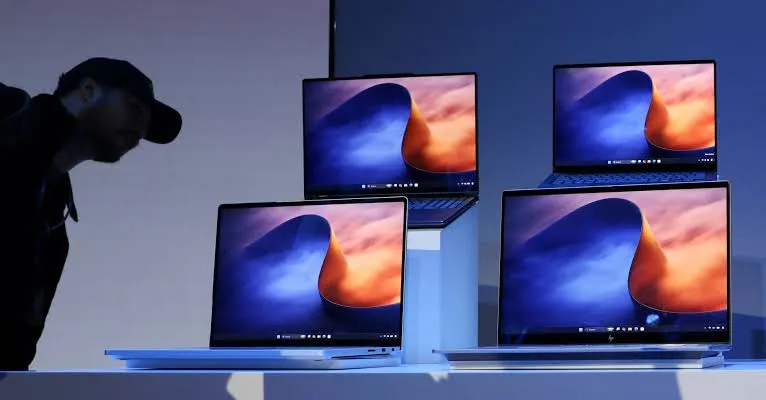
Microsoft and Nvidia are preparing a new class of Windows computer designed to run advanced artificial intelligence agents directly on the device. The Surface Laptop Ultra uses Nvidia's RTX Spark chips to handle demanding work such as software development and complex business tasks without continuously sending data to the cloud. The on-device AI computing strategy could reduce latency, improve privacy and move part of the cost of AI infrastructure from data-center operators to customers. It also raises difficult questions about price, security and whether local agents can be trusted with broad access to files and applications.
Why the Surface Laptop Ultra Is Different
Most current AI assistants rely heavily on remote servers. A user sends a request, a model processes it in a data center and the result returns over the internet. Powerful local hardware changes that flow. An agent could analyze documents, write code or coordinate applications even when connectivity is limited. Sensitive material may remain on the machine, and responses can arrive faster. For businesses with strict data rules, local processing is especially attractive because it reduces the number of systems that handle confidential information.
The machine also represents a strategic shift for both companies. Microsoft can make Windows the central operating environment for autonomous tools while reducing some pressure on its costly cloud infrastructure. Nvidia gains an opportunity in a personal-computer market historically dominated by Intel and AMD. Success would expand demand for its chips beyond data centers and gaming. The partnership therefore connects software, operating-system control and specialized hardware in a single product that could influence how other manufacturers design premium AI PCs.
Local AI Agents Need Strong Security Boundaries
An agent that can perform useful work needs permission to open files, run programs and communicate with online services. Those capabilities create a larger attack surface than a conventional chatbot. Malicious instructions hidden in a document or website could attempt to manipulate the agent, extract data or trigger unintended actions. The operating system must separate planning from execution, require confirmation for sensitive steps and maintain a clear record of what the agent changed. Users should be able to revoke access easily and restore files when automation goes wrong.
Hardware isolation can help by keeping models and credentials inside protected memory, but security will depend on software design and update discipline. Enterprises will want centralized policies defining which models may run, which folders are accessible and whether outputs can leave the device. Independent testing is essential because a marketing claim of private AI is not enough. A system is only as private as its telemetry, plug-ins, synchronization settings and recovery tools. Clear explanations will be necessary for buyers who cannot audit technical implementation themselves.
The Price of On-Device AI Could Limit Adoption
High-performance memory has become expensive, and that threatens the original promise that local AI would lower costs. Nvidia recently raised the price of a desktop AI system with 128 gigabytes of memory by about 75% to $6,950. A premium laptop will have different specifications, but the same memory shortage affects the market. If capable machines remain far above mainstream budgets, local agents may be confined to developers, financial firms and other organizations that can justify the investment through productivity gains.
Software Readiness Is No Longer the Only Bottleneck
Two years ago, suitable hardware was arriving before applications could take full advantage of it. The balance is changing. Models are becoming smaller and agent software more practical, while the cost of components is rising. Developers must optimize systems to deliver useful performance without requiring the largest possible model. Techniques such as quantization, task-specific models and selective cloud escalation can make local computing more affordable. The best products may combine device and cloud resources intelligently rather than insisting that every workload run in one place.
Battery life and cooling will also affect the user experience. Sustained AI processing can consume substantial power and generate heat, which is easier to manage in a server rack than in a portable computer. Buyers will judge whether the laptop remains quiet, lasts through a working day and provides clear performance modes. Efficient chips and scheduling can reserve heavy tasks for periods when the device is plugged in. Without that discipline, impressive demonstrations may not translate into everyday usefulness.
A New Contest for Control of Personal Computing
The Surface Laptop Ultra is more than a hardware launch. It is a test of whether the next generation of AI will live mainly in centralized clouds or move closer to users. Local execution offers speed, privacy and resilience, but it demands stronger security and expensive components. Microsoft and Nvidia must demonstrate that agents can complete valuable work without exposing a user's entire digital life. If they succeed, the Windows PC could become an active collaborator rather than a passive terminal, opening a major new market for on-device AI computing.
PUBLISHED
BY
SUYASH PACHAURI,
FOUNDER & OWNER,
GLOBAL BOLLYWOOD | THE HOLLYWOOD SCOPE