A November Premiere That Still Matters for Christmas Viewing
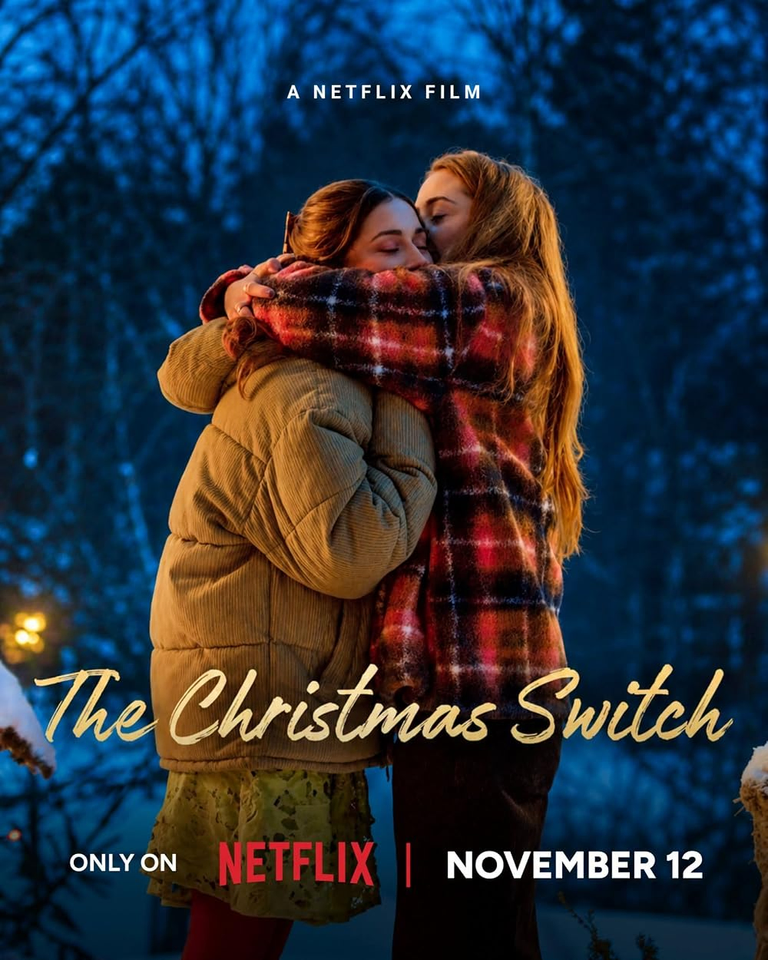
The Christmas Switch arrived globally on Netflix on November 12, 2026, several weeks before the holiday season reaches its busiest viewing period. The Swedish romantic comedy pairs a familiar storytelling device, two contrasting lives exchanged, with a more personal point of difference: its central sisters are played by sisters in real life. Rather than treating an earlier promotional announcement as new information, this guide concentrates on the film viewers can now choose, its established creative team and the questions worth bringing to a festive watchlist.
Netflix introduced its first look on October 13, almost a month before the film premiered. That earlier publicity and the November streaming debut are separate events. The film became available on November 12, and its seasonal premise remains relevant as audiences plan their November and December viewing. The confirmed release should not be confused with the date on which a trailer, still photograph or cast announcement first circulated.
What Is the Film About?
At the centre of the story are Mathilda and Freddie, sisters who have followed sharply different paths. Mathilda is comfortable in her small village and has barely ventured beyond the life she knows. Freddie is a busy city resident whose working habits and social energy appear to belong to another world. Shortly before Christmas, an unexpected turn leads them to exchange their everyday lives, asking each to confront the circumstances the other has been living with.
The resulting premise offers more than the simple surprise of a country woman navigating city habits or a city woman adjusting to a quieter place. Each sister must consider whether the routines she has defended have become limits. The official description also places romance within their unfamiliar environments. What changes for the characters is not simply an address but their perspective on work, belonging, affection and personal happiness.
The Two Sisters and the Lead Performances
Felice Jankell and Happy Jankell play Mathilda and Freddie. Their real-life relationship is a central casting distinction, although an actor's family connection should not be mistaken for proof of how a performance works on screen. The premise needs the audience to understand two people who share a history yet interpret ambition and contentment differently. Viewers can assess how the two leads balance comedy and vulnerability without expecting the characters to be interchangeable.
A story built around contrasting siblings depends upon credible differences in rhythm, not merely contrasting wardrobes or locations. The film's advertised personalities give the performers opportunities to explore pride, insecurity and curiosity. Its emotional question is whether seeing a familiar world through someone else's obligations changes how an individual interprets her own choices. Any fuller judgment about the effectiveness of those scenes belongs in a separately watched and substantiated review.
Supporting Cast and Creative Credits
The announced supporting cast includes Christian Fandango, Celie Sparre and Anastasious Soulis. Official promotional information confirms their participation but does not establish every character arc or relationship in enough detail to justify inventing plot-specific roles. For readers seeking a reliable cast guide, the crucial distinction is between confirmed performers and unverified descriptions circulating elsewhere.
Adam Pålsson directs The Christmas Switch, marking his feature directorial debut. The screenplay is credited to Christin Magdu and Mikael Syrén, while story credits also include Michaela Hamilton and Lina Åström. These credits help explain why the film should be considered a distinct Swedish production rather than a generic version of an American Christmas comedy. Its setting, creative team and language are part of the viewing experience.
How the Credits Shape a Distinct Production
From an Audiobook to a Screen Story
The film draws on the audiobook Christmas in St. Anna, also known by its Swedish title Jul i Sankt Anna, written by Eleonor Sager. Bringing an audiobook to screen requires a different balance of information: a listener can be guided by narrative voice, whereas a film places more of the emotional argument in images, actions and exchanges between characters. The adaptation's existence is confirmed, but the specific extent of narrative changes should not be asserted without checking the original work against the finished film.
Eleonor Sager is also credited as a producer, and the film is associated with Breakable Films AB. Lena Rehnberg, Hadis Jabbari and Viktor Linnell are named among the executive producers. These production details establish the project's origin and involvement without pretending that the public credits reveal the day-to-day creative choices behind individual scenes.
A Holiday Comedy With Two Kinds of Home
The contrast between a village and a city is a traditional source of comedy, but it can also become a way to question what people imagine they are missing. Mathilda's familiarity with her surroundings may look reassuring to one viewer and restrictive to another. Freddie's pace may seem liberating to some and exhausting to others. A change of roles creates the narrative conditions for both characters to examine assumptions that everyday habits usually protect.
The Christmas setting gives these questions a natural time limit. Holidays bring reunions, expectations and decisions about whom to spend time with. In a romantic comedy, that pressure can sharpen the question of whether a newly discovered attachment will survive a return to normal circumstances. This is an interpretation of the public premise, not a claim about the film's ending or a previously unseen scene.
Why the Swedish Origin Is Important
International holiday entertainment increasingly travels beyond its country of origin through streaming. The Christmas Switch is a Swedish feature released to a worldwide audience, making the specific cultural setting part of what differentiates it on a crowded seasonal menu. The characters' lifestyles and the wintry festive backdrop may be familiar in broad outline, but viewers should allow the language and local storytelling sensibility to establish their own texture.
A global release does not mean every account offers identical audio options or that an English-language dub is guaranteed in every market. Available languages, subtitles and playback features can depend on territory and device. Anyone selecting the film for a group should check the options displayed on the actual Netflix title page before promising a particular language track.
Release Date and Where to Watch
The film's confirmed global streaming premiere is November 12, 2026. The platform's media information lists an 8:00 a.m. GMT release time for the United States listing on that date, equivalent to 1:30 p.m. in India. That precise media listing is more useful than guessing a release time from a typical streaming schedule. By November 23, the premiere date is a past event, so this feature serves as a viewing guide rather than a countdown to a future launch.
A streaming listing is different from a cinema engagement, a television broadcast or a physical-media release. The confirmed destination here is Netflix. No separate theatrical tour, disc date or sequel has been substantiated in the production information used for this guide. Readers should resist turning publicity for a new holiday title into promises about formats the distributor has not announced.
A Confirmed Date, Not a New Announcement
What Viewers Should Expect and What Is Not Confirmed
Audiences can reasonably expect a sister-centred romantic comedy with contrasting environments, adjustments to unfamiliar routines and romantic possibilities during the run-up to Christmas. Those elements appear in the official synopsis. There is no need to supply an invented twist, identify a final partner or reveal a supposedly decisive scene to make the film sound interesting. Such embellishments would convert a dependable preview into unsupported plot narration.
The feature also does not claim that the film has received a particular critics' score, chart ranking or viewership total. These figures change and require dated measurement. Until independently checked, they should not be folded into a backfilled November 12 article merely because later conversation about the film becomes widespread. A timeless cast, context and viewing guide is more useful here than a stale claim of viral success.
A Practical Choice for a Seasonal Watchlist
The Christmas Switch may appeal to viewers who prefer a relationship-led holiday story rather than spectacle or action. Its two-lead structure gives friends and families something to discuss afterward: which sister's choices seemed more understandable, and whether the situation invited empathy for someone living very differently. Viewers seeking verified information about cast and adaptation can use this guide without assuming that it constitutes a full critical review.
The film's real-life sister casting, Swedish literary starting point and first-time feature director provide three concrete reasons to distinguish it from other November holiday releases. They also create a sensible framework for future criticism once the complete work has been assessed directly. For now the November 12 launch remains the dated news fact, while the film's identity and creative background continue to be of practical interest throughout the holiday season.
PUBLISHED BY SUYASH PACHAURI, FOUNDER & OWNER, GLOBAL BOLLYWOOD | THE HOLLYWOOD SCOPE.