A steep increase from January
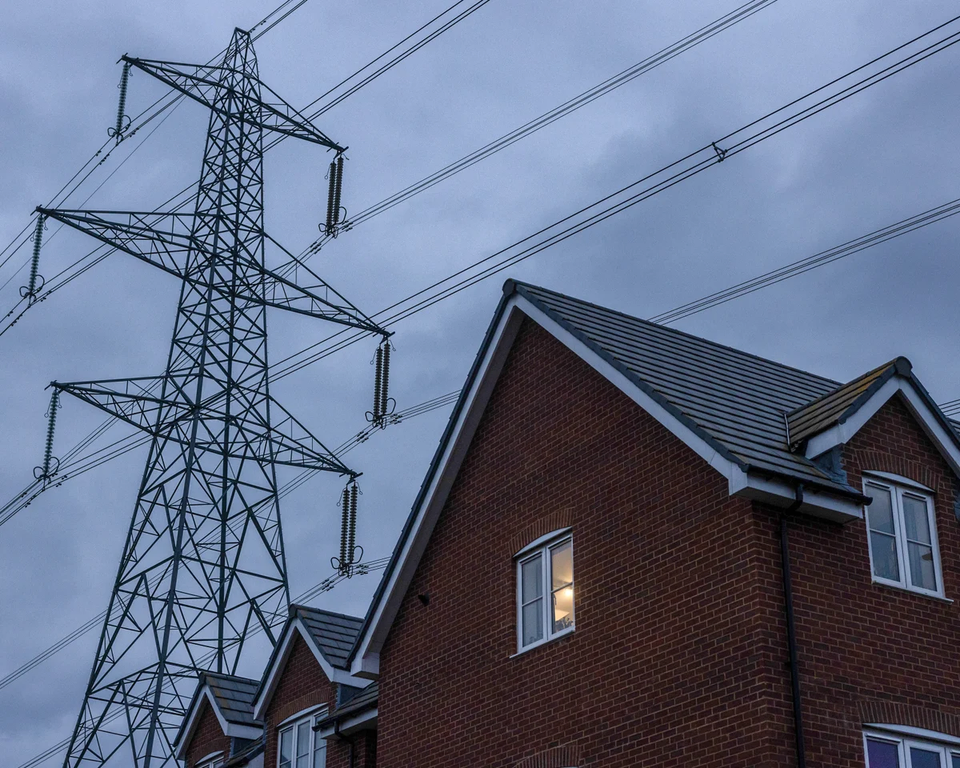
Millions of British households face a substantial rise in energy costs after the domestic price cap was increased by 26 percent for the quarter beginning in January. The new annualised figure for a household with typical gas and electricity use is GBP 2,166, which is GBP 443 above the current level and the highest cap since April 2023. Around 20 million households on variable tariffs are affected, making the decision a major cost-of-living event rather than a niche energy-market adjustment.
The cap does not set a maximum total bill. A household that uses more energy pays more, while lower consumption can reduce the charge. It limits the unit rates and standing charges suppliers can apply to covered customers. The headline annual figure is therefore a benchmark based on typical use. This distinction matters because families in larger, colder or poorly insulated homes may face bills above the stated amount, even though they remain within the regulated tariff structure.
Wholesale gas drives the change
Wholesale gas prices have risen sharply because conflict in the Middle East has disrupted shipping and restricted liquefied natural gas exports from Qatar. Britain is particularly exposed because imported gas often sets the marginal price of electricity as well as the cost of household heating. Network charges and environmental and social levies also contribute to the cap, but the latest jump reflects the renewed pressure in international fuel markets. Domestic regulation can distribute those costs over time, yet it cannot remove them entirely.
The increase comes despite a 5 percent tax removal on domestic electricity bills that took effect in October. Many households will also receive a one-time GBP 100 government payment in January, but that support is not included in the cap calculation. The payment will soften the first bill for eligible consumers without changing the underlying tariff. Forecasts suggest only a very small reduction in April, meaning the relief could fade while elevated monthly costs remain.
Inflation and arrears are likely to rise
Higher utility bills feed directly into household inflation and indirectly into the price of goods and services. Businesses face their own energy costs, while workers seek wages that cover essential expenses. The Bank of England has already forecast inflation could reach about 5 percent by the middle of next year. A larger energy contribution may keep interest rates higher for longer, affecting mortgages, borrowing and investment even for people whose own electricity or gas use is modest.
Household energy debt is another concern. Consumers already owe about GBP 6 billion in unpaid bills, and the total is expected to reach GBP 7 billion by year-end. A sharp January increase could push more accounts into arrears just as heating demand peaks. Suppliers must manage debt while following rules on vulnerable customers and disconnections. Advice agencies and local authorities are likely to see greater demand for budgeting support, emergency grants and help with payment plans.
Long-term resilience requires more than bill support
The government says it wants to reduce costs by increasing domestic wind and solar generation. Additional low-carbon power can reduce exposure to imported gas over time, but new projects require grid connections, planning approval and storage or backup capacity. Home insulation and efficient heating can also lower consumption, yet the households most in need often struggle to fund improvements. Short-term payments protect consumers from immediate hardship; infrastructure and efficiency determine whether the same vulnerability returns during the next international energy shock.
For households, the practical next step is to review actual consumption, tariff terms and eligibility for assistance before January. Fixed deals may offer certainty, but they should be compared carefully against the regulated cap and exit conditions. The confirmed change is severe: a 26 percent rise affecting roughly 20 million variable-tariff customers. Its wider importance lies in the link between geopolitics, imported fuel dependence and domestic living standards, a connection that will remain central to Britain's economic outlook through 2027.
The increase will not affect every household in the same way. People using prepayment meters, customers with fixed contracts and residents of homes without mains gas may face different prices and support arrangements. Tenants may also have limited control over insulation or heating systems, even though they pay the bills. Policymakers should therefore examine distribution as well as the national average. Targeted help can be more effective when it reaches households with high unavoidable consumption, medical equipment or poor housing efficiency. Clear communication is vital because the cap, the GBP 100 payment and supplier-specific tariffs are separate elements. Confusion can stop eligible consumers from seeking assistance or lead them to choose a fixed deal that is not actually cheaper.
PUBLISHED BY SUYASH PACHAURI, FOUNDER & OWNER, GLOBAL BOLLYWOOD | THE HOLLYWOOD SCOPE.