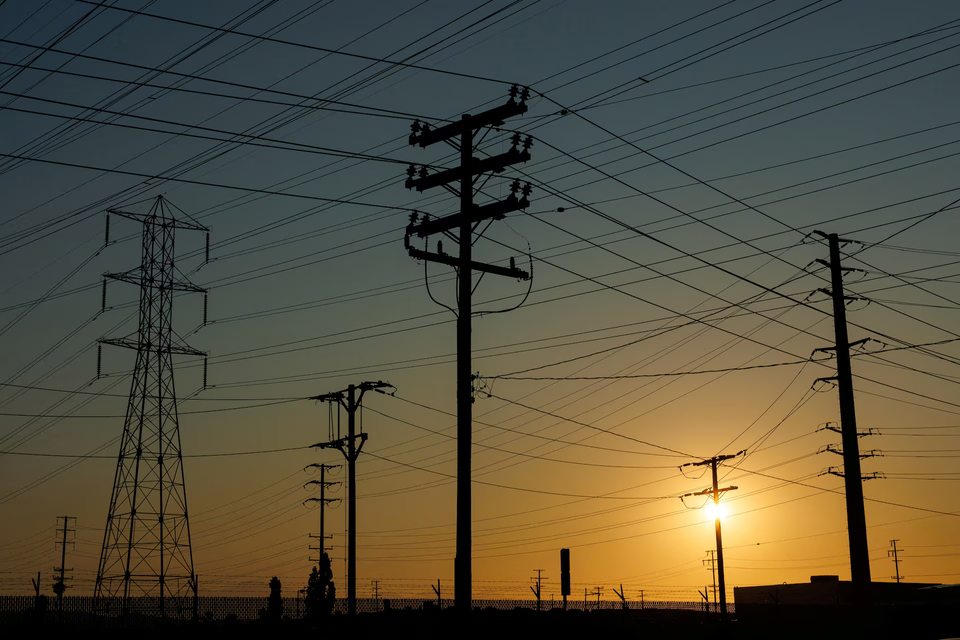
A sweeping US energy permitting bill is moving toward a final Senate vote with consequences for data centres, wind farms, transmission lines, pipelines and other major infrastructure. The 400-page Bipartisan American Affordability and Jobs Act is designed to shorten environmental reviews, coordinate government decisions and reduce the time available for litigation. Supporters say the overhaul could expand the electricity system and lower consumer costs. Critics warn that faster approvals may weaken environmental safeguards and limit the ability of local communities and tribal nations to challenge projects that affect land, water and sacred sites.
The debate has gained urgency because artificial intelligence is rapidly increasing electricity demand. New data centres require large amounts of reliable power, while transmission bottlenecks can delay renewable projects and raise costs across the grid. The bill would set a two-year target for major federal environmental reviews, compared with an average of more than four years today. It would also require large computing facilities to carry a greater share of the grid costs they create, addressing public concern that ordinary households could subsidise private technology expansion.
Why permitting has become an economic issue
Both major political parties agree that the United States often takes too long to build large projects. The SunZia transmission line, designed to carry wind power from New Mexico toward Arizona and California, took nearly two decades to move from proposal to completion. Delays of that scale can block investment even when a project has financing and customers. They can also prevent new power generation from reaching areas where demand is growing, leaving consumers exposed to higher prices and reducing the reliability of the system.
The problem is no longer limited to traditional energy policy. Artificial intelligence has made electricity infrastructure a central part of technology strategy. Data centres can be built more quickly than transmission corridors or new power plants, creating a mismatch between digital investment and physical capacity. When the grid cannot expand at the same pace, utilities may need costly upgrades. The bill attempts to speed construction while placing more of the burden on the facilities that create the demand.
What the legislation would change
The proposal would impose deadlines on many federal reviews, require agencies to coordinate their decisions and create a federal tracker so applicants and the public can follow the process. Major reviews would be targeted for completion within two years. The legislation also seeks to restrict some legal challenges and reduce the risk that a change of administration can abruptly cancel a project after years of planning. Those provisions are meant to give developers more certainty, although they also raise questions about whether public objections will receive enough time and attention.
Supporters argue that delay itself imposes a cost. The White House Council of Economic Advisers estimates the measure could increase annual output by $82 billion to $164 billion and cut average household electricity bills by roughly $178 to $251 each year. Independent studies also project benefits from increased transmission capacity. One estimate identified $350 billion in savings through 2050, while another found that the changes could reduce climate-warming emissions by helping more clean power reach consumers.
Environmental and tribal concerns remain unresolved
Environmental organisations support parts of the bill that would accelerate transmission and clean energy, but they argue that the same framework could make fossil-fuel projects easier to approve. Faster timelines may reduce the opportunity to examine effects on wildlife, water and communities located near construction. Tribal organisations have raised a related concern, warning that speed should not come at the expense of consultation or the protection of sacred sites. Those objections are central because infrastructure projects often cross several jurisdictions and affect people who do not share equally in the economic benefit.
The conflict is therefore not a simple contest between building and blocking. A modern grid requires new lines, storage, generation and data-centre connections. At the same time, approval systems exist to identify harms before they become permanent. The legislation's durability will depend on whether it can preserve meaningful review while preventing process from becoming indefinite. If affected communities conclude that the system has been closed to them, faster approvals may produce stronger resistance and longer disputes outside the formal timetable.
The political path remains uncertain
The Senate has cleared procedural hurdles with broad support, but a final vote and consideration in the House remain. Democrats are divided between those who want to pass the bipartisan agreement now and those who believe a stronger version may be possible when their party controls both chambers next year. The disagreement is intensified by concern over whether the current administration will follow the law consistently, particularly after opposition to wind projects and earlier policy reversals affecting major energy infrastructure.
Whatever happens to this bill, the underlying pressure will continue. Electricity demand from artificial intelligence, electrification and industry is rising faster than many parts of the grid can respond. The United States must decide how to build quickly without weakening trust in environmental law. A permitting system that is slow but careful can fail by preventing essential infrastructure. A system that is fast but dismissive can fail by shifting costs and damage onto communities. The current vote is an attempt to find a workable balance between those risks.
PUBLISHED BY SUYASH PACHAURI, FOUNDER & OWNER, GLOBAL BOLLYWOOD | THE HOLLYWOOD SCOPE.