Washington takes its Iran enforcement campaign deeper into Asia
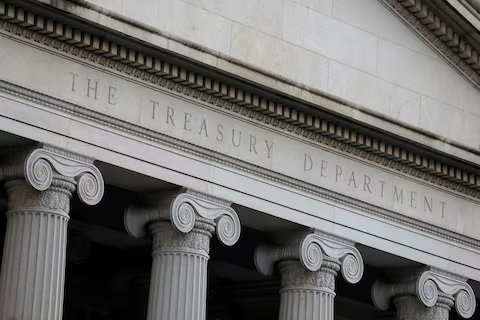
The United States has intensified its campaign to restrict Iran's overseas commercial networks by pressing authorities in Singapore and Malaysia to strengthen scrutiny of businesses, financial institutions and professional services that could be used to evade sanctions. Treasury officials met regulators and national security bodies in both countries during the week, placing Asian financial and trading hubs at the centre of a wider effort to identify companies that may be acting as fronts for Iranian interests.
The discussions focused on sectors that can move money, equipment and commodities across borders with limited public visibility. Maritime transport, aviation services, banking, legal work and procurement networks were all identified as areas where enhanced checks may be required. The message from Washington is that enforcement will not be confined to directly sanctioned Iranian entities. Overseas intermediaries that knowingly support restricted transactions could also face serious consequences.
Shipping and oil transfers remain a central concern
The waters around Malaysia, Singapore and Indonesia have long been important to global energy trade, making the region a natural focus for sanctions monitoring. Ship-to-ship oil transfers can be legitimate, but complex ownership structures, altered documents and repeated vessel movements can make the origin of a cargo difficult to trace. Authorities have previously tightened rules and carried out seizures when transfers raised questions about ownership or compliance.
For banks, insurers and port operators, the practical challenge is to distinguish ordinary commercial activity from transactions designed to conceal a sanctioned connection. A tanker may change its name, flag, management company or declared destination several times. Payments may travel through multiple jurisdictions before reaching the ultimate beneficiary. That complexity increases the importance of beneficial-ownership checks, vessel-history analysis and coordination between financial and maritime regulators.
Aviation and procurement networks face closer examination
Aviation has emerged as another sensitive part of the enforcement push. Iranian carriers and companies supporting aircraft operations have faced restrictions over allegations that aviation networks can be used to move personnel, weapons or controlled equipment. A recently operated connection between Tehran and Kuala Lumpur has drawn attention to the continuing commercial links that enforcement officials want local authorities and service providers to examine carefully.
Procurement networks present a similar problem. Restricted components can be purchased through apparently unrelated trading companies and routed through several markets before reaching their final destination. Exporters, freight forwarders and financial institutions may therefore need to examine the purpose of a transaction rather than relying only on the name of the immediate customer. Small inconsistencies in end-user documents, payment instructions or shipping routes can become important warning signs.
Singapore and Malaysia balance compliance with commercial interests
Singapore has reiterated its commitment to preventing misuse of corporate structures and strengthening vigilance in its financial and maritime industries. Malaysia has also taken enforcement action against suspicious ship transfers in the past. Both countries implement United Nations sanctions, while unilateral American restrictions create an additional layer of commercial risk for companies that depend on access to the dollar system or international banking relationships.
That distinction matters because a transaction may be lawful under local rules but still expose a company to American enforcement or the loss of important business relationships. Large banks and multinational companies generally maintain strict screening systems, yet smaller trading firms and service providers may not have the same resources. The latest pressure could lead to more compliance spending, delayed transactions and increased demands for documentation across the region.
What comes next
The next phase will depend on whether the warnings lead to new investigations, sanctions designations or stronger local reporting requirements. Companies operating in shipping, aviation, energy trading and financial services are likely to review customers and counterparties connected to Iran, particularly where ownership is opaque or trade routes change without a clear commercial explanation.
For Iran, the tightening net raises the cost of maintaining overseas revenue and procurement channels. For Southeast Asian hubs, it creates a test of regulatory coordination: they must protect legitimate trade while showing that their financial and transport systems cannot be used to conceal restricted activity.
The pressure could also reshape commercial behaviour before any formal penalty is announced. International banks often reduce exposure when compliance risk rises, while insurers and shipping companies may demand additional warranties from customers. That preventive response can isolate a targeted network more quickly than a single enforcement case, but it can also delay legitimate transactions that involve countries or commodities considered sensitive.
Regional cooperation will be essential because a company removed from one jurisdiction can reappear under a different name elsewhere. Shared ownership data, coordinated vessel monitoring and clear guidance for professional advisers would make evasion more difficult. Without that cooperation, enforcement may simply displace questionable activity from one port or financial centre to another.
PUBLISHED BY SUYASH PACHAURI, FOUNDER & OWNER, GLOBAL BOLLYWOOD | THE HOLLYWOOD SCOPE.