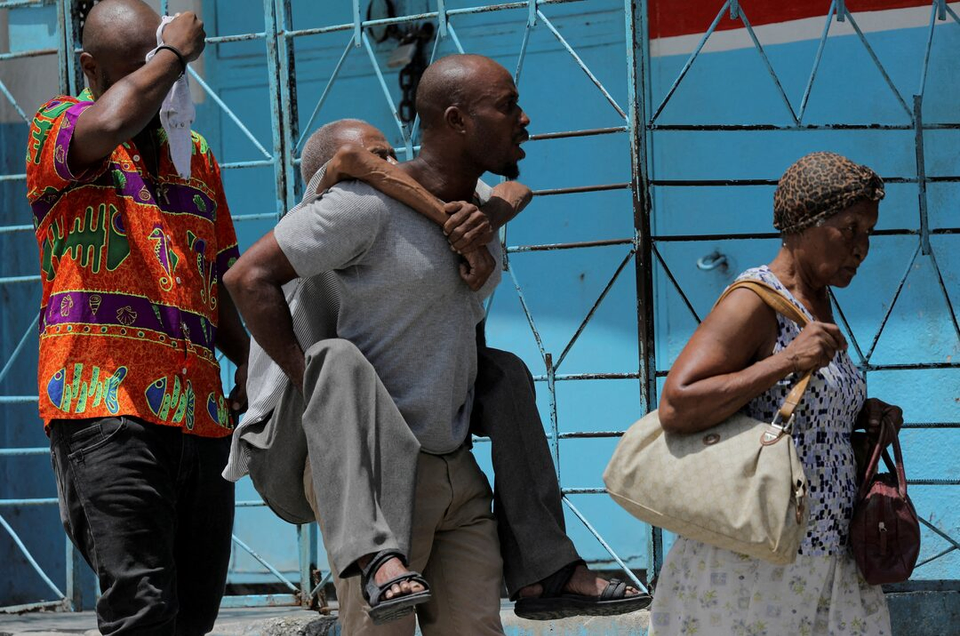
Emergency Support Reaches a Hospital Carrying a National Burden
The World Health Organization has committed one million dollars for critical equipment at Hopital Universitaire La Paix in Port-au-Prince as Haiti's health system struggles under violence, displacement and disrupted supply chains. The package will include a computed tomography scanner and equipment for four operating rooms, strengthening a hospital that has become a lifeline for patients who have few alternatives.
La Paix is the last major public referral hospital still operating in the capital. That status means the equipment is not a routine upgrade. It is intended for a facility receiving trauma, surgical, maternity and emergency cases while other centres are closed or functioning only partly. The support can improve diagnosis and treatment, but it cannot replace the security, staff and reliable supplies needed to keep the hospital operating.
Health Facilities Are Closing Across the Capital
Nearly half of health facilities in Port-au-Prince are non-functional, while only 12 percent are partially operating. Across Haiti, 24.5 percent of facilities are not functioning and another 48.5 percent can provide only partial services. These figures show a system in which the majority of sites cannot deliver their normal level of care.
Armed violence has forced closures, blocked movement and interrupted deliveries of medicine and equipment. Patients may delay treatment because roads are unsafe or transport is unavailable. Health workers face the same dangers while trying to reach their jobs. A damaged system also becomes less able to detect outbreaks, maintain vaccination and provide prenatal or chronic care.
Displacement Adds Pressure to Every Service
Haiti now has about 1.5 million internally displaced people, many living in temporary or crowded conditions. An estimated 4.9 million people need health assistance in 2026. Displacement increases exposure to infectious disease, malnutrition, violence and mental-health stress while separating families from their usual clinics and medical records.
The burden is visible at La Paix. Since January, the hospital has treated more than 19,575 emergency patients, including 291 people with gunshot wounds. It performed 3,086 surgeries and managed 1,442 high-risk deliveries. Those numbers demonstrate exceptional activity, but they also reveal how much care is concentrated in a single institution.
Equipment Helps Only When the Wider System Works
A CT scanner can speed diagnosis of head injuries, internal bleeding and other urgent conditions. Operating-room equipment can increase surgical capacity and safety. Yet advanced machines require electricity, maintenance, trained staff, spare parts and secure access. The funding must therefore be connected to a plan for installation, operation and continued service.
Support is also needed for primary care, disease surveillance, maternal health, immunisation, nutrition and mental-health services. Keeping smaller facilities open can prevent every case from reaching the referral hospital. International assistance has helped reduce cholera transmission and sustain care, but the scale of need remains much larger than one grant.
Haiti Needs Sustained Support and Safer Access
More than 30 million dollars has been mobilised for Haiti's health response over the last two years. The new commitment gives one hospital urgently needed tools, while the broader crisis requires predictable financing and protection for patients, staff and supply routes. Health services cannot be stabilised if violence repeatedly forces them to close.
The immediate value of the pledge will be measured by equipment delivered, installed and used. Its deeper importance is the attention it brings to a public system operating close to collapse. La Paix has continued treating thousands of people under extraordinary pressure. Sustaining that work will require international solidarity, national coordination and security conditions that allow health workers to provide care without risking their lives.
Equipment Must Arrive With Staff, Power and Maintenance
A CT scanner and operating rooms can transform emergency care only when the surrounding system functions. Hospitals need reliable electricity, cooling, infection control, trained radiology staff, surgeons, anaesthetists and technicians who can maintain complex equipment. Consumables and replacement parts must continue arriving after the initial installation. Planning for those requirements at the same time as procurement will reduce the risk that valuable machines sit idle during a breakdown or supply interruption.
Referral routes also need protection. A patient injured outside the capital may require ambulance transport through areas affected by violence before reaching La Paix. Coordination among local facilities, emergency teams and the referral hospital can help reserve scarce operating capacity for the most urgent cases. Better data on injuries, maternal emergencies and disease outbreaks would allow supplies and staff to be positioned earlier, but collecting that information safely is difficult when facilities close or communities are displaced.
PUBLISHED BY SUYASH PACHAURI, FOUNDER & OWNER, GLOBAL BOLLYWOOD | THE HOLLYWOOD SCOPE.